What FSSAI said
On Sunday, October 18, the Food Safety and Standards Authority of India put out an advisory that perishable foods such as khoa, paneer, meat and fish must be transported, stored and handled under controlled-temperature conditions at every stage of the supply chain. The reason, in its words: these items are highly prone to microbial growth and spoilage when temperature is not maintained, and "temperature abuse" is a public-health risk.
What businesses must do
- Keep the prescribed temperature from procurement to delivery to the consumer; this is already a licence condition.
- Use only clean, covered vehicles suitable for food, with food-grade packaging.
- Protect products from dust, moisture, pests, physical damage and cross-contamination while storing, loading, unloading and moving them.
- Keep records and traceability for consignments, and produce invoices or other documents when asked.
The advisory rests on the hygiene requirements in Schedule 4 of the Food Safety and Standards (Licensing and Registration of Food Businesses) Regulations, 2011. FSSAI has asked state food safety commissioners, Indian Railways and its regional directors to have officers stay vigilant during inspections and transport checks; non-compliance can lead to action including seizure and destruction of the food.
What it does and doesn't tell us
The report gives no specific temperature figures, no fines and no deadlines, and we found no Jammu-specific enforcement drive announced alongside it. So this is a national rule that applies here, not a local crackdown.
At the sweet counter
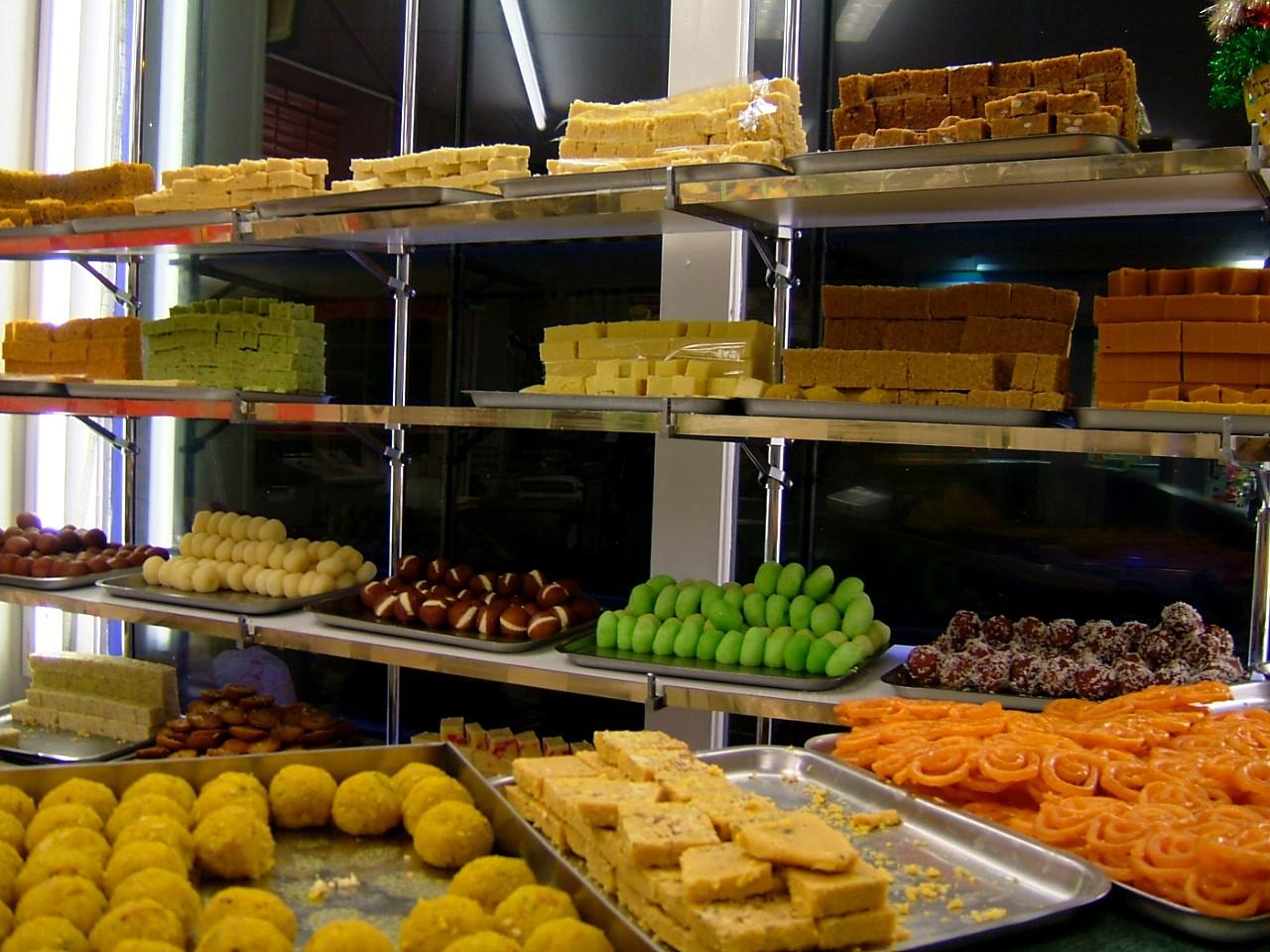
These are practical habits rather than FSSAI instructions: buy milk-based sweets from shops that keep them covered and, where they sell them, refrigerated; ask when a batch was made; and look for the displayed FSSAI licence, which J&K eateries have been told to show (see our report on the licence-display rule).