Next time you are standing at a counter in Gandhi Nagar or a dhaba on the bypass, look at the wall. There is now supposed to be something on it.
On 18 August 2026, J&K's Food and Drug Administration issued a directive to food businesses across the Union Territory - hotels, restaurants, cafes, dhabas, sweet shops, bakeries and caterers - requiring them to display a Food Safety Information Board and to stop describing meat dishes in vague terms. It is a small-print change that happens to be unusually easy for an ordinary customer to check.
The three things that must now be on display
A Food Safety Information Board, put up at what the directive calls a prominent and conspicuous location - not tucked behind the till. It must carry the establishment's FSSAI licence number and customer care details.
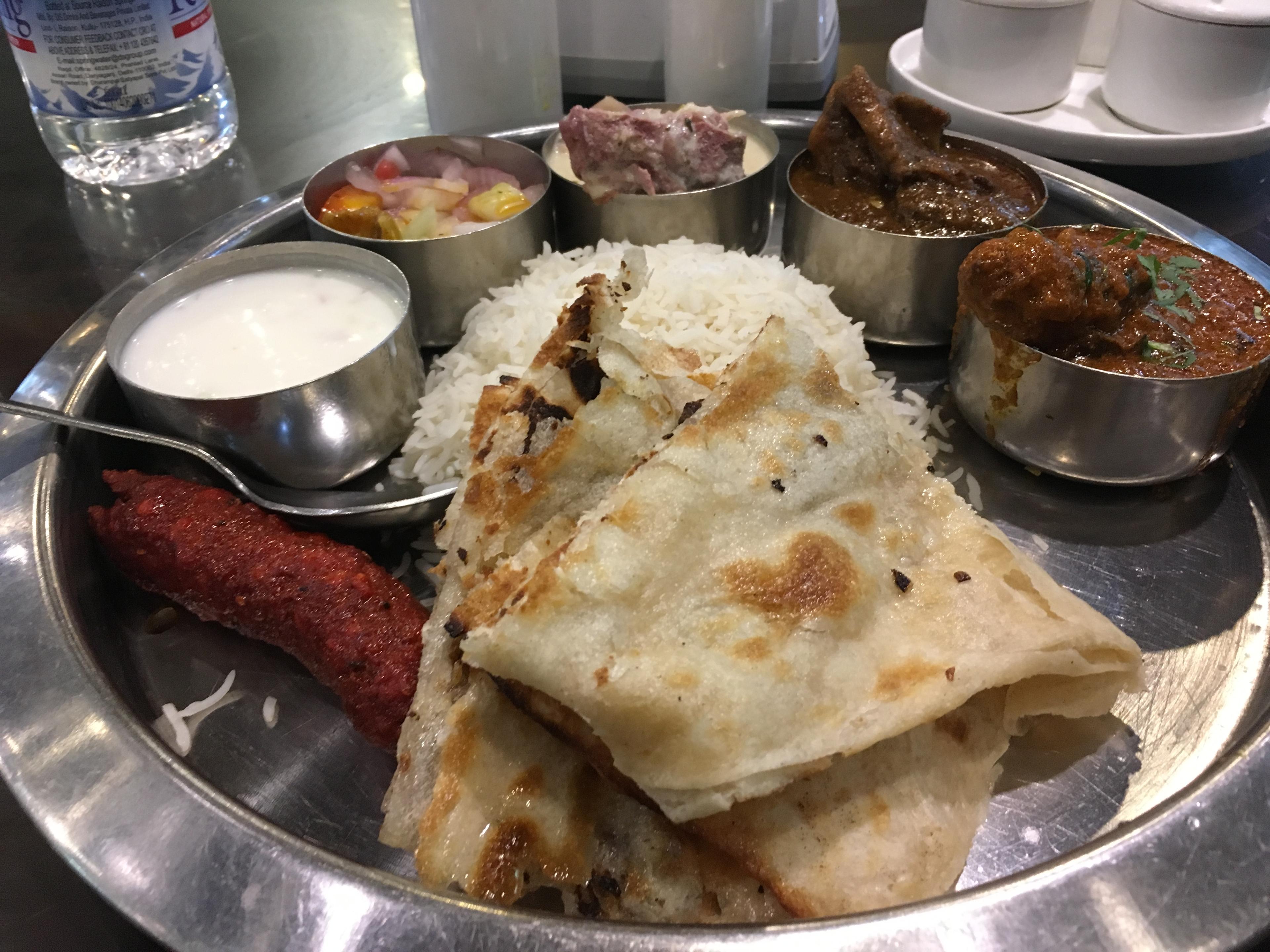
The actual name of the meat. Menu cards and display counters must specify mutton, beef, chicken, fish and so on. Generic descriptions such as "Meat Curry" or simply "Non-Vegetarian" are prohibited.
What it was cooked in. Establishments must display separate lists of items prepared with ghee, edible oil, vanaspati and other fats.
Enforcement sits with Designated Officers and Food Safety Officers under the Food Safety and Standards Act, 2006 and the Rules of 2011.
Why this is worth two minutes of your attention
Because the three requirements map almost exactly onto the three things young people eating out actually get caught by.
The licence number is the one that matters most and gets noticed least. An FSSAI number on the wall means the place is registered and inspectable. No number is not a technicality - it is the single fastest signal that nobody official has looked at that kitchen.
The meat-naming rule is about knowing what you ordered. "Meat Curry" on a board is a description that tells you nothing, and in a UT where people's dietary rules, budgets and allergies all differ, that ambiguity is doing real work for the seller and none for the buyer.
The fats disclosure is the quiet one. Whether something was fried in ghee, refined oil or vanaspati is a genuine health difference over a semester of eating out, and it is information that has essentially never been available at the counter.
Licence or registration - and why the difference shows
One thing worth knowing before you go looking at walls: not every food business holds the same paperwork. Under the Food Safety and Standards Act, the smallest operators - a single cart, a very small shop below the turnover threshold - hold a registration, while larger establishments hold a licence. Both produce an FSSAI number, and both are meant to be on display.
So the test at the counter is not whether the place looks big enough to be regulated. It is simply whether a number is on show. A busy restaurant in a prime market with no number displayed is a more meaningful red flag than a small stall that has one.
This also explains why the directive names such a wide spread of businesses - hotels, restaurants, cafes, dhabas, sweet shops, bakeries and caterers alike. Sweet shops and bakeries are on that list for a reason: they sit outside the mental category of "eating out", but they are exactly where the FDA's sampling has been concentrated.
What the enforcement actually looks like
The directive did not come out of nowhere. Earlier the same month, on 4 August, the FDA ran a special enforcement drive across the UT: 106 inspections and 152 food samples collected - 66 sweets, 71 prepared food items (mainly meat and meat products) and 15 other commodities. The districts covered included Jammu, Kathua, Udhampur, Poonch and Rajouri, alongside Kashmir-division districts. Samples went to NABL-accredited laboratories.
Those numbers tell you the direction of travel. Prepared meat was the single largest sampling category, and the labelling directive followed a fortnight later.
Your checklist, walking in
Is there a Food Safety Information Board visible from where you order?
Does it show an FSSAI licence number?
Does the menu name the specific meat, or does it say "non-veg"?
Is there a list of what is cooked in ghee, oil or vanaspati?
Is the customer care contact actually legible?
If a place ignores all of it
Two routes, both official:
The national food safety helpline, toll-free 104
Email the Commissioner Food Safety, J&K: cfsjandk.fnd@jk.gov.in
Note the licence number from the board when you complain if there is one; it makes the complaint far easier to act on. If there is no board at all, that absence is itself the thing to report.
What hasn't been said
Being straight about the gaps: none of the reports on the directive state a compliance deadline, and none state a penalty amount for establishments that don't comply. So there is no date after which you can expect every board in the city to be up, and no fine figure to quote at anyone.
What there is, is a stated rule and a working complaint channel. In practice that is usually how these things move - not on the deadline, but on how many people notice the wall is blank.

%2Fgreater-kashmir%2Fmedia%2Fmedia_files%2F2026%2F06%2F27%2Fgmc-jammu-2026-06-27-05-46-24.jpg&w=3840&q=75)