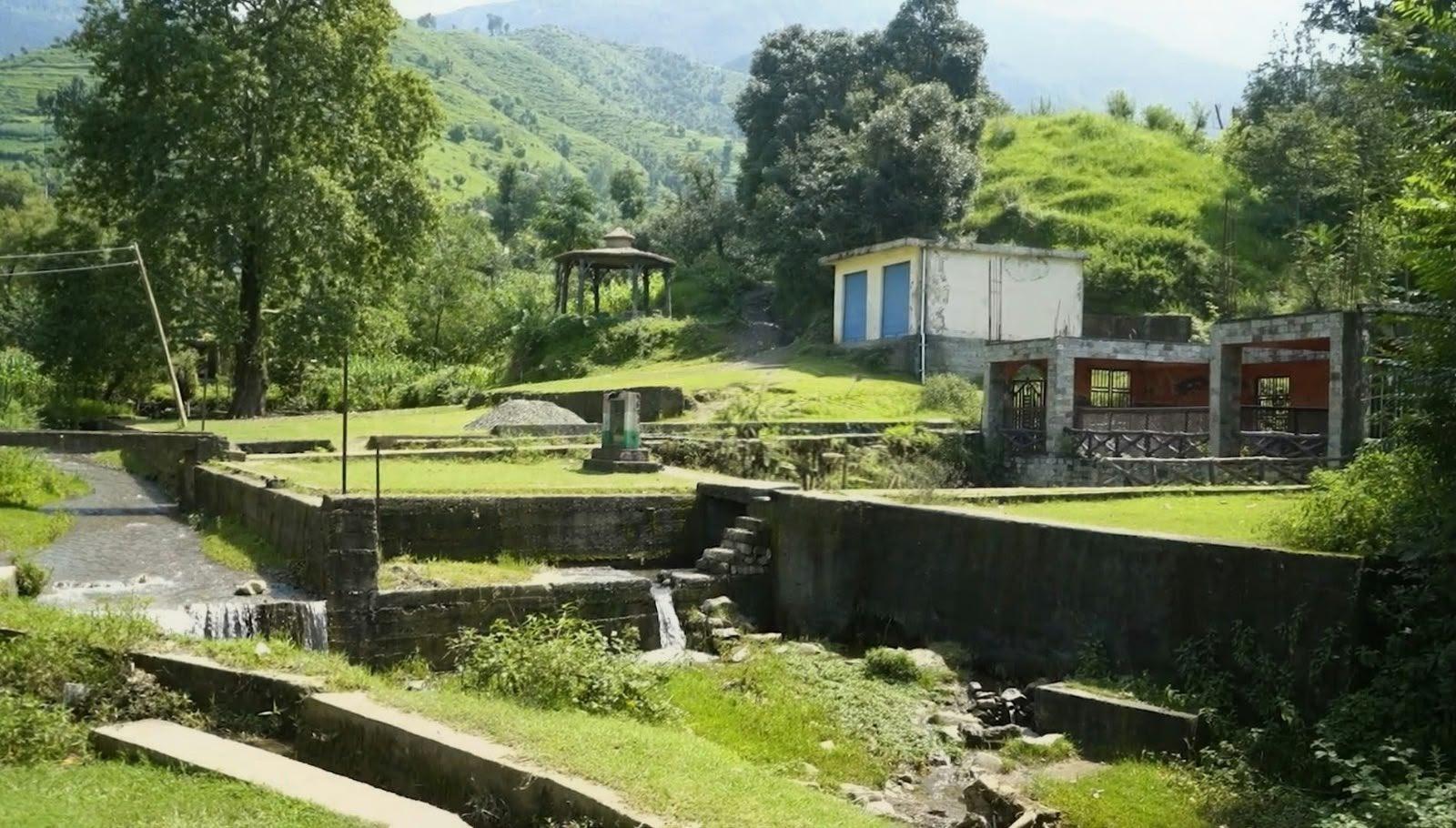
Rajouri's centuries-old Lah Wali Bowli — a stepped well that has served the town's water needs for generations — has been approved for a ₹5.78 crore restoration by the J&K government. It's the latest in a run of individual, cabinet-approved heritage grants across the UT this year. Jammu district, so far, hasn't had one.
How does a site get chosen?
There's no public application form for this kind of funding. Under the Omar Abdullah government's ongoing "Heritage Promotion and Cultural Tourism" push — administered through the state's Department of Archives, Archaeology and Museums, which currently protects 54 monuments UT-wide — individual sites are nominated departmentally and go to cabinet for one-off sanction. It's a pattern, not (yet) a formal pipeline:
₹10 crore — Rattan Garh Fort, Bhaderwah (Doda)
₹13.75 crore — split across Purmandal (Samba) and Imambara Zadibal (Srinagar)
₹16.36 crore — Jamia Masjid Sharief (Shopian) and Sarvadhar Chaumanda Mata Mandir (Ramban)
₹6.05 crore — Jama Masjid, Shopian
₹10.31 crore — a temple restoration in Ramban
₹5.78 crore — Lah Wali Bowli, Rajouri
The government has reportedly been discussing formalising this into a dedicated "J&K Heritage Conservation and Preservation Authority." If that happens, it would replace the current case-by-case cabinet approvals with something closer to a real process — worth watching if you care about a specific site getting its turn.
Does Jammu district have anything like this?
Jammu district's six state-protected monuments — Bahu Fort, Pirmitha Tomb, Mast Garh Shahi Masjid, Salal Fort, Jasrota Fort and Mubarak Mandi — don't include a single baoli or bowli. That doesn't mean Jammu district doesn't have any.
INTACH's Jammu chapter has documented stepwells, ponds ("pacca talabs"), bowlies, resting shelters and abandoned sarais strung along the old, largely-disused pilgrim route to Vaishno Devi — the one that ran through Jagti–Nagrota, Marh and Drabi before crossing into Reasi district near Bamyal/Chhapanoo. A baoli near the Oli Temple in that same Bamyal/Chhapanoo belt has already been restored, with INTACH backing — proof the type of structure exists here and can be brought back, even if it isn't formally protected.
What it would actually take
To be direct about where this stands: none of this is in the government's nomination pipeline the way Lah Wali Bowli was. What exists is INTACH documentation and old pilgrim-route reporting, not an active cabinet proposal. For a Jammu district baoli to get its own Rs-crore restoration, it would first need what Rattan Garh Fort and Lah Wali Bowli already have — formal recognition, or at least a documented nomination pushed by local heritage advocates or the district administration. If you know of a Jammu-district stepwell or heritage water structure worth that push, this is the gap it's competing to fill.
Sources: Daily Excelsior; comparative approvals reported by JK Monitor, The Earth News and KashmirPEN; heritage-route documentation from INTACH Jammu chapter (architecturalheritage.intach.org).
%2Fgreater-kashmir%2Fmedia%2Fmedia_files%2F2026%2F06%2F27%2Fgmc-jammu-2026-06-27-05-46-24.jpg&w=3840&q=75)