Two numbers about the same scholarship scheme have been reported in recent weeks, and they do not match. A report datelined 12 October says the Prime Minister's Special Scholarship Scheme (PMSSS) has allotted 4,715 scholarships for 2026-27, up from 3,585 in 2025-26 (Kashmir Reader, 13 October 2026). On 25 September, a Higher Education Department reply in the Legislative Assembly put PMSSS beneficiaries from J&K at 13,794 for 2026-27 and 14,411 for 2025-26 (Kashmir Life). A student reading both could fairly ask which one is real.
What each report says
- The October report: 4,715 of a 5,000 target allotted in 2026-27 (94.3%): 1,894 in general degree courses, 2,741 in professional courses and 80 in medical and BDS courses. Earlier sessions: 3,627 (2023-24), 3,674 (2024-25) and 3,585 (2025-26). The provision covers J&K and Ladakh students going to institutions outside the two UTs through AICTE counselling.
- The Assembly reply: 42,731 J&K students benefited over three years: 14,526 in 2024-25, 14,411 in 2025-26 and 13,794 in 2026-27. By region, Jammu accounted for 9,928, 10,690 and 10,205; Kashmir for 4,598, 3,721 and 3,589.
Why they may differ, and what we do not know
Neither report explains the gap. One reading that fits the numbers is that the 3,000-to-5,000 figure counts scholarships allotted in a session, while the larger figure counts all students receiving the scholarship that year, including those in later years of a multi-year course. That is our inference, not something either source states, and the departments have not said so. What can be said plainly is that the figures cannot be compared with each other without knowing what each one counts, and that no document we found defines the term.
The regional split is a separate point. In the Assembly reply, Jammu's share of beneficiaries is about 74% in 2026-27 (10,205 of 13,794, our arithmetic). The reply does not say whether that reflects applications, eligibility or allotment.
Why this matters to a young reader in Jammu
PMSSS decides whether a student from J&K can afford to study outside the UT. Choosing a course, a counselling date or a backup plan depends on how many seats really exist and how competitive they are. A headline that says "94.3% of target achieved" tells a family very little unless it says target of what, counted how, and what happens to the remaining 285. The report does not say when the session closes or whether those slots will be filled.
The same Assembly reply carries other figures worth knowing. Under the National Scholarship for Post Graduate Studies, 803 students were recorded in 2023-24, 766 in 2024-25 and 455 in 2025-26, with 2026-27 applications still being processed. It also says internships of two to four credits are mandatory in the four-year undergraduate programme, and that institutions are being onboarded onto the National Apprenticeship Training Scheme and the AICTE Internship Portal.
What to do
- Ask a facilitation centre which count applies to the number you are given: new allotments this session, or all students on the scheme.
- Check dates and conditions for any remaining PMSSS slots with a facilitation centre before assuming a deadline.
- Treat percentages of a target as progress, not as your chance of getting a seat.
What to watch
The fix is cheap: when the department publishes a scholarship figure, it should say what is counted, for which years and which regions. Until it does, readers should hold both numbers lightly.
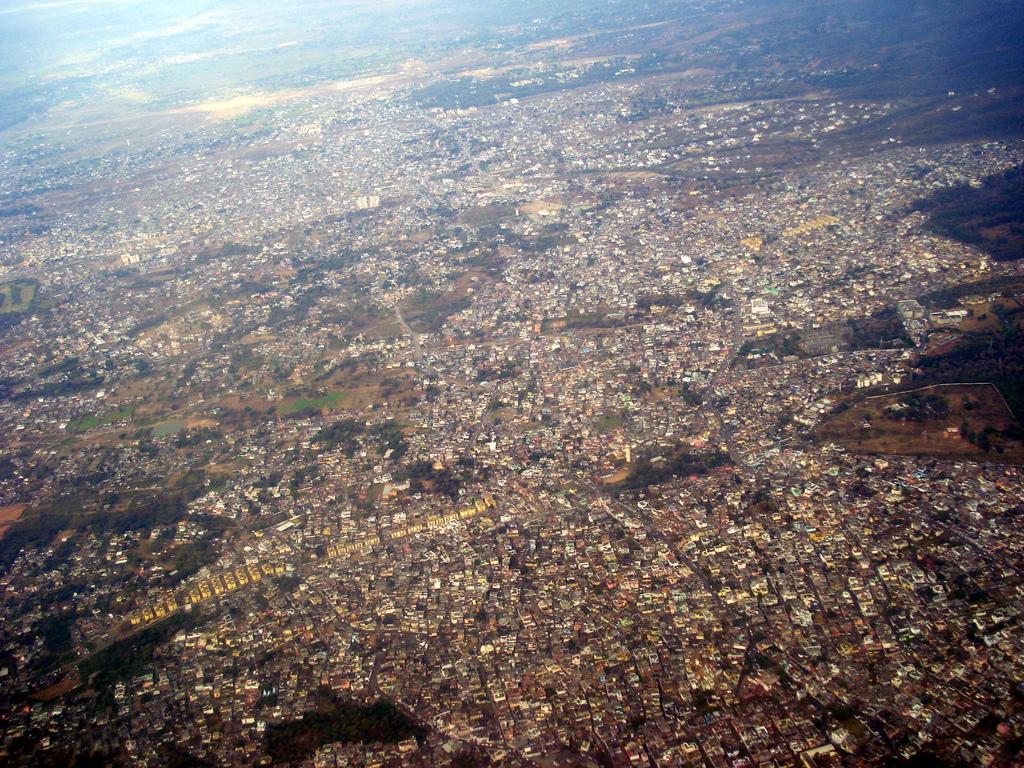
Sources: Kashmir Reader, 13 October 2026; Kashmir Life reporting the Higher Education Department's Assembly reply. Photo: file photo of Jammu city and the Tawi river, Paul La Porte / Wikimedia Commons (CC BY-SA 3.0).