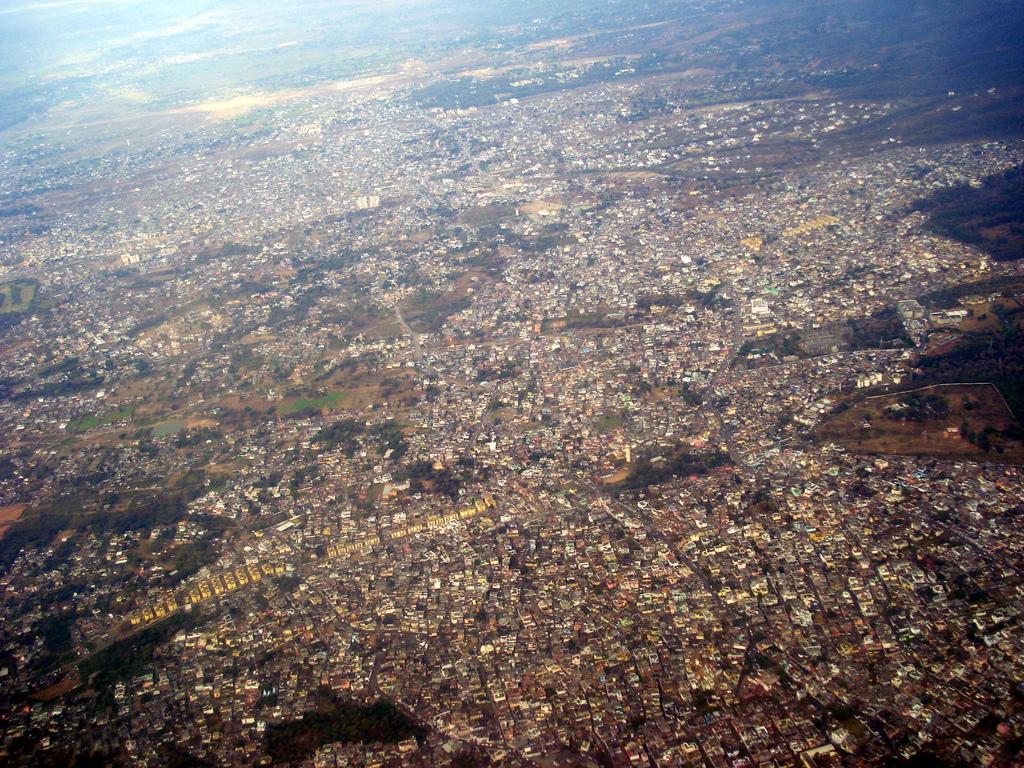
About 1,200 dengue cases have been reported across J&K so far this year, according to Northlines on October 13, well below recent years. But one district is the exception: Doda, traditionally low-risk, has recorded more than 190 lab-confirmed cases needing hospitalisation at GMC Doda. (File photo of Jammu city.)
The numbers in context
- 2022: 8,269 cases and 18 deaths
- 2023: 6,403
- 2024: about 7,000
- 2025: about 3,000
- 2026 so far: about 1,200
Dengue was rare a decade ago; the report notes two cases in 2009 and none in 2010. No separate figures for the Jammu division were given.
What officials are doing
A five-member team from ICMR-NIV, Pune, visited Doda, examined patients, reviewed reports, toured hotspots and collected samples to study the circulating viral strains; findings go to J&K health authorities. Dr Qaiser Farooq Dar, Officer-in-Charge of ICMR-NIV North Zone, said Doda's lab-confirmed cases have risen sharply compared with past trends. Doda's Chief Medical Officer, Dr Vinod Sharma, said the department is working with civic bodies. GMC Jammu said platelet stocks and hospital arrangements are in place.
Warning signs, in plain words
Symptoms usually appear 4 to 10 days after a bite and last 3 to 7 days: high fever, headache, pain behind the eyes, body and joint aches, nausea, rash and weakness. Seek care immediately for severe abdominal pain, persistent vomiting, bleeding, trouble breathing or unusual restlessness. Do not assume you are recovering just because the fever has dropped; that period can be risky.
What you can do this week
Empty and scrub water containers, coolers and buckets so Aedes mosquitoes cannot breed, stay hydrated and get tested early. For Jammu city's own response, see JMC's 75-ward anti-dengue drive.
Source: Northlines, 13 October 2026.