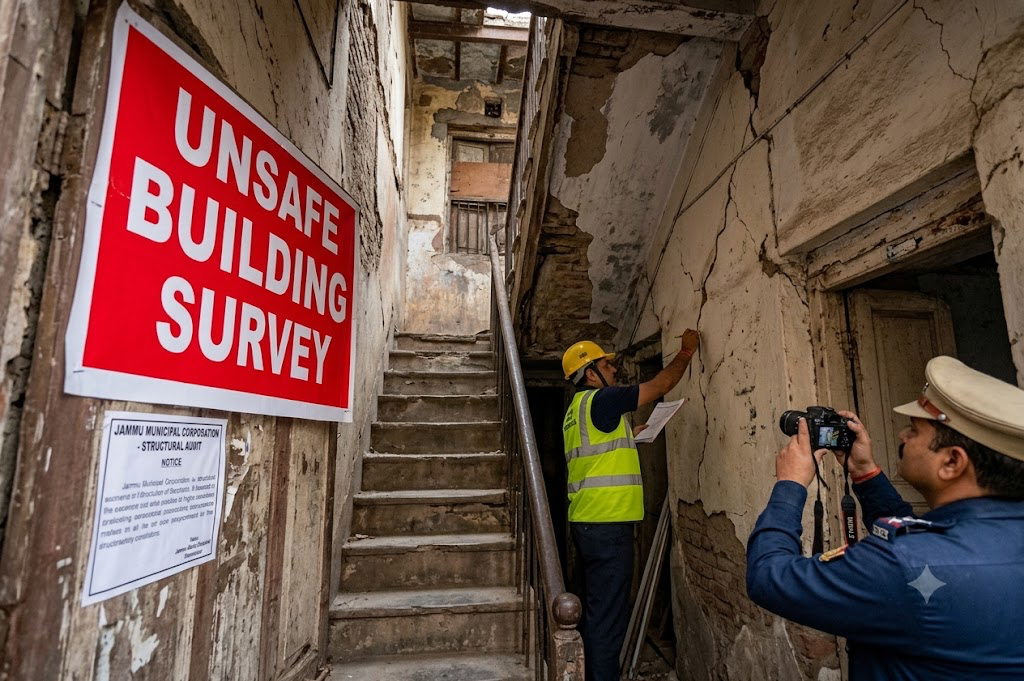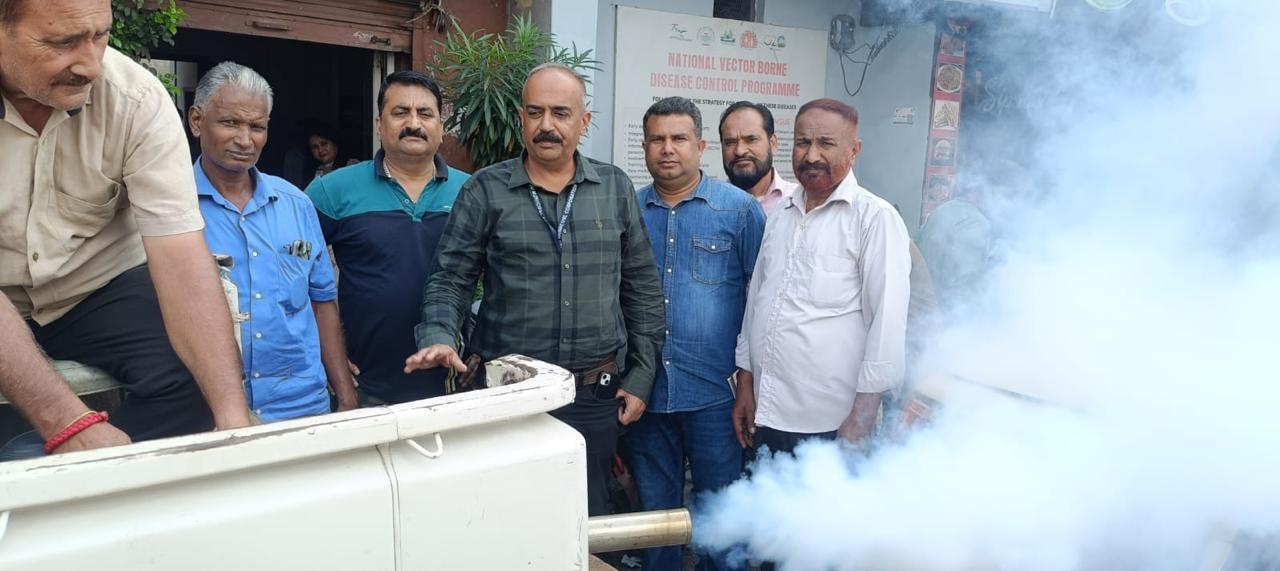
The machines you can hear after 4 PM are not a one-off. Jammu Municipal Corporation has started a city-wide anti-mosquito drive that runs from 7 August to 10 November 2026 and covers all 75 wards in phases.
Why now, and against what?
Late monsoon into early autumn is peak breeding season, and the drive targets dengue, chikungunya and malaria. All three are transmitted by mosquitoes that breed in small volumes of standing clean water rather than in drains — which is why the corporation's appeal is aimed at households rather than only at its own field teams.
What happens, and when
The drive splits into two operations at two different times of day:
- Anti-mosquito spraying — early morning hours.
- Thermal fogging — after 4:00 PM daily.
Coverage moves ward by ward rather than hitting the whole city at once, so your locality's turn will come on a rolling basis. The campaign is running on the directions of JMC Commissioner Dr Devansh Yadav and under the supervision of Health Officer Dr Shahid Hussain, in coordination with the Health Department.
What are you actually being asked to do?
One thing, mainly: get rid of standing water. The corporation has specifically flagged coolers, containers, tyres, flowerpots and drains. A cooler tray left full for a week is a more reliable mosquito nursery than anything the fogging machine will reach — fogging kills adult mosquitoes in the air, it does not empty your balcony.
Commissioner Yadav has urged residents to extend full cooperation to JMC field teams and to keep surroundings clean, noting that stagnant water provides ideal breeding conditions and raises the risk across all three diseases.
Is the fogging itself safe to be around?
For most people, yes. But the corporation has issued one specific caution: anyone with asthma or a smoke allergy should stay indoors while thermal fogging is underway in their area, with doors and windows closed. If that applies to you or someone at home, the practical version is to shut up the house before 4 PM on the days the machines are on your street.
Why this is worth two minutes of your attention
Dengue lands hardest on people whose weeks cannot absorb a fortnight in bed — which describes most students in exam season, anyone on a probation period at a first job, and anyone in a shared rental where nobody is quite sure whose job the water tank is. Hostels, PG accommodations and shared flats are also where cooler trays, buckets and unused containers pile up unattended.
Three months of fogging is the corporation doing its half. The other half costs about ten minutes and a tilted bucket.