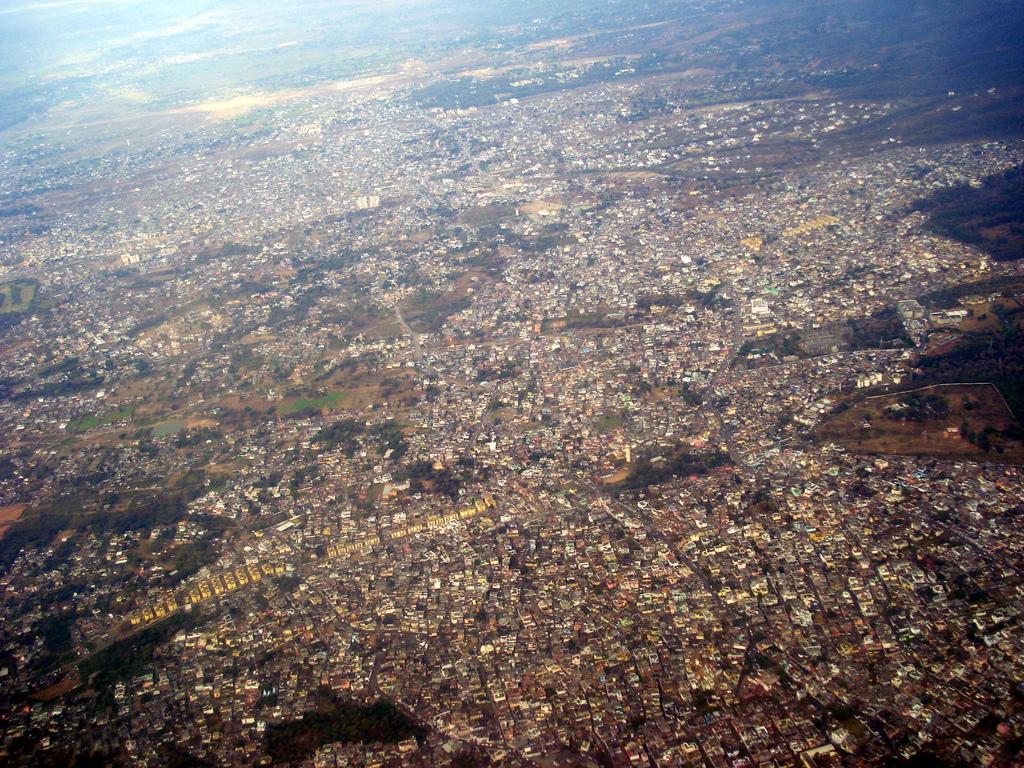
Anyone who has watched a freshly laid Jammu road get cut open for a cable, a pipe or a drain knows the problem the new Common Duct Policy 2026 is meant to address. The Jammu and Kashmir government has approved a framework for shared underground corridors that carry power, water, telecom, gas, sewerage and digital lines together, so that one trench serves many utilities instead of each digging its own.
What is a common duct?
A common duct is a shared underground channel built along a road. Instead of the electricity department, the water department and a telecom company each digging separately at different times, their lines run through one purpose-built corridor that can be opened for repairs without tearing up the carriageway.
What does the policy require?
- Common ducts must be integrated into the planning and construction of new roads, with phased retrofitting of existing infrastructure.
- A single-window mechanism for Right of Way clearances, so utilities do not queue at several offices for permission.
- Cost-sharing among utility providers. According to Greater Kashmir, utilities will pay occupancy and usage charges.
- Digital mapping of underground assets, including a 'Call Before You Dig' platform so that excavators can check what lies beneath before they start.
Where does Jammu come in?
Greater Kashmir reports that Jammu and Srinagar will host pilot projects to test technical feasibility, coordination needs and cost before any wider rollout. Which roads or stretches will be piloted in Jammu has not been announced yet. Greater Kashmir also reports a seven-year implementation plan, starting with surveys and technical standards and moving to pilots and phased retrofitting, with the Chief Secretary heading an implementation committee.
What the government says
Chief Minister Omar Abdullah called it a major step towards modernising urban infrastructure. The stated aims are to prevent repeated digging of roads, protect public infrastructure, lower operation and maintenance costs of utility networks, reduce the clutter of overhead lines and improve digital connectivity.
What is not yet clear
No budget figure, pilot locations or start dates for Jammu have been announced yet. Outlets also differ on dates: Greater Kashmir reports the Housing and Urban Development Department order (Government Order No. 199-JK(HUD) of 2026) as dated September 22, following a Council of Ministers decision on September 10, while other reports carried the announcement on October 5. No separate response from utility companies or contractors was found in the coverage reviewed.
Why it matters to young Jammu
Dug-up roads affect every commute to college, coaching centre or workplace, and reliable digital connectivity matters to anyone studying, freelancing or working online. The policy will only change that if pilots turn into real corridors, so the thing to watch is which Jammu stretches are chosen first.
Sources: Greater Kashmir; Rising Kashmir; Kashmir Life; Greater Kashmir (CM statement).