Two things happened in J&K's education system this week, a few days apart and in different corridors. Neither will change a bill by itself. Together they say something useful about what a family in Jammu is entitled to ask for.
What was actually said and asked
On October 13, according to Greater Kashmir, the Higher Education Department wrote to the Registrars of nine universities, among them Jammu University, Central University of Jammu, Cluster University Jammu and Shri Mata Vaishno Devi University. It asked for audited accounts for the preceding five years, complete fee structures, the procedure for admission to every course, details of teaching and non-teaching staff and how they were recruited. The trigger was a Supreme Court proceeding dated September 17, 2026, in Writ Petition (Civil) No. 531 of 2025, Ayesha Jain versus Amity University, Noida, and others, which directed States and Union Territories to collect specified information from universities and place it before the Court. The report describes a Kashmir University circular passing the request down to its offices, with grievance-redressal data for the last three years on the list.
On October 14, Education Minister Sakina Itoo said at a meeting she convened with officials, the private schools association and parents' bodies that parents may buy books from any seller they choose. On October 17, in Banihal, Northlines reports her as saying: "No school can compel parents to buy these items from a specific shop." She asked parents to report pressure to the concerned Directors, the Education Department Secretary or her, and a committee has been formed to monitor private-school practices.
What neither order tells you
It is worth being plain about the gaps. The university request is a data-collection exercise for a court; the reports do not say the data will be published, nor how Jammu's universities have responded. The school statement names no penalty, no complaint form, no helpline and no deadline. The private schools association attended the October 14 meeting, but neither report carries its position, and we have not reached it, so this piece cannot say what the schools' side of the argument is. A department official did tell Greater Kashmir that schools were questioned on prescribing five to six textbooks at kindergarten level, which the foundational-stage framework discourages, and that the minister allowed extra books if they truly add to learning. Whether any of this changes practice in a given school is not yet known.
The common thread is records
What links the two is not politics but paperwork. A university fee is made of heads: tuition, development fund, special-event fund. A school bill is made of a book list and a uniform source. In both cases, the family usually sees only the total. The Supreme Court's questions and the minister's remarks are both, in effect, asking an institution to put its charges in writing and be able to justify them.
That is an argument about how things should work, and JammuBeat's reading of it is deliberately limited: we take no side on whether the requests go far enough, whether the committee will be effective, or whether any particular school or university is doing anything wrong. Nothing reported this week alleges that any named Jammu institution has. The reports describe requests for information and a statement of the rule.
What a family can do now
- Ask for the fee structure in writing before you pay, head by head. If a university is already collecting this for the Court, it exists on paper.
- Keep the school's written book list and receipts. Greater Kashmir reports that JKBOSE has made its textbooks mandatory for private schools, by a circular issued under powers the J&K Board of School Education Act, 1975 gives it; a list that departs from that, or a shop you are told to use, is something to compare.
- If you are told to buy from one shop, the minister has said to report it to the concerned Director, the Secretary of the Education Department or her office. Note the date and who said it.
- For a Class 1, 2, 3 or 6 child, ask which edition is prescribed: JKBOSE has said revised NEP-2020 books are coming for those classes, with free distribution to government schools starting in the first week of November. See our report: Free Textbooks Reach J&K Government Schools in the First Week of November.
What to watch
Three things would turn this week's statements into something a family can use: a published complaint route with a deadline for action, any public summary of what universities report back about fees, and the schools' own account of how prescribed lists are set. None has been announced. Until one is, the practical advice above is about keeping your own record, which costs nothing and helps in any process that follows.
The Supreme Court request is covered in detail here: Supreme Court Wants Universities’ Fee, Admission and Staff Records.
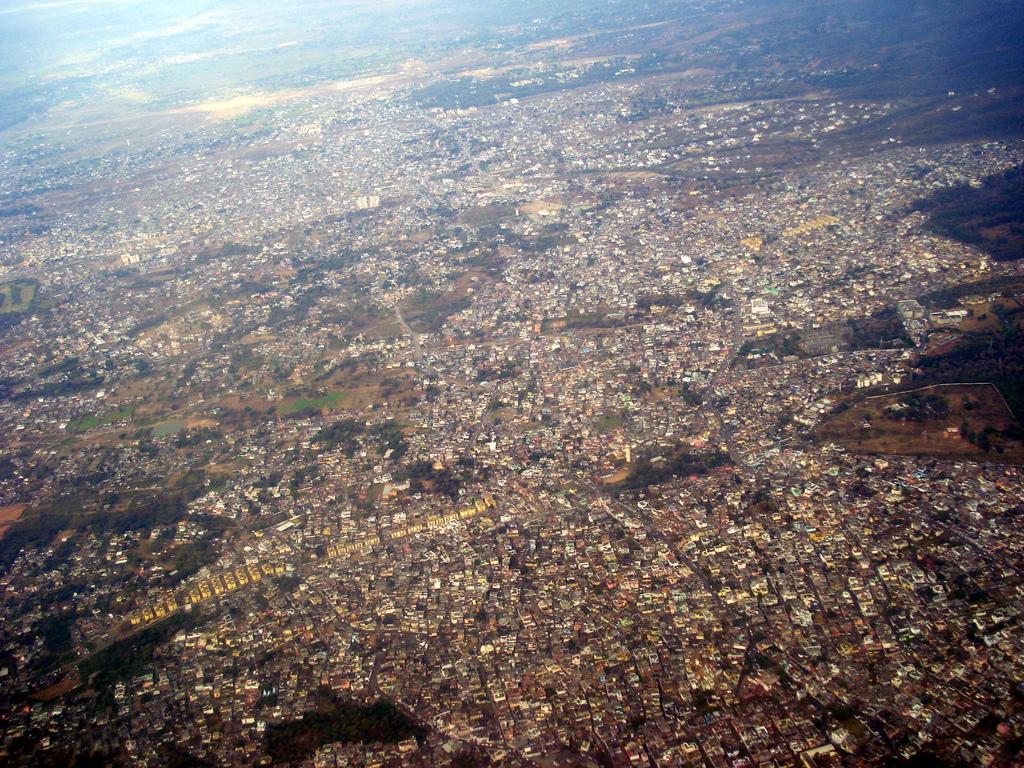
Sources: Greater Kashmir, Oct 14, 2026 (HED request to universities); Greater Kashmir, Oct 15, 2026 (minister and committee); Northlines, Oct 17, 2026; Greater Kashmir, Oct 16, 2026 (textbooks). Photo: file photo of the Central University of Jammu campus, Samba, by Sachinbauriyan, CC BY-SA 4.0, via Wikimedia Commons. One of the nine universities named in the request.