Five lakh rupees per room. Thirty lakh per property. That is what J&K Bank will lend against turning a family house into a registered homestay under the renewed Homestay Policy cleared on 14 August.
For a lot of young people in the Jammu belt, this is the rare scheme where the main asset is one the family already owns.
What counts as a homestay
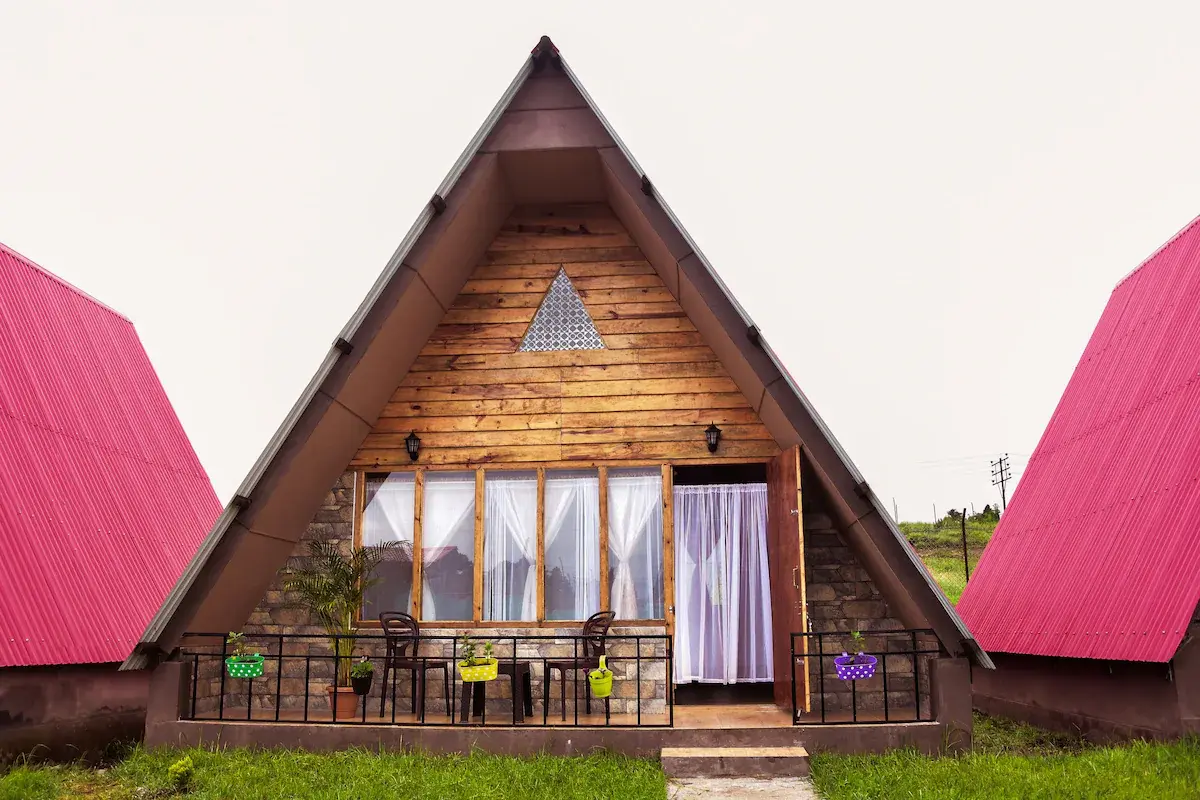
The policy defines it tightly: a residential property where the owner and family live on the premises, with a minimum of one and a maximum of six guest rooms, meeting set standards for safety, hygiene, water supply and electricity.
That resident-owner rule is the whole character of the scheme. It keeps hoteliers out and makes this something a household runs, rather than an investment someone parks money in.
The new bit: Bed & Breakfast
The renewed policy adds a Bed & Breakfast model that lets secondary residential properties register — a house the family owns but does not live in. Plenty of families in Udhampur, Kud, Batote and the villages above Katra have exactly that: a second house standing mostly empty.
How registration works
It is online, through the J&K Tourism portal — property details, photographs, documents.
Upload the full checklist and you get provisional registration in the Silver category for six months.
Gold is the higher-compliance grade, assigned against the stipulated standards.
If the department does not complete verification within 15 days, registration is deemed approved automatically.
That last clause is worth underlining. A deemed-approval rule shifts the cost of a slow file from you to the department, which is not how most schemes here work.
The numbers around it
J&K currently has 2,802 registered homestay units with 20,514 beds. The government is also pushing digital integration and geotagging so registered units actually turn up when someone searches, plus capacity-building on hygiene, safety and hospitality standards.
Running alongside is the "Crown of Incredible India" homestay initiative under Mission YUVA, in partnership with OYO — the distribution end of the same idea, which we covered when the tourist village network was announced.
Before you get excited
Two honest caveats. A ₹30 lakh loan is a loan — it is repaid whether or not the rooms fill, and occupancy in the belt is seasonal and weather-dependent, as this monsoon has been demonstrating. And the standards are real conditions, not paperwork: safety, hygiene, water and power have to actually be there.
The meeting was chaired by Chief Secretary Atal Dulloo, with details presented by ACS Tourism Dr Ashish Chandra Verma. Start at the J&K Tourism portal and read the checklist before you talk to anyone about a loan.
Sources: Rising Kashmir — J&K to expand homestay tourism; Kashmir Pen — Homestay Policy a bedrock to boost sustainable tourism in J&K.