Ladakh has just about matched its entire 2025 tourist tally in seven months — 3,30,332 visitors between January and July 2026, against 3,35,872 for all of last year, according to figures a Lok Bhavan spokesperson shared last week. It's a headline about a different Union Territory, but the underlying story — a tourism sector growing faster than most other sectors of the local economy — is just as true closer to home.
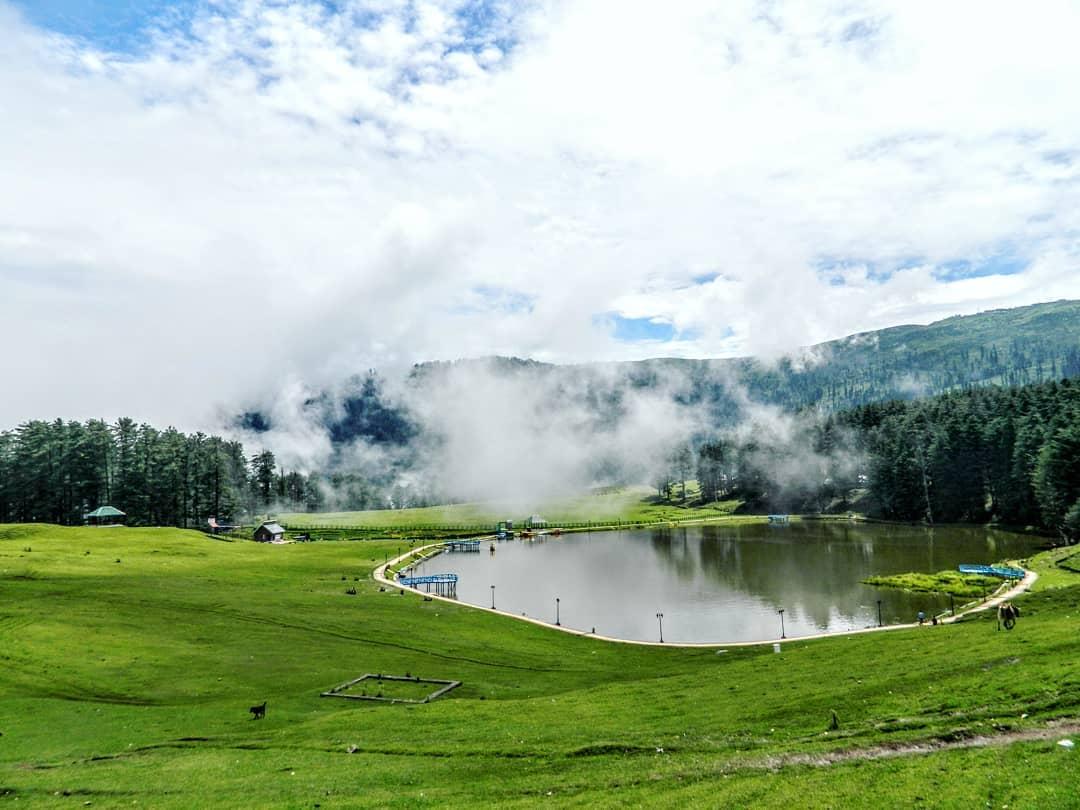
Jammu division alone recorded 1,62,35,036 tourist arrivals in 2025, the Tourism Department told the J&K Assembly in February — down slightly from 2,00,91,379 the year before, but still more than the entire population of the Union Territory passing through in a single year. Shri Mata Vaishno Devi/Katra alone drew 69,32,922 pilgrims, with Patnitop (8,39,937), Shiv Khori (10,56,805) and Bhaderwah (5,49,291) rounding out the division's other major draws.
Where the government is actually putting money
The numbers matter less than what's being built around them. Under Mission Youth's Tourist Village Network, the J&K government has identified more than 75 villages across the Union Territory — picked for scenic beauty, landscape and cultural heritage — for a homestay push, and it has partnered with OYO to bring these homes onto a bookable, tech-enabled platform under the 'Crown of Incredible India' initiative. The goal, on paper, is straightforward: convert villages currently outside the tourist map into destinations with their own direct and indirect employment.
That's the opening for young residents in and around Jammu's own tourism belt — Patnitop, Sanasar, Bhaderwah, the Chenab valley towns, and the villages ringing the Vaishno Devi and Shiv Khori pilgrim routes — where footfall already exists but organised accommodation, food and local experiences often don't.
The schemes that can fund a first venture
Tourist Village homestays (Mission Youth): support to refurbish and list a home as a homestay through the OYO tie-up, aimed at residents of the identified villages.
TEJASWINI: aimed at women entrepreneurs — up to ₹5 lakh in loans through J&K Bank, with Mission Youth covering a subsidy of ₹50,000 or 10% of project cost, useful for a homestay, catering or craft-retail venture aimed at tourists.
MUMKIN: a transport-sector scheme offering a subsidy of ₹80,000 (or 10% of the on-road vehicle price) with 100% loan coverage — relevant for anyone eyeing a taxi, tempo-traveller or local-tour service on the Katra, Patnitop or Bhaderwah routes.
None of these require a background in hospitality. What they require is a village or route with real footfall, a plan for what a visitor would actually pay for — a bed, a meal, a ride, a guided walk — and the paperwork to apply through Mission Youth's local coordinators or J&K Bank branches.
Why this is worth acting on now
Tourism in Jammu division has been treated mostly as an infrastructure and pilgrimage story — new ropeways, better roads, shrine-board crowd management. The Mission Youth push is the first serious attempt to turn that footfall into a livelihood pipeline for the people living along the route, rather than only the hotels and transport operators already established there. Combined with the wider entrepreneurship scaffolding JammuBeat has covered — Mission YUVA's jobs and startup map and the Unity Malls craft hub aimed at first-time makers — tourism is quietly becoming one more track a young resident can build on, not just a summer job at someone else's hotel.
Sources: Daily Excelsior, Early Times (J&K Assembly tourism figures), Brighter Kashmir (Mission Youth scheme details).