Behind a week of flood headlines, the Jammu and Kashmir government cleared a project that could reshape where young makers in the city sell their work. On 22 July, the government approved two Unity Malls at a combined cost of ₹255 crore — one in Jammu and one in Srinagar — conceived as dedicated marketplaces for local artisans, handicrafts and homegrown entrepreneurs. For a generation of Jammu students and early-career creators eyeing self-employment, it's worth understanding exactly what this is.
What a Unity Mall actually is
The malls come under the PM Ekta Mall scheme, announced in the Union Budget 2023-24, which funds every state and UT to build a large retail-and-exhibition complex showcasing its own products. Think of it less as a shopping mall in the multiplex-and-food-court sense and more as a permanent, professionally-run bazaar built around one idea: putting a region's craftspeople and small producers under one high-footfall roof.
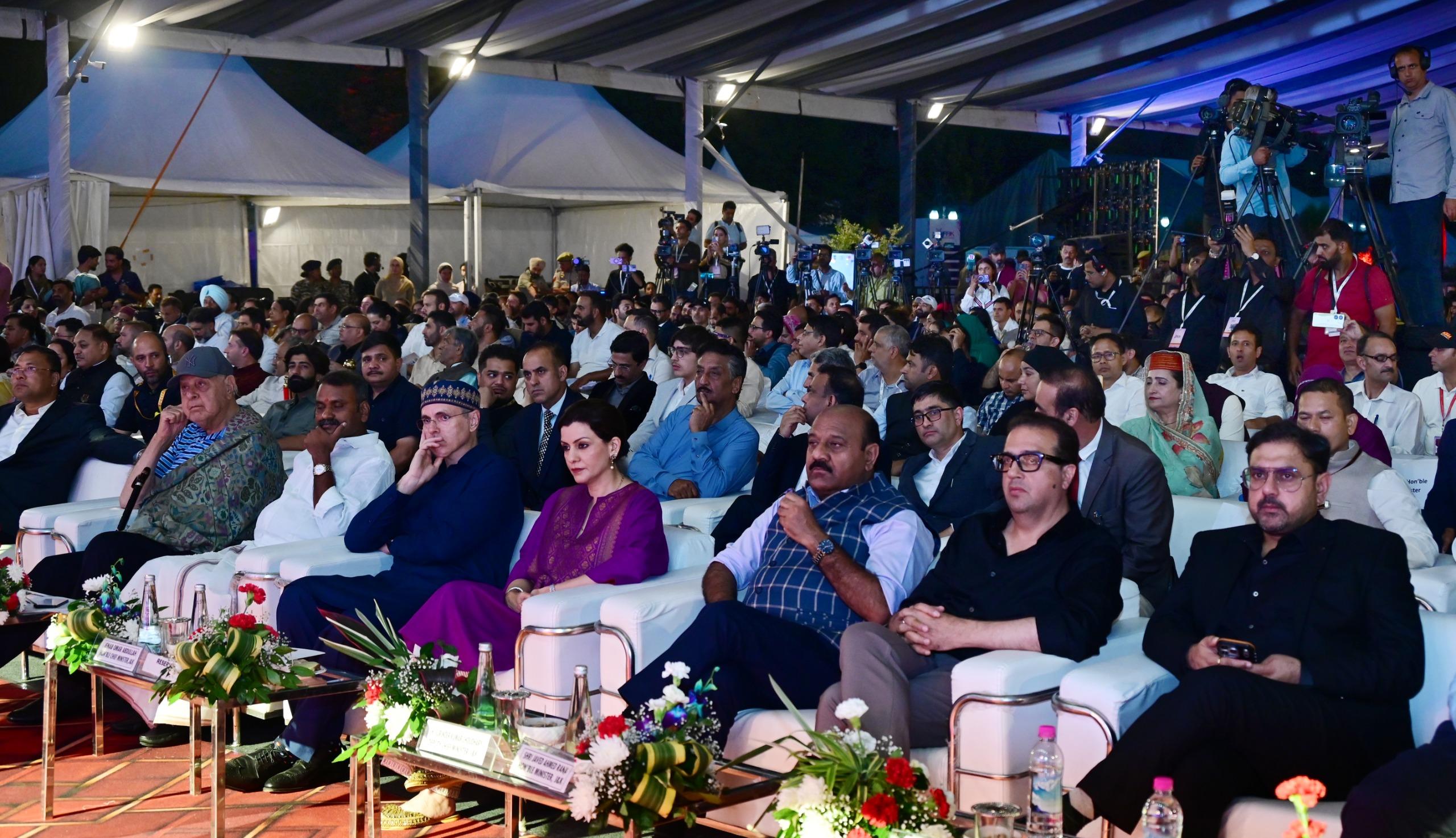
Announcing the approval, Chief Minister Omar Abdullah said the projects will provide a dedicated platform for local artisans, handloom and handicraft products, GI-tagged goods and regional entrepreneurs, while creating vibrant commercial spaces that promote tourism, trade and employment.
The three things it will house
GI-tagged goods. Jammu and Kashmir's Geographical Indication roll-call — Basohli paintings, Kashmir walnut wood, Pashmina, saffron, and more — gets a formal retail home where buyers know the provenance is genuine.
One District-One Product (ODOP) items. Every district's signature product gets shelf space, which matters for makers from Jammu's surrounding districts who rarely get a city-centre storefront.
Regional entrepreneurs. Beyond traditional crafts, the malls are pitched as space for regional entrepreneurs — the small-batch food brands, design labels and product startups that young people in Jammu are increasingly building.
Why young Jammu should care
For a student or a first-time founder, the single hardest problem after making something good is finding a place to sell it that isn't a once-a-year exhibition or an Instagram page fighting the algorithm. A Unity Mall is exactly that missing piece: a permanent, footfall-heavy, tourism-linked retail floor with the government's name behind it. It lowers the barrier for a young craftsperson to go from a home workshop to an actual counter.
There's a jobs story here too. Building and then running two large commercial complexes creates work well beyond the artisans on the stalls — retail management, visual merchandising, digital cataloguing, logistics, hospitality and event coordination. Those are precisely the roles a fresh graduate or a skilling-course completer in Jammu can step into.
And for the many young people in Jammu learning a family craft — the wood-carvers, the phulkari and crewel embroiderers, the papier-mâché and Basohli artists — a GI-anchored marketplace is a signal that the traditional skill they were tempted to abandon for a desk job might actually be a viable, respected livelihood.
The bigger picture: crafts are a youth-employment story
It's easy to file “handicrafts” under heritage and move on, but in Jammu and Kashmir the craft economy is one of the largest non-farm employers of young people — embroiderers, wood-carvers, weavers, painters and the small trading and logistics ecosystem around them. The problem has never been talent or demand; it's been distribution. Makers depend on seasonal exhibitions, middlemen who take the margin, or fragile online storefronts. A permanent, GI-anchored marketplace with tourist footfall attacks exactly that bottleneck, letting a young maker keep more of what a sale is worth.
The tourism linkage is the multiplier. Jammu sits on the Vaishno Devi and Amarnath pilgrim routes and the Srinagar tourist circuit, which means a steady stream of visitors who buy souvenirs but rarely find a single trustworthy place to buy authentic, fairly-priced J&K products. Put that footfall next to verified GI and ODOP goods and you have a sales channel a solo Instagram seller simply cannot match.
How to be ready when it opens
The malls are at the approval-and-funding stage, so doors won't open tomorrow — but the window to prepare is now. If you make or plan to make a product:
Get formal. Register your craft or micro-enterprise (Udyam/MSME registration is free and online) so you're eligible for artisan cards, ODOP tie-ins and stall allotments when they're announced.
Chase the GI or the ODOP link. If your product falls under a J&K GI tag or your district's ODOP item, that's your fastest route to priority space.
Build a small, sellable catalogue. Clean photos, consistent pricing and a couple of signature products will matter far more than volume when curated marketplaces pick who gets a counter.
Learn the retail side, not just the craft. Basic pricing, GST awareness, packaging and a simple sales pitch are what turn a good product into a stall that survives. Free skilling programmes and the university incubation centres in Jammu run short modules on exactly this — use the build-out months to pick them up.
Two malls will not, on their own, fix the distance between a young Jammu maker and a paying customer. But a permanent, government-backed, tourism-linked marketplace is the most concrete piece of that puzzle the UT has put on the table in a while — and the makers who spend the build-out period getting registered, getting their GI or ODOP link sorted and getting their catalogue tight will be the ones standing at a counter on opening day. A mall is just a building until the people inside it make it matter. For young Jammu, this one is worth watching — and worth getting ready for.
Sources: Daily Excelsior; Greater Kashmir; Rising Kashmir.