2,450 megawatts available, 2,850 needed. That is the Northern Regional Power Committee's projection for Jammu and Kashmir and Ladakh at solar peak hours this October, a gap of 400 MW or 14 per cent, according to reports in Kashmir Life and Northlines. Headlines turned it into a warning. This piece argues that the number deserves neither panic nor a shrug, and that the useful response is to ask better questions of it.
First, what kind of number is this?
It is a projection of supply against demand, made on paper. It is not a notice of load-shedding, and the reports we reviewed contain no word from the J&K power utilities or the government on scheduled cuts or advisories. On non-solar peak hours the same committee shows 2,535 MW available against 2,872 MW needed, a gap of 337 MW. In short, the projected gap is real as a planning figure and unknown as an experience: whether any consumer in Jammu feels it depends on what the system does next.
We know how such gaps have been handled before. For January 2026 the same committee projected a far larger shortfall, 1,277 MW or 34.2 per cent, against a requirement of 3,737 MW, as local generation ran at 330 to 400 MW, roughly 70 per cent below normal, according to Kashmir Observer. Officials said then that the shortfall would be met through real-time exchanges and banking arrangements with neighbouring utilities. That is the standard toolkit: borrow when short, return when long. It works until a neighbour is short at the same time.
Second, why does the gap keep coming back?
The committee's own projections point to the trend rather than the month. Peak demand for 2026-27 is put at 3,813 MW, rising to 3,964 MW in 2027-28 and 4,262 MW in 2029-30, which is 449 MW above this year. Over the twelve years from 2014-15 to 2025-26, demand grew by more than 24 per cent, an additional 3,971 million units. Demand is climbing steadily while the October and winter numbers show supply that does not always climb with it. The reports do not break down why the October gap arises, and we will not guess at a cause they do not give.
What the figures do establish is that the question is structural. A system that must plan for more than 4,000 MW within three years cannot treat each month's shortfall as a one-off.
Third, what should a young Jammu resident watch?
For a student with exams, a freelancer on deadlines or a small business that employs young people, three practical questions follow.
- Will there be an advisory? The utilities, not a forecast, decide when supply is rationed. The credible signal is an official notice for your feeder or area. Until one appears, a projection is not a schedule.
- How will the gap be met? Through purchases and exchanges, through curtailment, or through new capacity? The reports leave this open, and it is the most useful thing for the utilities to say plainly in advance.
- What is the plan for the three-year slope? The demand projections are the committee's. A matching public account of supply additions would let readers judge for themselves whether the gap is closing.
None of these is a demand for a verdict. They are the questions a utility should be able to answer in a paragraph.
What is settled and what is open
- Settled: the committee's figures, as reported by Kashmir Life and Northlines, which carry the same KNO wire copy, so they are one report rather than two; the 24 per cent rise in demand over twelve years; that earlier gaps were met by exchanges and banking.
- Open: whether October's gap will be felt by consumers; how it will be bridged; what new supply is planned. No official response on these was found in the coverage reviewed.
A forecast is a conversation starter. The responsible reading of a 400 MW gap is that it is a prompt for transparency from those who run the grid, and for patience, and a plan B for exam week, from those who rely on it.
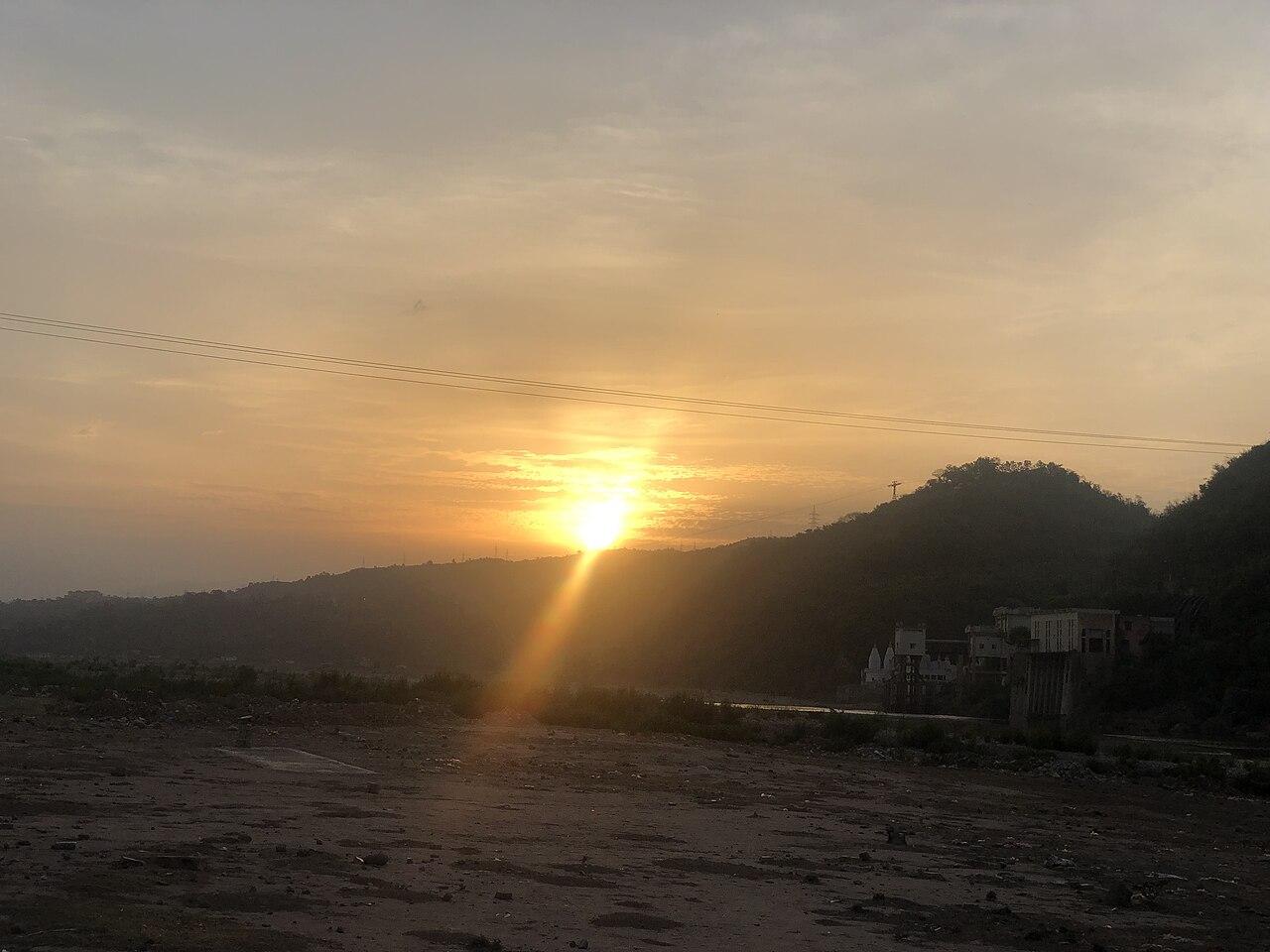
Sources: Kashmir Life; Northlines; Kashmir Observer. Photo: Baglihar Dam, Chenab River, by Gtse, Wikimedia Commons, CC BY 3.0, file photo, not from this week.