₹6.86 crore. That is what has been set aside for Uttarvehini in Samba district — a site most people in Jammu city have never made a plan around, roughly 40 kilometres from home.
₹6.50 crore goes to Basohli Fort in Kathua.
Together that is ₹13.36 crore landing on two places inside the Jammu belt, out of a ₹18.60 crore package of three heritage conservation projects the J&K government approved on 14 August. The third, ₹5.24 crore for the Nallah Soundbrari spring and a Yatri Niwas, is in Anantnag.
Why this is a follow-up, not a one-off
Four days ago we ran a piece asking a fairly pointed question. Rajouri's Lah Wali Bowli had just been cleared for ₹5.78 crore, and the pattern by then was obvious — the government has been approving crore-plus heritage restorations one site at a time, and we asked which site in the Jammu belt might be next.
This is the answer, and it came faster than expected. Before Lah Wali Bowli there was Gurudwara Charan Kamal Sahib and Rattan Garh Fort. The programme is real, it is running, and it is now working through the Jammu districts.
Basohli: the town that already had the reputation
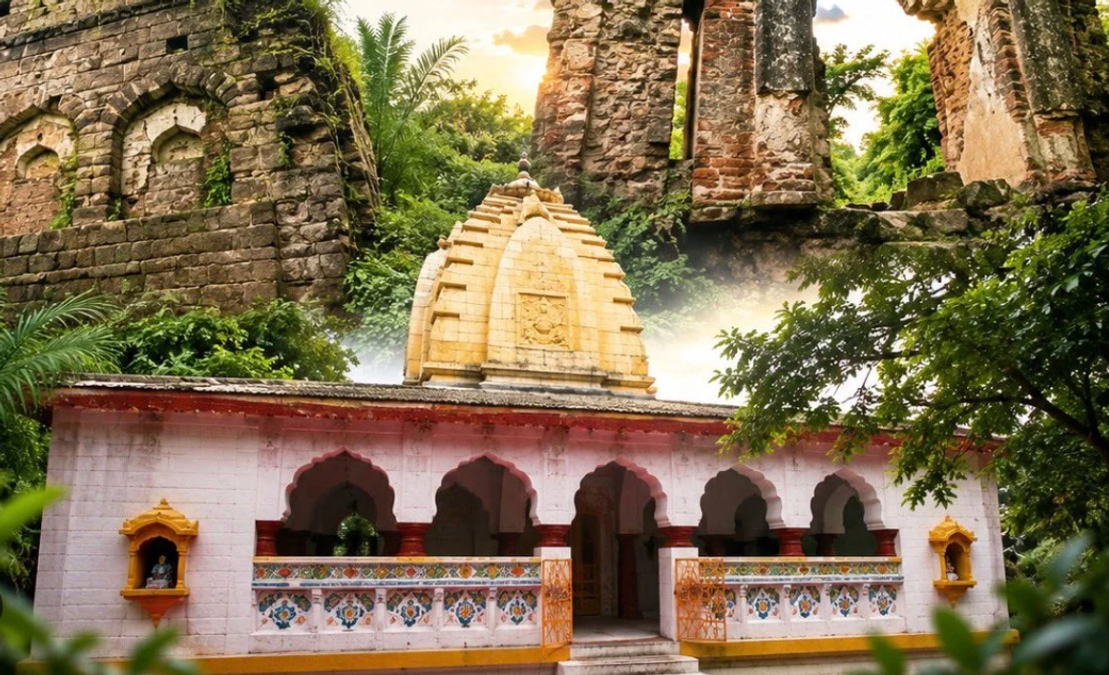
Basohli is the more familiar of the two, and it is the one where restoration money has something concrete to attach itself to. The town gives its name to Basohli painting — the jewel-bright Pahari miniature tradition that carries a GI tag, and which anyone in Jammu can see for themselves at the Dogra Art Museum without leaving the city. The fort itself is the seat of the old Basohli state, once Raja Bhupat Pal's, and it is largely ruins.
The approval covers repair, renovation and beautification. What it does not come with, at least publicly, is a timeline, a completion date or an order number, so nobody should be planning around a reopening.
Getting there is around three hours from Jammu city — and we have written the weekend up in detail before. The trip already stacks up without the fort being restored: the Atal Setu cable-stayed bridge over the Ravi, the reservoir stretch locals call Mini Goa, and the painting tradition.
Uttarvehini: the one you probably haven't heard of
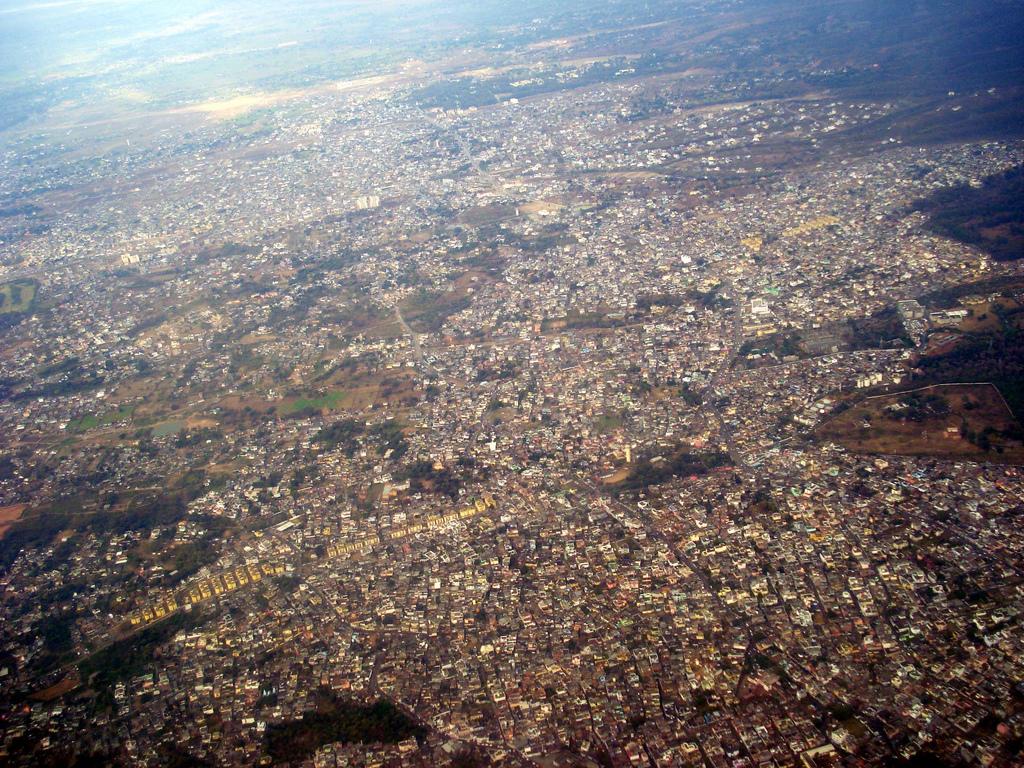
Uttarvehini is the quieter entry on the list and the one with the larger allocation. The government's description of the work is restoration and revival of old heritage structures. Samba district puts it comfortably within a day trip of Jammu city — closer than Basohli, closer than Patnitop, closer than most places a student in Jammu would think to go on a free Sunday.
Being honest about what is not known here matters. No timeline has been published, no completion date, no detail on which structures at the site the money covers.
What the ₹18.60 crore is buying, in plain terms
Heritage conservation budgets in J&K generally cover three kinds of work, and it is worth knowing which is which before anyone gets excited about a "restored fort".
Structural conservation — stopping the building falling down. Consolidating walls, repointing masonry, dealing with water ingress and root damage. Unglamorous, and usually most of the money.
Restoration and renovation — putting back what can responsibly be put back, using the original materials and techniques where they can be identified.
Visitor infrastructure — the paths, lighting, signage, seating and facilities that turn a protected ruin into somewhere people can actually spend an afternoon. This is the part that decides whether a site becomes a destination or stays a photograph.
The published descriptions put Basohli Fort's ₹6.50 crore against "repair, renovation and beautification" and Uttarvehini's ₹6.86 crore against "restoration and revival of old heritage structures". Neither breaks down further, so how much of either sum reaches visitor infrastructure is not yet knowable.
What actually changes for a 22-year-old in Jammu
Not much this month. Restoration budgets move slowly and heritage work is not a category where things open early.
What changes over two or three years is the shape of the weekend map. Jammu's day-trip options are currently narrow and heavily repeated — Patnitop, Mansar, Akhnoor, Bahu Fort, Basohli if you have a car and a full day. A restored fort with visitor facilities at Basohli and a revived heritage site in Samba widens that, and Samba in particular is close enough to be a genuinely cheap trip on public transport.
The second thing, less visible and more durable, is jobs. Heritage-led tourism is the frame the government is using for these approvals, and the work it creates is not only construction. It is guides, homestays, food, transport and site management — the kind of small local enterprise that Mission Youth's homestay push has been trying to seed. Whether any of that actually materialises at Basohli and Samba depends entirely on what gets built alongside the restoration, and that has not been announced.
The honest caveat
An approval is an approval. It is not a tender, not a foundation stone and not a finished building. J&K has a long list of heritage sites that have been cleared for money and are still waiting. What makes this batch worth noting is the run rate — four Jammu-region heritage approvals in a matter of weeks — and the fact that both new sites are places a young resident can already reach.
If you are going to visit either, going now and going again in three years is the more interesting version anyway. Very few people get to see what a place looked like before.
Sources: Greater Kashmir; The Kashmir Images.
%2Fgreater-kashmir%2Fmedia%2Fmedia_files%2F2026%2F06%2F27%2Fgmc-jammu-2026-06-27-05-46-24.jpg&w=3840&q=75)