Every summer, for a few intense weeks, Jammu stops being only a city and becomes a threshold. As the Shri Amarnath Ji Yatra approaches its early-July start, the lanes around the railway station, the riverside near the Tawi, and the sprawling base camp at Bhagwati Nagar fill with pilgrims, langar volunteers and the particular hum of a city in transit. For locals — especially students and young professionals navigating their daily commute — understanding the rhythm of yatri season is the difference between frustration and a front-row seat to one of the region’s great annual movements of people. It is a season you can resent from inside a traffic jam, or read with curiosity from the pavement. This guide is firmly in favour of the second.
The base camp city within the city
The heart of the Jammu operation is the Yatri Niwas at Bhagwati Nagar, the main transit point where pilgrims lodge before departing in convoys toward the Baltal and Pahalgam-side base camps in the Valley. In the run-up, the administration races to finish the unglamorous but essential work — accommodation, cloakrooms, washrooms, drinking water, lighting, bus-ticket counters and langar arrangements — so that tens of thousands can pass through without the system buckling. Registration for the pilgrimage opened months earlier, online through the Shrine Board’s portal and app and at designated bank branches nationwide, with RFID and on-the-spot token facilities set up around Jammu to ease the crush near the station.
If you live or study near these zones, the practical advice is simple: expect heavier traffic and diversions in late June, plan extra time, and treat the convoy mornings as no-go windows for a relaxed drive. The city is not inconveniencing you out of carelessness — it is briefly bending itself around a movement of people that dwarfs ordinary life, and a little patience goes a long way.
Two routes, one staging ground
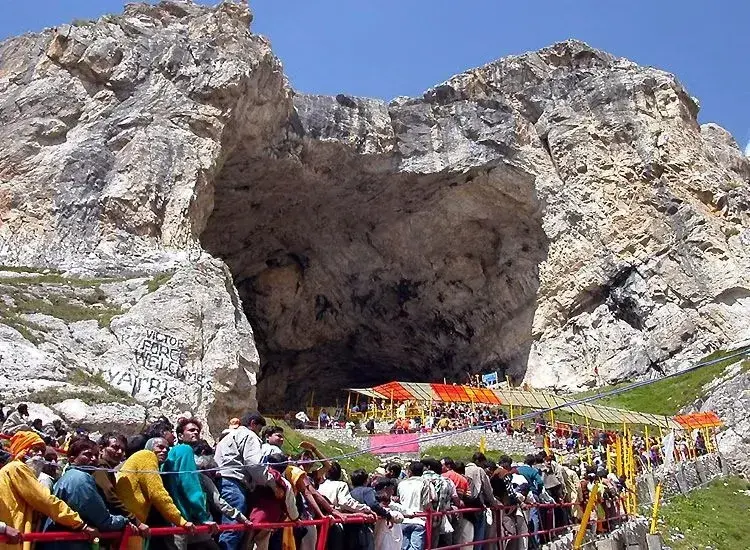
It helps to understand the geography the convoys are headed toward. From Jammu, pilgrims fan out toward two approaches to the cave shrine — the longer, gentler traditional route from the Pahalgam side, and the shorter but steeper Baltal approach. Jammu itself climbs neither; its job is the staging — registering, screening, lodging and dispatching the human river that the mountains then absorb. That makes the city less a backdrop and more the control room of the whole operation, which is exactly why so much effort goes into getting its arrangements right before the first batch even leaves.
Hospitality as a civic habit
What outsiders often miss is how deeply the yatra is woven into Jammu’s sense of itself. The langars — community kitchens run by volunteers — are not a sideshow; for many young residents they are a first, formative experience of organised service. Spend an evening near a base-camp langar and you will see college students ladling rajma-chawal, managing crowds and learning logistics that no classroom teaches. It is seasonal, demanding and, by most accounts, oddly addictive. People who sign up for one evening tend to come back for ten, drawn by a kind of purpose that the rest of the calendar rarely offers.
For the magazine’s readers, this is also a quiet jobs-and-skills moment. Transit season generates short-term demand — hospitality, transport coordination, retail, first-aid support, on-ground volunteering — and the soft skills picked up in a high-pressure crowd environment translate well to any future role. Learning to stay calm and useful while a thousand tired strangers need something at once is, frankly, a more valuable line on a résumé than most certificates.
How to be a good host — and a smart resident
A few ground rules make the season easier on everyone. Keep emergency and helpline numbers handy and share them with visiting pilgrims who often arrive disoriented after long journeys. Be patient with the heat-dazed traveller asking for directions to the base camp; a clear answer is the cheapest form of city pride there is. And if you are tempted to volunteer, go through an established langar or registered group rather than freelancing — the work is most useful when it is coordinated.
Above all, read the season for what it is. For a few weeks, a Dogra city in the plains becomes the staging ground for a journey thousands of kilometres of devotion are built around. You do not have to be a pilgrim to feel that. You only have to step outside in late June and watch your own city rise to the occasion — the volunteers up before dawn, the convoys forming in the half-light, the quiet competence of a place that has done this many times and still treats it as something worth doing well.
Local tip: if your route runs near Bhagwati Nagar or the riverfront, check convoy timings before you head out — mornings move differently in yatri season.