Lieutenant Governor Vinai Kumar Saxena has approved India's first high-altitude wildlife safari in Ladakh, built around guided jeep trails for snow leopard and bird sightings across Hemis National Park and the Changthang and Karakoram sanctuaries. Alongside it, a new conservation society called SHAN has already trained 20 local youths in birdwatching, put drivers and guides through safari-vehicle training, set up souvenir shops run by 50 women artisans, and handed out ten wildlife-photography fellowships — all before the winter sighting season even begins.
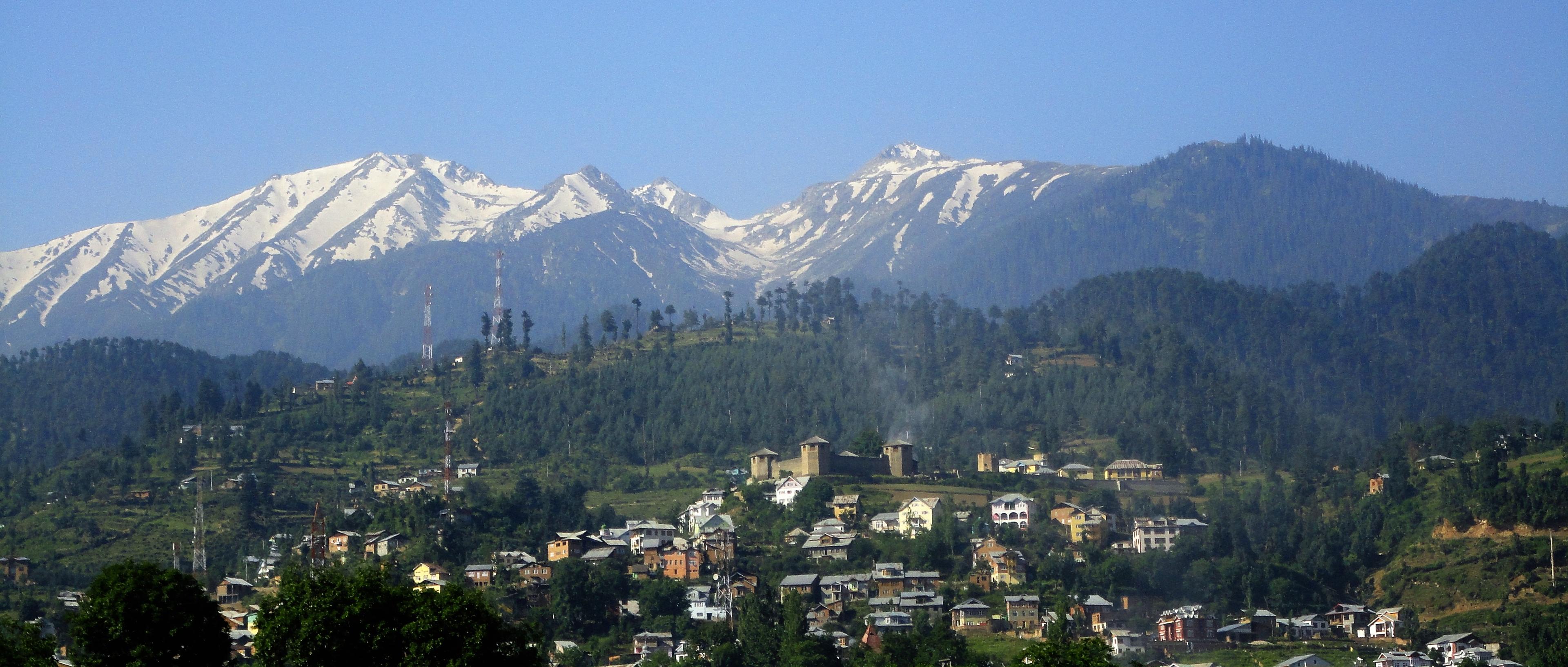
Jammu division's own Chenab Valley has the wildlife to justify the same push. Kishtwar High Altitude National Park — spanning roughly 400 sq km between 1,700 and 4,800 metres — was the site of the first-ever camera-trap evidence of snow leopards in the valley, and conservationists now rank it as India's second-highest snow leopard density area after Ladakh itself. The park is also home to brown bear, Himalayan musk deer, hangul, ibex and serow, alongside more than 50 recorded bird species.
What's missing that Ladakh just built
What Kishtwar doesn't yet have is Ladakh's structure: no dedicated safari circuit, no trained local guide or driver pool, no photography fellowships, no souvenir or homestay network built specifically around wildlife sightings rather than the wider Chenab Valley trekking and lavender-festival tourism JammuBeat has already covered. A recent industry review of Jammu's tourism potential explicitly flagged this gap, calling for youth and women to be trained in “storytelling, guiding, adventure sports, hospitality and digital marketing” around exactly this kind of natural asset — without a Ladakh-style programme yet attached to it.
Where a young resident could actually start
Certified nature-guide training — no such certificate track exists yet for Kishtwar specifically, which is itself the opening: a young resident who builds real tracking and birding knowledge now is positioned for whatever official programme follows, the way Ladakh's guides were recruited from locals who already knew the terrain.
Wildlife and landscape photography — Ladakh's fellowship model shows there's a real market for local photographers who know the seasonal patterns; the Chenab Valley's own light, terrain and species mix is distinctive enough to build a portfolio and a following around.
A homestay or small lodge near Kishtwar, Marwah or Bhaderwah pitched specifically at wildlife travellers — a different customer than the pilgrim and hill-station crowd most existing homestays chase — funded through the same Mission Youth entrepreneurship support covered in JammuBeat's look at the Tourist Village Network homestay push.
None of this is a guaranteed business yet — Kishtwar has no ticketed safari, no fixed season calendar and no marketing machine behind it the way Ladakh's SHAN society now does. What it has is the wildlife base and a template, next door, of exactly what that base can become when someone builds the infrastructure around it.
Sources: Daily Excelsior (Ladakh safari), Greater Kashmir (Kishtwar snow leopard survey), Daily Excelsior (Jammu tourism potential review).
