Jammu and Kashmir's Information Department has four months to draft guidelines for social media journalists and self-styled news pages. That much was put on record in the Legislative Assembly on Wednesday, 30 September 2026. What the guidelines will actually say has not been announced, and no draft has been made public.
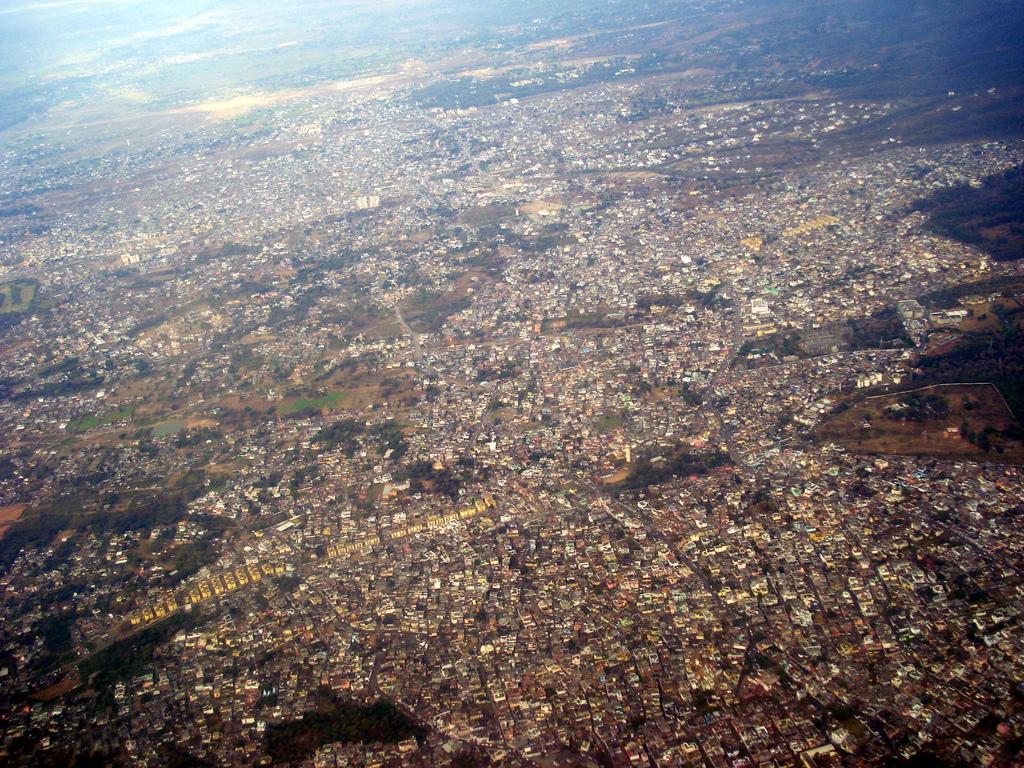
If you run a college news page, post reels as a creator, or admin a local Facebook or Instagram page that shares news, this is a process worth following. This piece sets out what was said, by whom, and what remains undecided. Image: File photo of Jammu city, not related to the proceedings.
What was announced
- Who: Minister Sakina Itoo, replying on behalf of the information minister, told the House that an Assembly House Committee has given the department four months to formulate the guidelines, according to The Tribune.
- The committee: It is headed by senior MLA and former minister Ali Mohammad Sagar and met on 13 July 2026, per The Tribune.
- The deadline: Four months. No start date or calendar deadline has been published in the reports we reviewed.
What supporters of regulation say
According to The Tribune, NC MLA Nazir Gurezi told the House: "Then social media is being misused. There should be some regulation." Greater Kashmir reports that other NC members, Tanvir Sadiq, Altaf Kaloo and Bashir Veeri, called for rules governing unregistered social media portals.
Minister Itoo said the media is essential to the government ("We are incomplete" without it) but that "there are certain shortcomings now". She added that "genuine, accredited media persons are few, while the number of self-styled Facebook media pages is huge", as quoted by The Tribune. The Speaker, Abdul Rahim Rather, called for "a comprehensive study of media functioning" and guidelines, and, as quoted by Greater Kashmir, said: "The media should be regulated. That is good. But a law should be made."
What others said
Greater Kashmir reports that AAP MLA Mehraj Malik argued: "Nobody can impose a ban on social media. Social media has become a powerful tool for raising public issues." PDP MLA Waheed-ur-Rehman Para cautioned against blaming the media alone, noting that conduct problems occur inside the Assembly as well, per the same report.
Minister Itoo also acknowledged a government role in the trend. As quoted by Greater Kashmir: "These days, we are also responsible for the social media boom. We all keep our PROs engaged."
What is settled, and what is not
- Settled: a House Committee exists, it has set a four-month window, and the Information Department is the drafting body.
- Not announced: the draft text, who would count as a journalist or a news page, whether anything would be mandatory registration or voluntary accreditation, any penalties, and whether it would be a guideline, a policy or a law. The Speaker's remark about a law shows that the form is itself still an open question.
- Not announced: whether there will be a public consultation. The reports do not say.
What it could mean for you
We cannot tell you what it will mean, because there is no draft. The reports describe a distinction between accredited media persons and self-styled pages, but they do not describe how accreditation works in J&K today or how a student newsroom, a hobby page or a creator would be classified. Those are the questions to watch when a draft appears:
- Would a campus magazine or student-run page be covered?
- Would an individual creator who posts local updates count?
- Is the aim identification of pages, or limits on content?
The Assembly debate also shows two concerns pulling in different directions: misuse of social media on one side, and the role of these platforms in raising public issues on the other. Neither side's position has yet been tested against actual text.
What happens next
The department's draft is the next step. When it surfaces, read it for definitions first: who is covered decides most of what follows. We will update this piece when text is published.