Cattle dung, apple pomace, pine needles and city waste are about to be pitched as raw material for an industry. The Jammu and Kashmir government has notified its Compressed Bio-Gas (CBG) Policy 2026, which offers investors capital support of up to Rs 10 crore per project, government land at Rs 1 per square metre and a promise of faster approvals. For an engineering, chemistry or agriculture graduate who has wondered what a first venture in J&K could look like, this is a policy worth reading closely.
Chief Minister Omar Abdullah has termed it a major step towards clean energy, the circular economy and turning organic waste into wealth, according to reports in Northlines, Rising Kashmir and Daily Excelsior. The policy was approved through the Council of Ministers and credited to the Department of Science and Technology under Minister Satish Sharma. Details below are as reported by Northlines and Kashmir Life; we could not open the notification text itself, so check the official document before committing money.
What is CBG, and why waste?
Compressed bio-gas is biogas that has been purified and compressed so it can be used as a vehicle fuel. The policy describes it as converting organic waste into clean automotive fuel and organic fertiliser. The feedstock it lists is cattle dung, apple pomace, municipal solid waste, pine needles and crop residues, and its stated aims are waste management, energy security, rural employment and sustainable agriculture.
What does the government put on the table?
- Capital support: Rs 0.50 crore per tonne per day (TPD) of capacity, capped at Rs 10 crore per project.
- Land: government land at a nominal lease rate of Rs 1 per square metre.
- Stamp duty: 100 per cent exemption.
- SGST: 100 per cent reimbursement for the first five years.
- Manpower: Rs 3,000 per month per local unskilled worker for two years.
- Loans: interest subvention of up to Rs 2 crore on bank term loans.
- Approvals: 60-day deemed approval for non-statutory permissions, through a Single Window Portal.
On the capital support, the arithmetic is simple: at Rs 0.50 crore per TPD, the Rs 10 crore cap is reached at a plant of 20 TPD. Whether smaller or larger plants face limits is not stated in the reports we read.
Who benefits beyond the investor?
The policy targets about 2,000 direct rural jobs by 2030, and Kashmir Life reports a bio-manure distribution target of 10,000 farmers. The Rs 3,000 monthly manpower support applies to local unskilled workers, which ties hiring to nearby villages. The policy is valid up to 2032.
What should a young founder or engineer do now?
Treat it as a prompt for homework, not a green light. Useful first steps: work out which feedstock is reliably available near a site, since a plant lives or dies on steady supply; read the notification for eligibility and project conditions; and speak to a bank about how the interest subvention interacts with a term loan. Engineers and technologists can also look at the roles such a plant needs, from digester operation and gas purification to logistics and bio-manure marketing. Jammu's belt is not an obvious fit for apple pomace, but cattle dung, crop residues and municipal waste are all local conditions to study.
For students, this also sits beside the wider startup ecosystem; see our guide Got an Idea? Jammu's Startup Support System Is Closer Than You Think.
What has not been announced?
- The reports we read do not give an application window, a dedicated application link or a form. Only the Single Window Portal is mentioned for approvals.
- Minimum or maximum plant size, eligibility of individuals versus companies, and any offtake or pricing arrangement are not mentioned.
- The exact notification number and date were not available in the reports; they were published on 2 and 3 October 2026.
We will update this piece when the official notification or a portal goes live.
Sources
- Northlines: CM terms CBG Policy 2026 a major step towards clean energy
- Kashmir Life: Jammu Kashmir notifies CBG Policy 2026 with up to Rs 10 crore project support
- Rising Kashmir: CM Omar hails J&K Compressed Bio-Gas Policy 2026
- Daily Excelsior: CM Omar hails J&K Compressed Bio-Gas Policy 2026
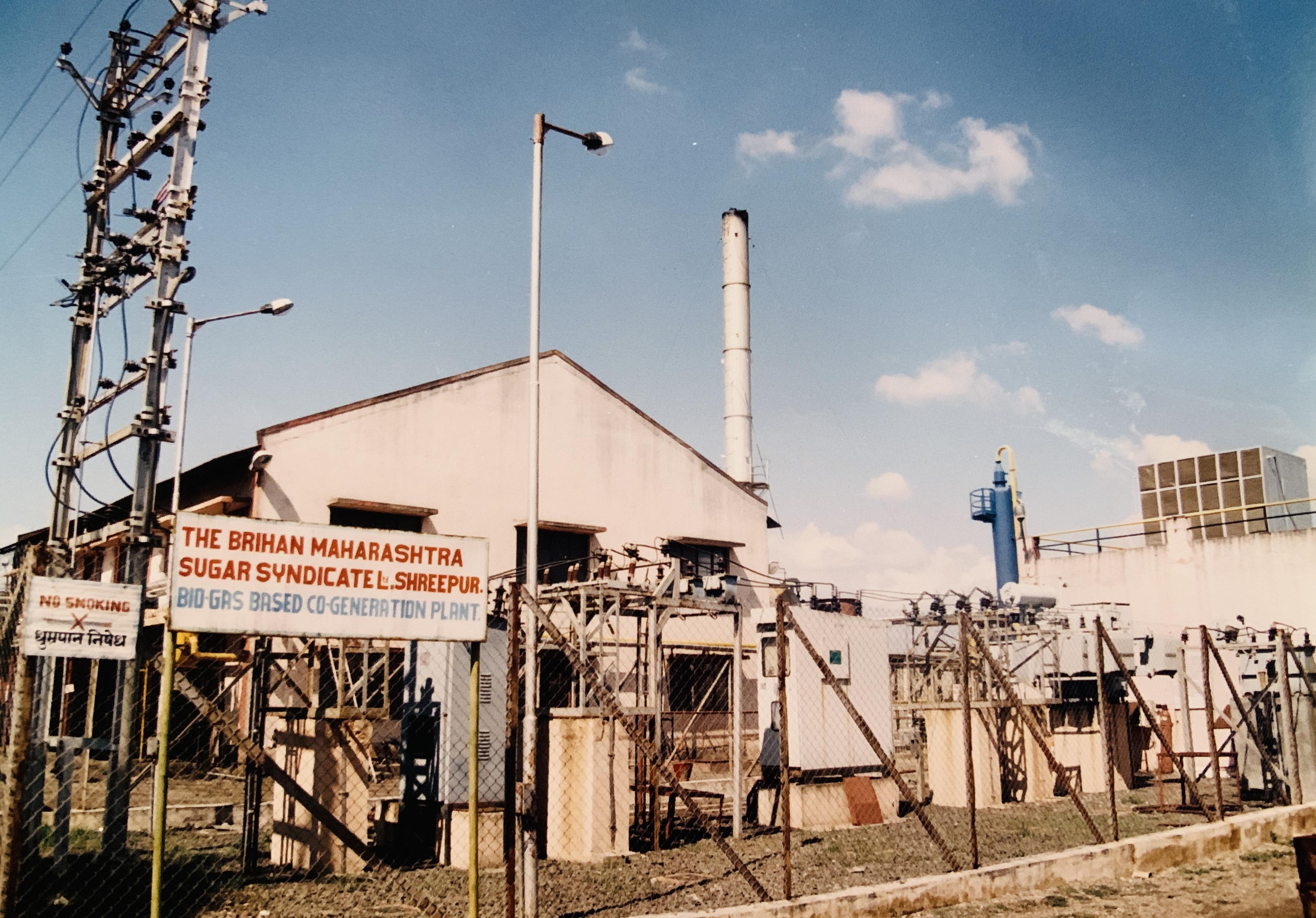
Hero image (Commons file page): file photo of a biogas-based co-generation plant at Shreepur, Maharashtra, by Agashe Foundation via Wikimedia Commons (CC BY-SA 4.0). It is not a J&K plant.