What happened
On 1 October, Jammu Municipal Corporation (JMC) Commissioner Dr Devansh Yadav met trade association representatives and four city MLAs (Sham Lal Sharma, Yudhvir Sethi, Vikram Singh Randhawa and Arvind Gupta). Traders had been alarmed by JMC notices to over 200 establishments across the city over residential premises being used commercially, and to the Narwal Fruit Mandi. Greater Kashmir reports that the Fruit Mandi notices followed an alert from the Anti-Corruption Bureau; we carry only what the report attributes.
What JMC said
The Commissioner said efforts were under way to "examine suitable mixed-use provisions under the building bye-laws" in areas that meet prescribed parameters. He promised extended guidance for obtaining building permissions, facilitation for regularising existing structures where permissible, and that vertical expansion for established markets would be explored. Policy matters, he said, would be taken up with the Government.
What a mixed-use rule is
Urban plans normally tag land as residential, commercial or industrial. A mixed-use provision lets a defined area combine, for example, homes with shops or offices, subject to conditions such as road width and parking. Whether Jammu gets one, and where, has not been decided. The report does not give a timeline or list the parameters.
Why it touches young Jammu
Where a small café, studio or coaching centre can legally open depends on this kind of zoning. The report does not detail what traders asked for, and we have not filled that in. If you rent a ground-floor shop, the practical step is to ask your landlord whether the premises have commercial permission.
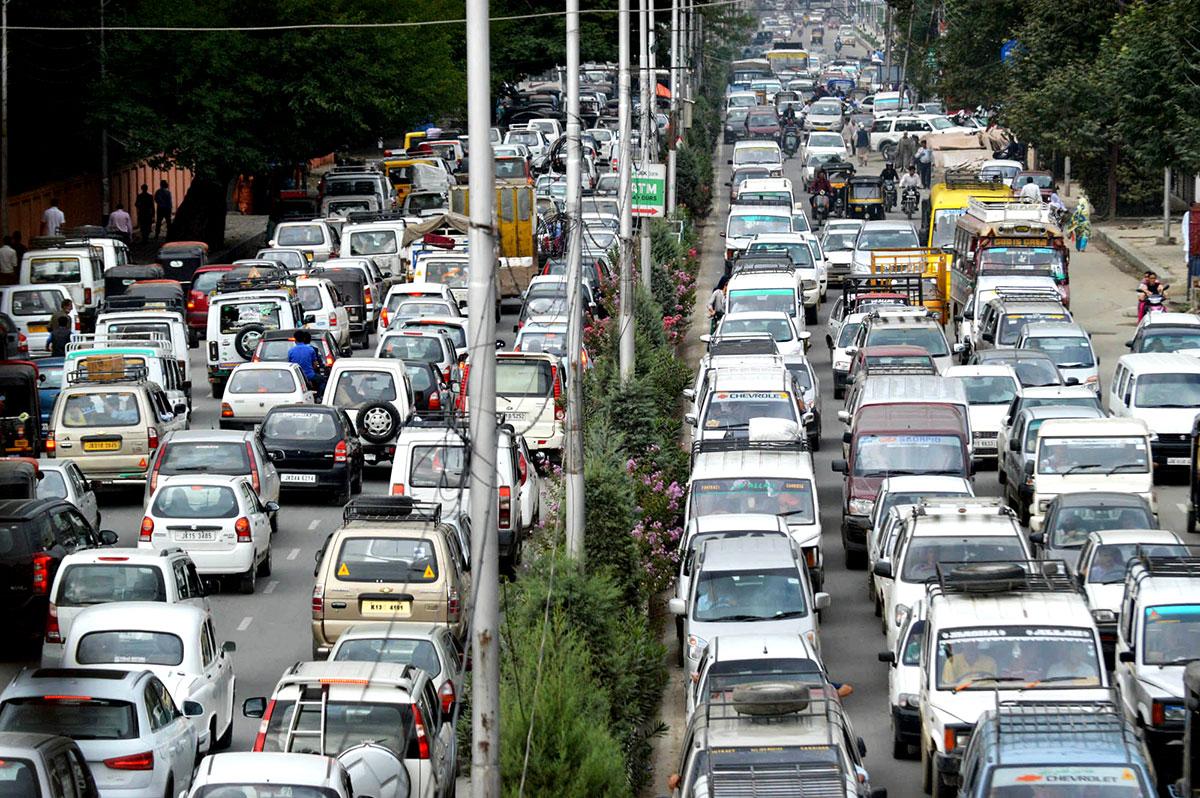
Photo: file photo of a Jammu street market.
Source: Greater Kashmir.