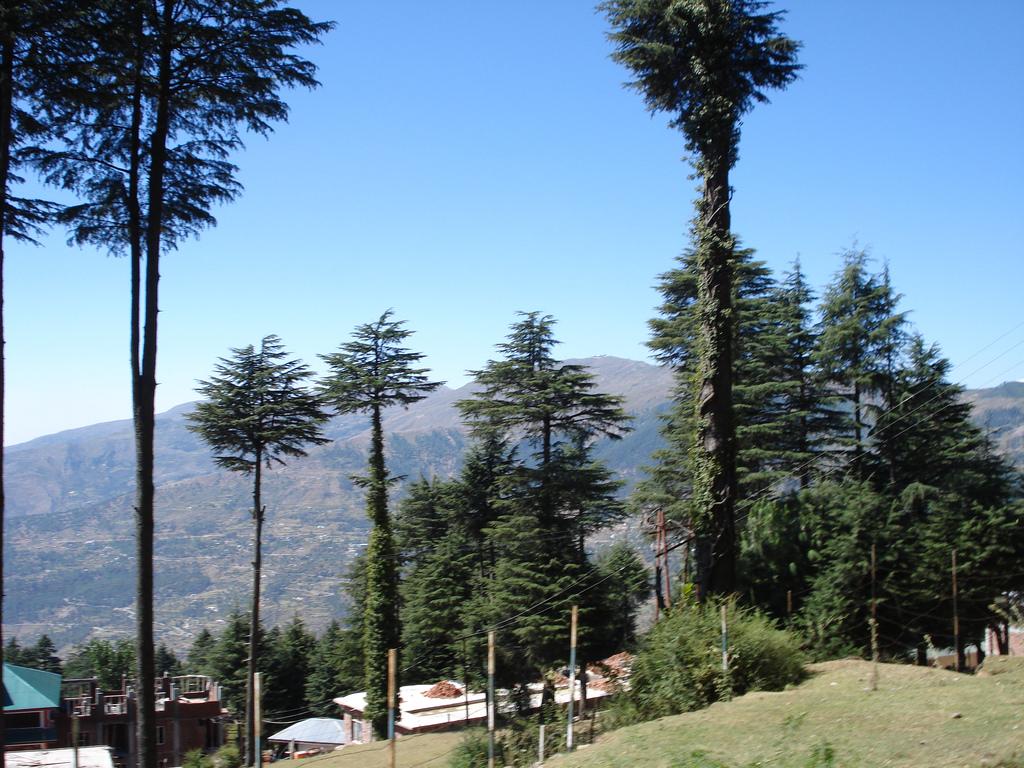
There is a particular morning in December when the chinars below Patnitop go quiet, the Chenab valley vanishes under cloud, and the first real snow of the season settles over the deodars like icing left out overnight. For Jammuites who spend most of the year in the Tawi belt's dust and heat, this is the signal: the hills are open, and the winter is finally ours. Patnitop, just over a hundred kilometres up the Jammu-Srinagar highway, is the closest thing the city has to a snow holiday on a long weekend, and early December is arguably its loveliest, least crowded window.
If you have only ever driven up in summer for maggi and a pony ride, the cold-weather version is a different animal. The light is sharper, the meadows are dusted white, and the whole plateau slows down to a pace that suits a flask of tea and nowhere to be. Here is how to do it properly.
When to go and what to expect
The first dependable snow at Patnitop usually arrives through December, building toward the heavier dumps of January and February. Early in the month you are more likely to get crisp blue skies, frosted mornings, and a thin, photogenic layer rather than knee-deep drifts, which honestly makes for easier walking and safer driving. Pack as if it will be colder than the forecast says: thermals, a windproof outer layer, gloves, a woollen cap, and shoes with actual grip. The single most common tourist error is arriving in sneakers and spending the day skidding.
Keep an eye on highway advisories before you leave. The Jammu-Srinagar route is prone to closures and slowdowns after heavy snow, and the Nashri tunnel stretch can bottleneck on weekends. Leaving Jammu early, by six or seven in the morning, buys you both the best light and a buffer against traffic.
Getting there and getting it right
The drive itself is half the trip. From Jammu you climb steadily up the national highway toward Udhampur and Kud before the turn-off up to the Patnitop plateau, and the road narrows and twists as the air thins and cools. If you are not confident driving on snow or ice, this is the single best place to spend money on a local driver who has done these bends a hundred times in winter. They know which stretches glaze over first, where to stop, and when conditions have simply turned too risky to push on.
For those without their own vehicle, shared taxis and buses run up the highway, though winter schedules can be unpredictable, so build in slack and never plan a tight return. The smartest itinerary is unhurried: aim to be settled into your stay by early afternoon, keep the first day light, and save the bigger walks and activities for a fresh, clear morning when the light is at its most generous and the snow at its firmest underfoot.
Sanasar, Guldanda and the quieter corners
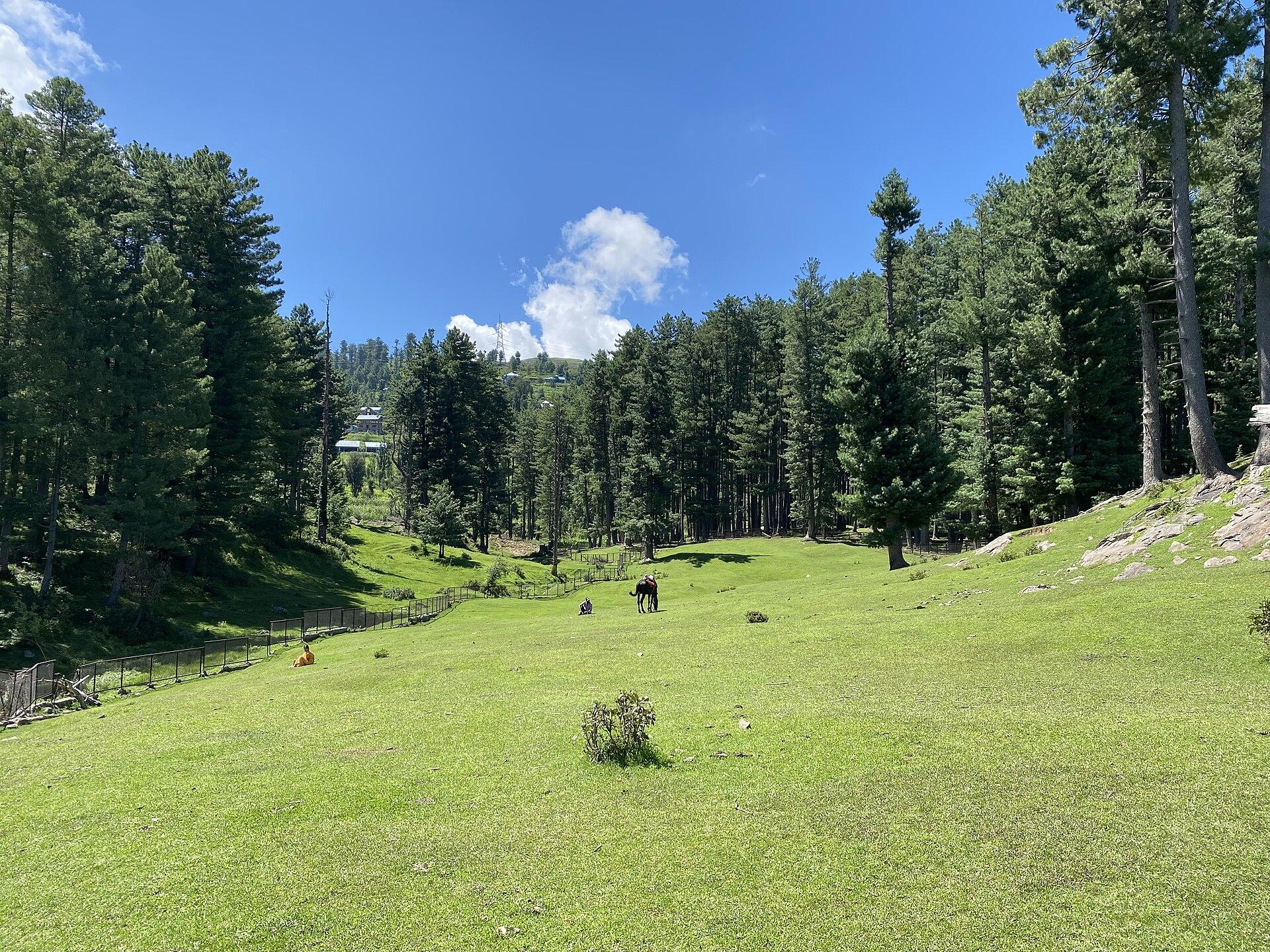
Patnitop itself is the headline, but the smart move is to push a little further. Sanasar, a short drive away, is a bowl of meadow ringed by conifers that turns into a postcard after snow, and it is the launch point for paragliding in clearer weather. The newer adventure pockets around Guldanda have been drawing crowds with skiing, sledging, snow cycling, zorbing and zip-lining once the cover is thick enough, so if you want activity rather than just scenery, ask local operators what is running that week.
For families, the gentle slopes near the main Patnitop bowl are perfect for a first try at sledging, and there is no shame in renting gumboots and a stick at the top rather than ruining your own shoes. Couples and photographers should chase the early-morning and late-afternoon hours, when the crowds thin and the snow goes gold.
One thing worth setting expectations on: the amount of snow varies wildly from week to week and year to year. Some early-December weekends deliver a flawless white plateau; others give you frost, bare patches and a bracing wind but no real cover at all. Treat the snow as a bonus rather than a guarantee, and you will never be disappointed, because even on a snowless day the deodar forest, the cold clean air and the valley views are reason enough to have come. Call ahead to your stay, ask honestly what the ground looks like that week, and adjust your plans rather than your hopes.
Eat warm, stay sensible, travel light
This is hill food weather. Roadside dhabas along the climb do roaring business in rajma-chawal, hot parathas and endless kahwa and chai, and there is nothing better after a cold walk than a plate of something steaming with the valley falling away below you. Carry water, some dry snacks and cash, because connectivity and card machines both get patchy once you are up.
A few ground rules that separate a good trip from a miserable one: book your stay in advance on weekends and around the year-end rush, do not attempt the final stretches without checking road conditions, and never chase a selfie near an unguarded edge or a frozen slope. If you are driving yourself, carry chains or hire a local driver who knows the bends in snow.
As one Patnitop guesthouse manager put it, the visitors who enjoy the hills most in winter are the ones who come slow, dress warm, and let the snow set the schedule.
You do not need a week or a fat budget. A single well-planned overnight, leaving Jammu at dawn and coming back the next evening, is enough to reset your whole December. The hills are right there, an hour or two above the city, quietly turning white. This is the month to go up.