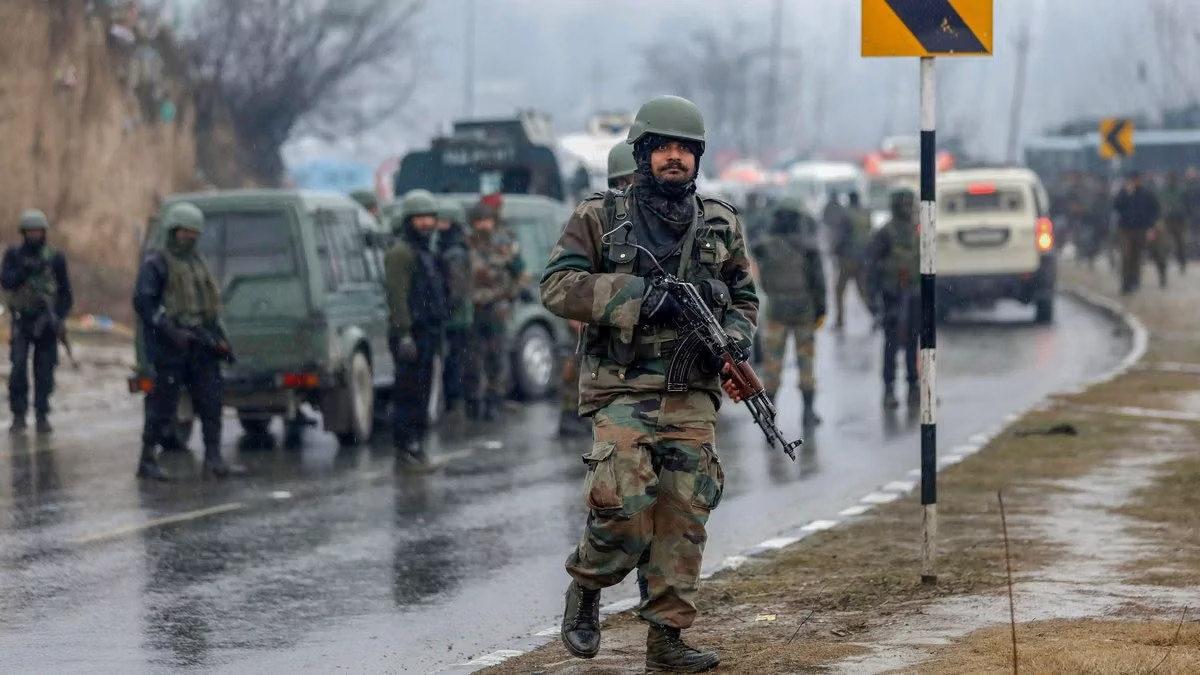
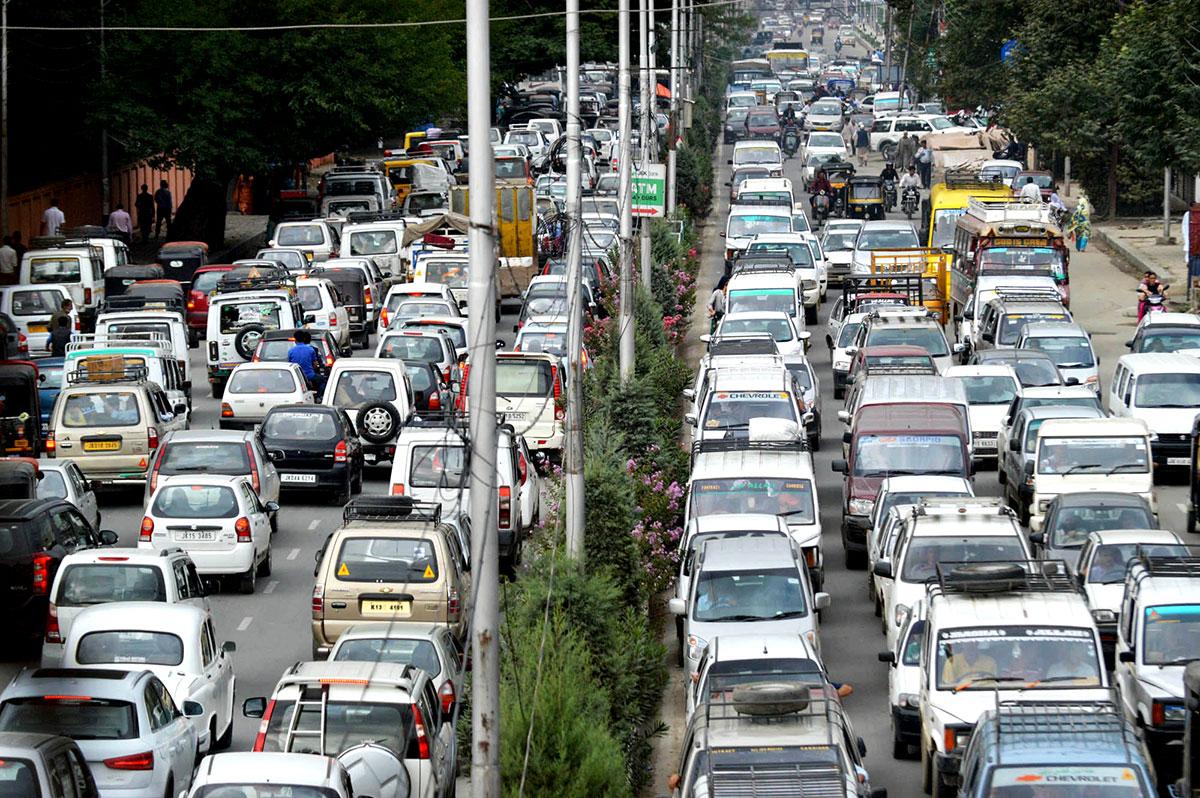
In 2026 so far, national highways in Jammu and Kashmir have seen 1,109 accidents, 206 deaths and 1,658 people injured.
Against that, the General Administration Department has issued Government Order No. 1412-JK(GAD) of 2026, dated 18 August, constituting a District Highway Safety Task Force in every district of the Union Territory. The order complies with a Supreme Court direction of 13 April 2026 in In Re: Phalodi Accident vs NHAI & Ors, a suo motu matter in which the court laid down road-safety directions nationally.
Who is on it
Each district task force is chaired by the District Magistrate. Its members are:
the Senior Superintendent of Police
the Additional Deputy Commissioner or Sub-Divisional Magistrate
the concerned Assistant Regional Transport Officer
a representative of the executing agency — NHAI, NHIDCL or PWD, depending on the road
a Traffic Police representative of at least Deputy Superintendent of Police rank
a representative of the concerned Urban Local Body
The forces are required to meet at least once a fortnight. That cadence is the most consequential line in the order: a body that meets twice a month behaves differently from one that meets when something goes wrong.
What they are meant to do
Four functions, per the order:
monitor implementation of the Supreme Court's directions
oversee removal of encroachments and unauthorised access points on national highways and other major roads
review land-use regulation along highways, with the agencies concerned
identify accident-prone locations and recommend engineering, enforcement and awareness measures
The second and fourth are the ones a resident would notice. "Unauthorised access points" is the formal term for the informal cuts and side-lane joins that turn a fast road into a series of blind merges — a familiar description of stretches of NH-44 around Jammu, Bari Brahmana and Samba.
What changes for you
Concretely, one thing: there is now a named body, in your own district, whose job is accident black spots.
Before this, a dangerous junction was a matter for whichever agency owned the tarmac — and working out whether that was NHAI, NHIDCL, PWD or the municipality was itself the obstacle. The task force puts all of them at one table under the District Magistrate.
Young riders are disproportionately exposed. If your commute to a college or a job runs along a highway stretch with a merge that regularly produces near-misses, that is precisely what the order calls an accident-prone location — and the District Magistrate's office is now the address for raising it.
What the order does not do is set a deadline for a black-spot list, publish one, or say how the public feeds into the process. Those are the details worth watching over the next few fortnights.
%2Fgreater-kashmir%2Fmedia%2Fmedia_files%2F2026%2F06%2F27%2Fgmc-jammu-2026-06-27-05-46-24.jpg&w=3840&q=75)