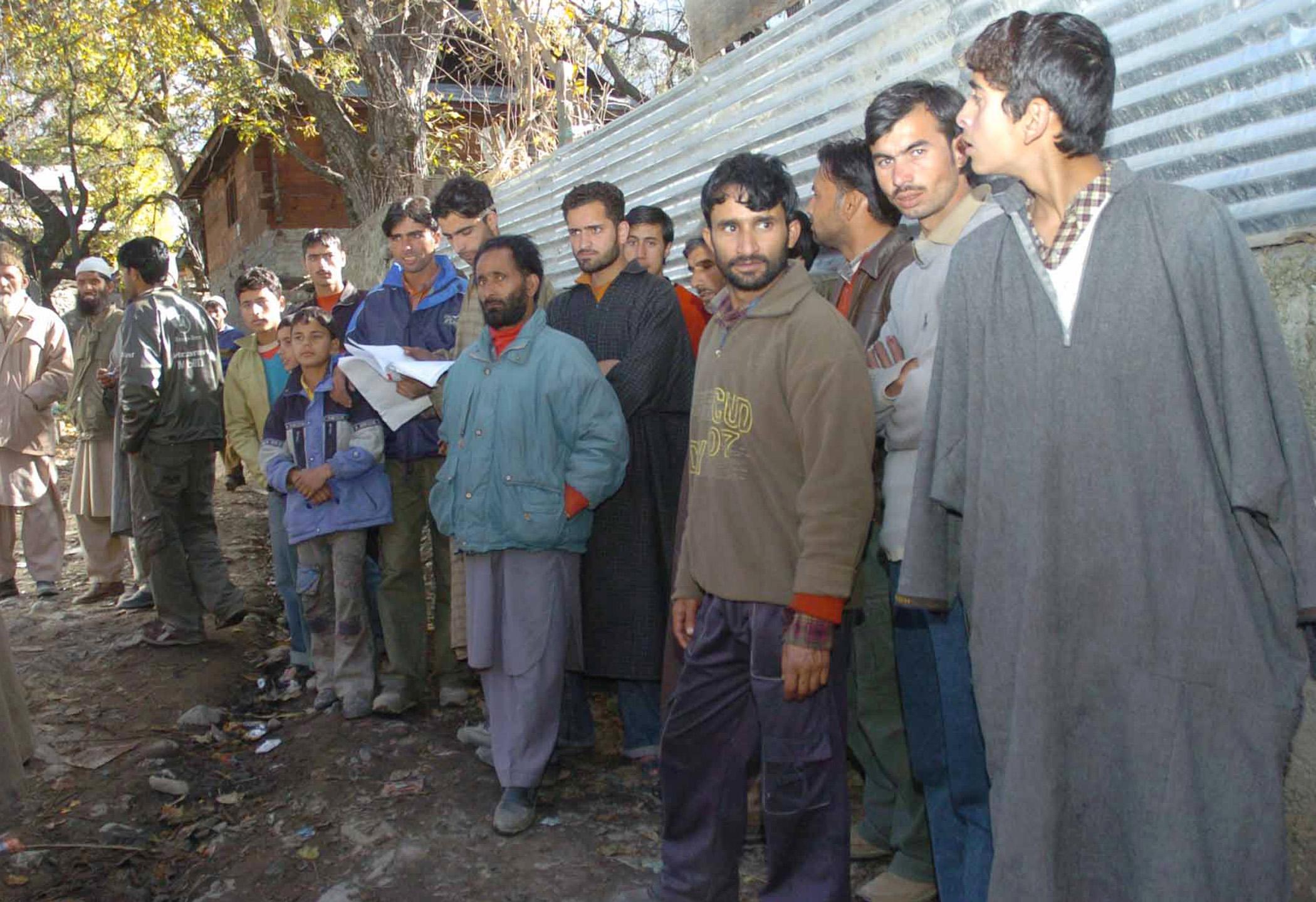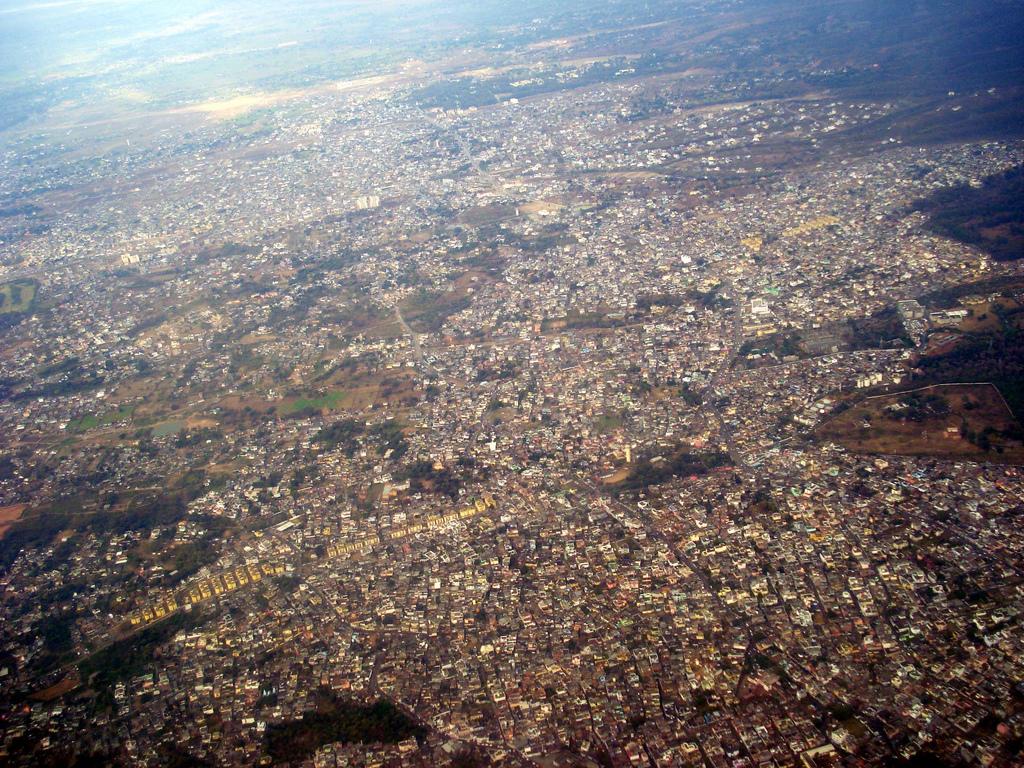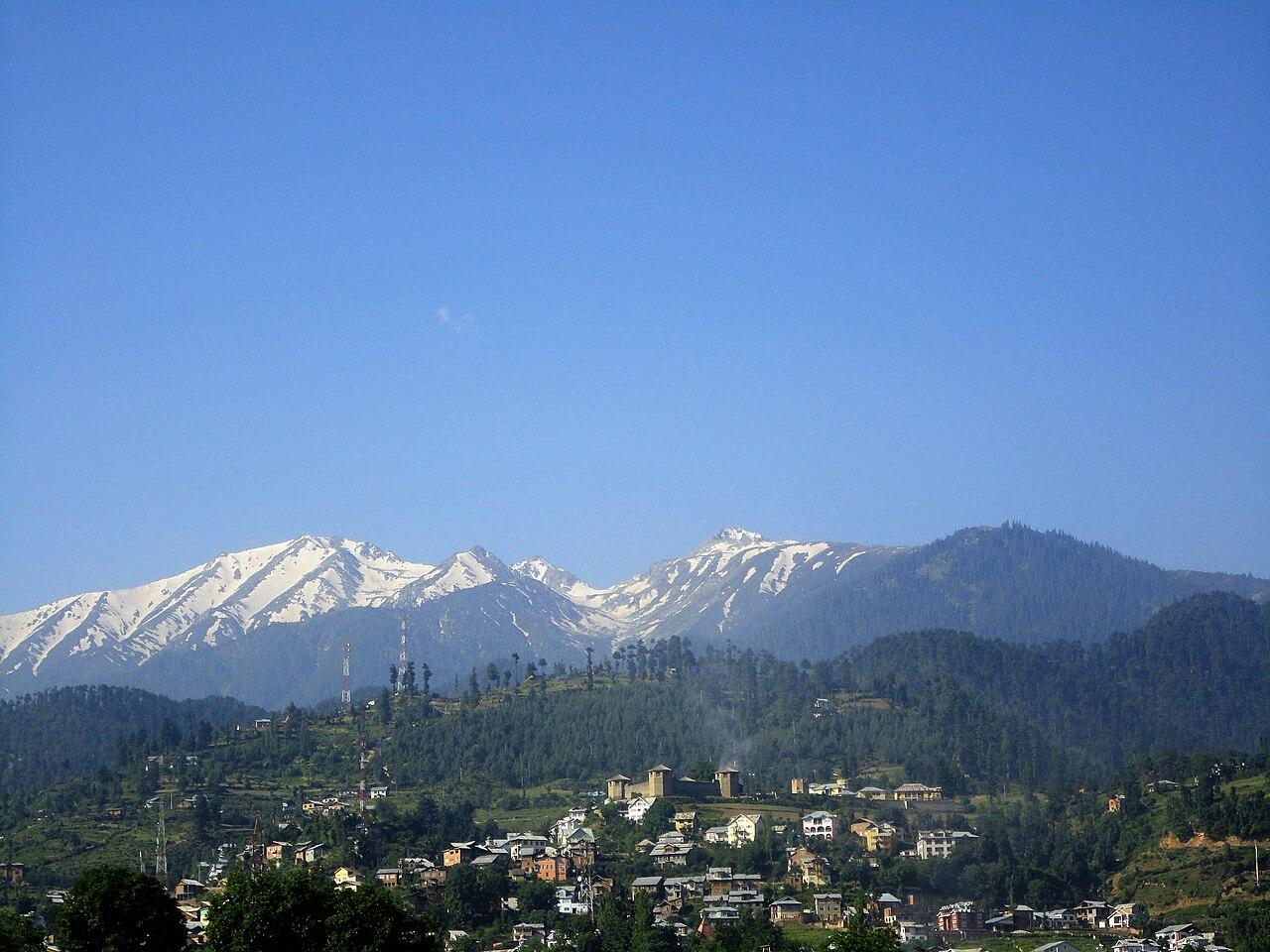
India's first fully digital Census has already begun counting people in Jammu and Kashmir. It started on 17 August. Most of us will not be part of it until February 2027.
That is not a contradiction, and it is not a mistake. J&K has been split into two different census timetables, and which one applies to you depends on the exact village you are standing in — not the district, not the town, the village. Here is how it actually works, and who needs to do something about it in the next two weeks.
What opened on August 17?
The self-enumeration window for Phase II of Census 2027 — the population count. Until 31 August, residents of designated "snow-bound, non-synchronous" areas can log in and fill in their own household's census details online, instead of waiting for an enumerator to knock. From 1 September to 30 September, enumerators and supervisors do the physical rounds in those same areas, picking up everyone who did not self-enumerate.
The whole thing has been pulled forward for one plain reason: by December, a lot of these places are cut off. Snow closes roads into the upper reaches of Doda, Kishtwar and Ramban for weeks at a time, and an enumerator cannot count a household they cannot reach. So the government moved the count to late summer for those pockets and left the rest of the country on the regular schedule.
Which parts of J&K are being counted now?
Sixteen of J&K's twenty districts have been partially declared snow-bound. In total the current window covers 1,115 villages and three municipalities — the municipal areas being Uri, Gulmarg and Kishtwar.
The district-wise spread, as released by the Directorate of Census Operations:
Doda — 305
Kishtwar — 158
Baramulla — 93
Ramban — 88
Udhampur — 79
Kulgam — 66
Anantnag — 55
Kupwara and Reasi — 49 each
Kathua — 48
Pulwama and Shopian — 32 each
Bandipora — 28
Poonch — 24
Ganderbal — 7
Budgam — 5
Read that list for what it does not contain. Jammu district is not on it. Neither is Samba. If you live in Gandhi Nagar, Trikuta Nagar, Channi, Bakshi Nagar or anywhere else in the city proper, nothing is being asked of you this month — your count comes in February 2027, on the national schedule.
But five districts in our own belt are on it: Udhampur, Reasi, Kathua, Ramban and Poonch, alongside Doda and Kishtwar further up the Chenab. That is a large chunk of where Jammu's student population actually comes from.
The catch nobody is spelling out: it is geo-fenced
This is the part worth reading twice. The self-enumeration link is geo-fenced. You can only use it if your phone is physically inside a notified snow-bound area at the time you fill the form.
Amit Sharma, Chief Principal Census Officer and Director of Census Operations for J&K and Ladakh, put it plainly: those who belong to a snow-bound area but are presently living outside the geo-fenced zone will have to be physically present in the notified area to complete self-enumeration.
Work out what that means for a second-year student from Bhaderwah sharing a room in Janipur, or an Udhampur kid doing a coaching year near Bahu Plaza. Your home village may well be in the August window. You are not in it. Opening the portal from your Jammu hostel will not work — and being classified as a resident of a "partially snow-bound" district does not by itself unlock the link either, because the fence is drawn around specific villages, not district boundaries.
The practical answer is undramatic: you do not personally have to fill anything. Census schedules are filled per household, and any responsible adult member of the household at home can enumerate the whole family, including members who are away studying or working. Call home. Make sure whoever fills it lists you. If nobody self-enumerates, the enumerator's visit in September catches the household anyway.
What is different about this Census?
Three things worth knowing.
It is digital end to end — data is captured on an app rather than on paper schedules, and self-enumeration through the census portal is being offered for the first time in the history of the Indian Census. The snow-bound window runs on its own portal at se-snowbound.census.gov.in; the general self-enumeration portal for the main national round is se.census.gov.in.
The population schedule has grown to 40 questions, eleven more than the 29 asked in 2011. It covers demographics, education, migration, fertility and socio-economic detail.
And caste is being enumerated in this phase — recorded as the respondent declares it, rather than being matched against a pre-set list.
Why the reference date matters more than you'd think
Every census freezes the population at one moment. For most of India, Census 2027's reference moment is 00:00 hours on 1 March 2027. For Ladakh and the snow-bound non-synchronous pockets of J&K, Himachal Pradesh and Uttarakhand, it is 00:00 hours on 1 October 2026.
So if your village is in the August–September window, the household as it stands on 1 October 2026 is the household that goes into the record — the baby born in September counts, the one born in November does not.
That record is not an abstraction. Census figures are what get used to size everything from reservation and constituency boundaries to how many schools, PHCs and anganwadi centres a block is entitled to, and how central schemes allocate money. An undercounted village stays undercounted for a decade. That is the entire argument for making sure your household actually gets filled in.
So what do you do?
In Jammu city or Samba? Nothing, for now. Your round is February 2027.
Family home in one of the 1,115 notified villages? Ring them this week. Someone at home can self-enumerate the household before 31 August — and should list every member, including those of us away in the city.
Missed the window? No penalty and no problem. Enumerators cover the same areas door-to-door from 1 to 30 September.
Not sure whether your village is notified? The portal itself will tell you — the geo-fence either lets you in or it doesn't.
Sources: Press Information Bureau — Registrar General and Census Commissioner of India press conference on Census-2027; Rising Kashmir — Census 2027 Phase-II population enumeration begins in J&K's snow-bound areas, Ladakh; WION — Census 2027: Self-enumeration begins in snow-bound J&K, entire Ladakh; Business Standard — Census 2027 population count begins in J&K, Ladakh.
%2Fgreater-kashmir%2Fmedia%2Fmedia_files%2F2026%2F06%2F27%2Fgmc-jammu-2026-06-27-05-46-24.jpg&w=3840&q=75)