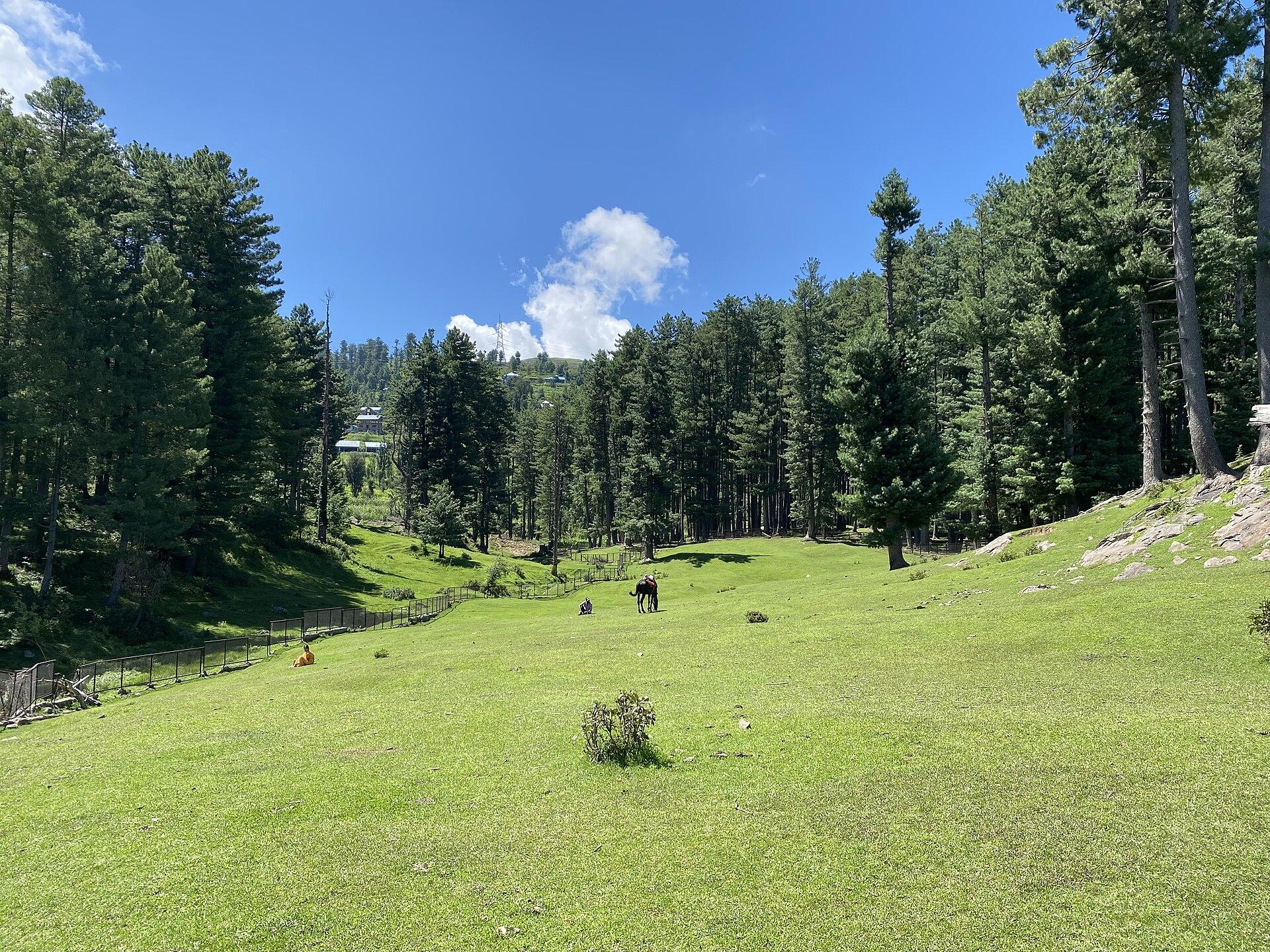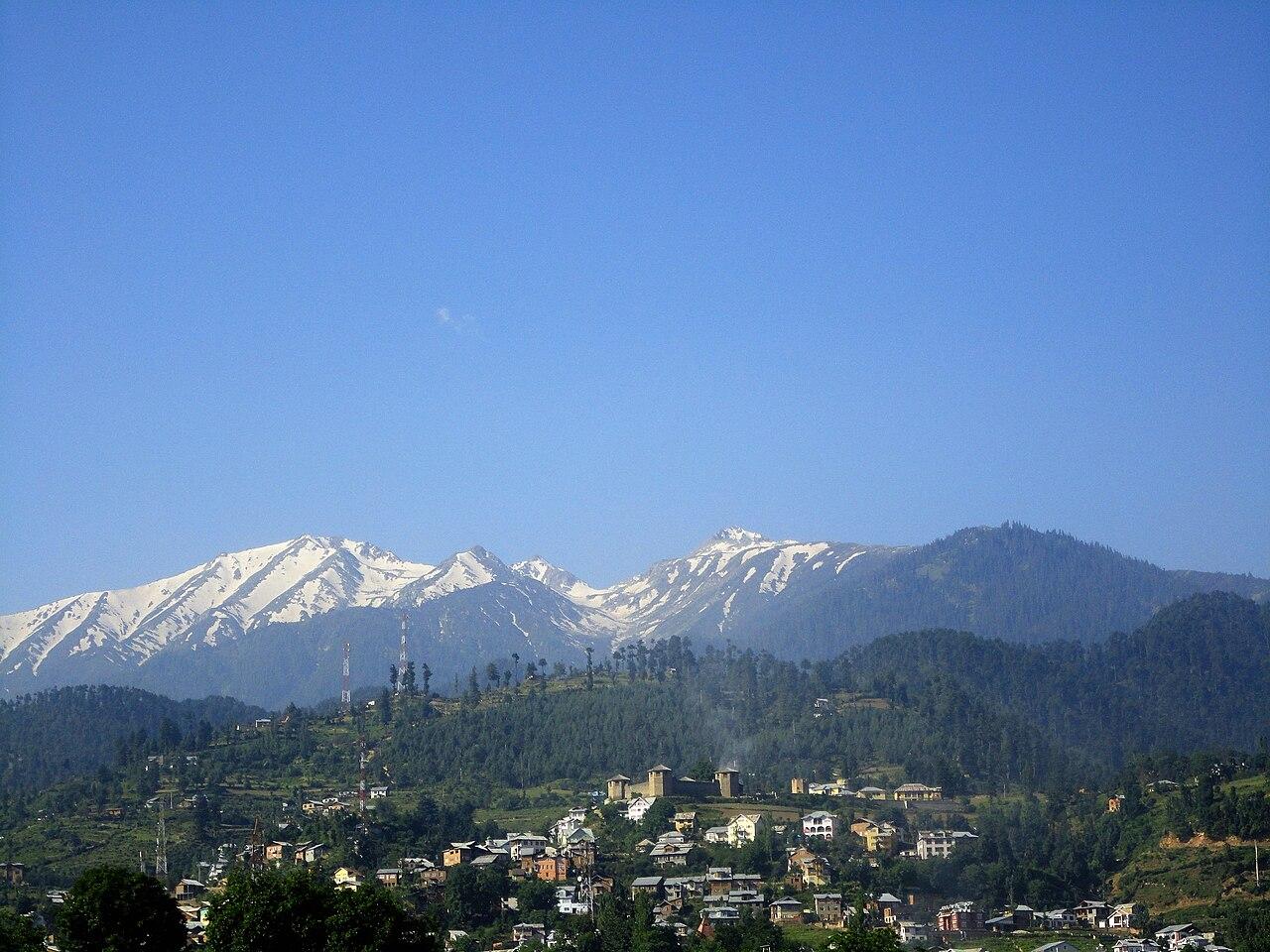
For two days in early June, the meadows above Bhaderwah turned a shade of violet that no filter can fully do justice to, and a steady stream of young travellers from Jammu made the winding drive up the Chenab Valley to see it. The fourth edition of the Lavender Festival, held across the town and the grounds near Government Degree College, Bhaderwah, carried the theme “Lavender Goes Global” — and for once the slogan felt earned rather than aspirational. By the time the dust settled on the second evening, the festival had done what the best regional events do: it had given a small hill town an outsized claim on the country’s attention.
Organised by the CSIR–Indian Institute of Integrative Medicine (CSIR-IIIM), Jammu, the festival has quietly become one of the most photographed events on the summer calendar. But strip away the Instagram grids and what you find is a genuine rural-economy story unfolding in real time, the kind that makes a hill town three hours from the plains suddenly relevant to a science student, a startup founder and a weekend tourist all at once.
From a science experiment to a “Purple Revolution”
The lavender now carpeting these slopes did not grow here by accident. It is the visible face of the Aroma Mission, a flagship programme run under the Union Ministry of Science and Technology, which introduced the hardy, high-value crop to farmers who had long struggled with low returns on traditional maize. The shift has been significant enough that officials now talk about a “Purple Revolution” in the Chenab belt, with thousands of farmers and young entrepreneurs across Jammu and Kashmir engaged in lavender cultivation and dozens of distillation units — both fixed and mobile — dotting the region.
For visitors, the festival makes that science legible. Live harvest and distillation demonstrations let you watch raw flower spikes turn into fragrant essential oil; technical sessions break down post-harvest handling, oil extraction, branding and the export opportunities that turn a field into a livelihood. It is part fair, part classroom, and surprisingly engaging even if you arrived only for the photographs. You leave understanding, in a way no textbook quite manages, why a single hill crop can carry an entire region’s economic hopes on its narrow purple shoulders.
The economics are not abstract either. Lavender fetches a premium that traditional hill crops never could, and because the value is concentrated in oil rather than bulk, even a modest plot can pay off — which is exactly why the model has spread beyond Bhaderwah to other hill states. The festival is where that arithmetic gets demonstrated in public, in front of the very farmers and students deciding whether to plant next season.
The young-entrepreneur energy
What gives the 2026 edition its buzz is the agri-startup expo woven through it. Stalls of value-added products — soaps, room sprays, oils, dried bouquets, wellness blends — sit beside buyer-seller meets where small producers pitch directly to fragrance and wellness companies. For a generation of Jammu graduates weighing whether a future has to mean leaving the region, the sight of peers running a viable rural enterprise lands harder than any motivational seminar. These are not faceless agro-conglomerates; they are local names with small batches and big plans, and watching them negotiate a first real order is its own kind of inspiration.
That is the part of the festival the photographs miss. Behind every artfully styled soap bar is a question every young person in the region eventually faces — can you build something here, or do you have to leave to build at all? The lavender economy is, for now, one of the more convincing local answers to that question, and the festival is its annual proof of concept.
The festival also drew scientists, policymakers and agro-business stakeholders, with the inaugural function led by Union Minister Dr Jitendra Singh, who has long championed the lavender story as proof that hill agriculture can be both modern and profitable. The crowd, though, belonged to the families, college groups and day-trippers who treated the bloom as the season’s first proper escape from the heat.
If you want to chase the bloom next year
A few honest pointers for the JammuBeat reader plotting a trip. Bhaderwah sits in Doda district, deep in the Chenab Valley, and the road up gains altitude steadily — leave Jammu early, carry layers, and do not trust the plains weather to follow you uphill. The lavender window is short and weather-dependent, usually peaking around late May into June, so the festival is timed to the bloom rather than the other way around. Beyond the flowers, the town itself rewards a slow afternoon: cool air, deodar slopes and the unhurried pace that earned Bhaderwah its old nickname of “Mini Kashmir.”
The smartest way to read this festival is not as a one-weekend event but as a signpost. A crop that barely existed here a decade ago is now pulling tourists, training students and feeding a small but real export ambition. That is cultural tourism doing actual work — and it is happening a half-day’s drive from Raghunath Bazaar.
Field notes for first-timers: go for the colour, stay for the distillation demo, and budget for at least one bottle of oil you did not plan to buy.