On 2 August, a nationwide campaign against drug abuse was launched, and inside the J&K function was a line that matters more than the speeches around it: the Union Territory is to get its first-ever Rehabilitation and Socio-Economic Reintegration Scheme for drug-abuse victims. If it works as described, it changes the question from "how do we catch users" to "how do we get a young person their life back."
Here is what was actually announced, what it is meant to do, and the parts still to be filled in.
What was launched?
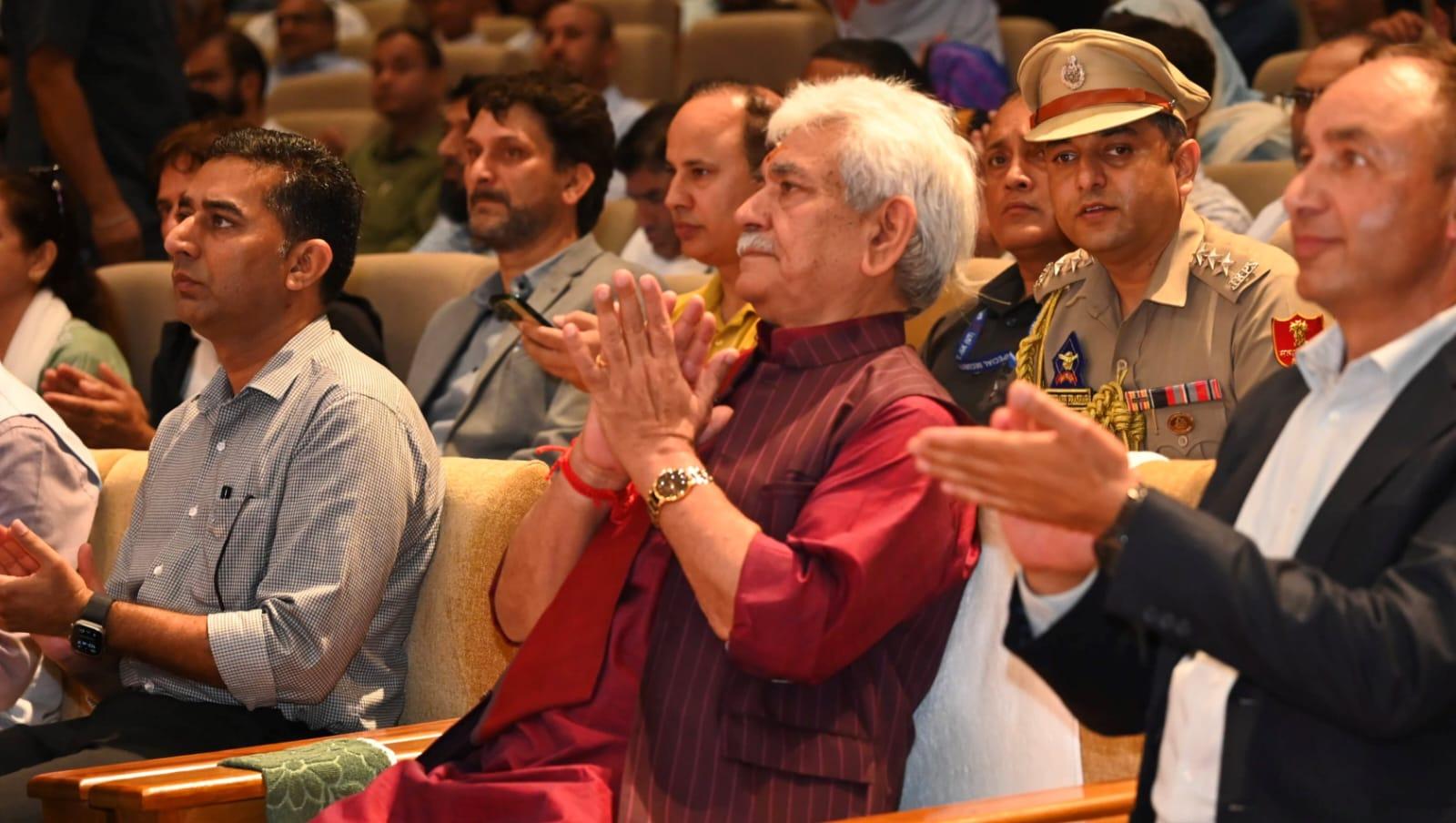
The occasion was the national rollout of the Nasha Mukt Yuva for Viksit Bharat Sankalp Abhiyan, a 100-week campaign flagged off virtually by the Prime Minister to youth gatherings across the country. In J&K, the Department of Youth Affairs & Sports anchored the event, and Lieutenant Governor Manoj Sinha used it to announce the UT's own rehabilitation-and-reintegration scheme for 2026.
What would the scheme actually do?
The design, as described, is built around a chain rather than a single intervention — the recognition that getting clean and staying clean are two different problems:
Treatment and counselling for those in the grip of addiction;
Education support to bring people back into study;
Skill development and employment, so that recovery leads somewhere;
Long-term rehabilitation and social reintegration, so a recovered person is not pushed back to the same corner they left.
That last piece is the one usually missing. Plenty of programmes detox a person and then return them, jobless and stigmatised, to exactly the environment that started the cycle. A scheme that explicitly names skilling and employment as part of rehabilitation is, at least on paper, trying to close that gap.
Where does it start?
Rather than a blanket UT-wide launch, the scheme is to be piloted in one worst-affected district in each of the Jammu and Kashmir divisions — a test-and-scale approach. For Jammu-division readers, that means the mechanics, the treatment tie-ups and the skilling partners will be worked out close to home before any wider rollout.
Why the youth framing is not just a slogan
The campaign around the scheme leaned heavily on students and young people — Cluster University of Jammu, for one, mobilised a large campus turnout for the launch. That is deliberate. Substance abuse in the region is overwhelmingly a young person's crisis, and the earlier 100-day Nasha Mukt J&K Abhiyan (roughly mid-April to late July 2026) had already pushed awareness drives through colleges and communities. The new scheme is meant to be the next step: from awareness to actual recovery infrastructure.
What to watch for next
An announcement is a promise, not a programme. The details that will decide whether this helps a 22-year-old in Jammu are the ones still to come: which districts are chosen, which de-addiction centres and hospitals deliver the treatment, which skilling schemes plug into the employment leg, and how someone — or their family — actually enrols. Those are worth tracking as the scheme moves from launch to ground.
For now, the honest summary is this: J&K has committed, for the first time, to treating drug-abuse recovery as a full journey — medical, educational and economic — rather than a one-off detox. Whether it delivers depends entirely on the fine print that follows. We will follow it as it lands.
Sources: Kashmir Reader, Kashmir Indepth, JK Monitor.