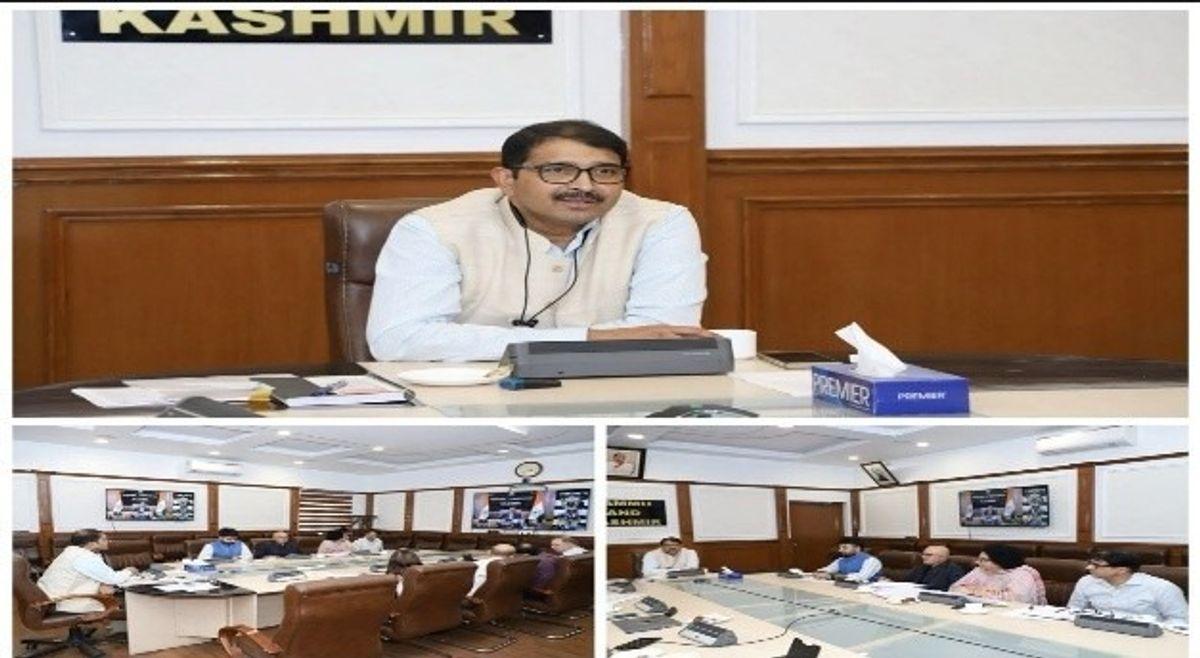
A UT-level story with a Jammu buyer's stake: the next time you pay for a Pashmina or Sozni shawl, a government lab in Srinagar may be what separates the genuine article from an imitation. The Pashmina Testing and Quality Certification Centre (PTQCC) at the Craft Development Institute reports a sharp rise in testing of Geographical Indication (GI) products, including Kashmir Pashmina, Kani and Sozni-embroidered shawls, according to a spokesperson for the Handicrafts and Handloom Department, Kashmir.
The figures
- 2024-25: 13,369 tests, 40-45 a day.
- 2025-26: 22,351 tests, 75-85 a day.
- 2026-27: about 21,000 so far, with about 21,000 more projected from November to March 31, 2027, a total near 42,000.
- Daily capacity has risen from 40-45 tests in 2024-25 to around 170 in 2026-27.
What the lab uses
A Scanning Electron Microscope and two high-resolution digital microscopes are installed in the Pashmina laboratory. An OFDA 2000 fibre analyser and another digital microscope are being procured under the CAPEX programme. Staff are being trained at the Wool Research Association in Thane, Maharashtra, which the department expects to allow additional testing teams.
What changes for artisans and buyers
GI-authorised users submitting hand-spun, hand-woven Sozni-embroidered Pashmina get preferential treatment. An in-house online appointment token system for all department labs is expected to launch soon on a pilot basis. The department says the expansion should strengthen authentication, protect artisans and weavers, and build buyer confidence in genuine GI-tagged products.
The report does not give the prices, pass rates or how many samples failed, so it cannot say how common fakes are. Its figures are the department's own.
Source: The Tribune, 29 October 2026.