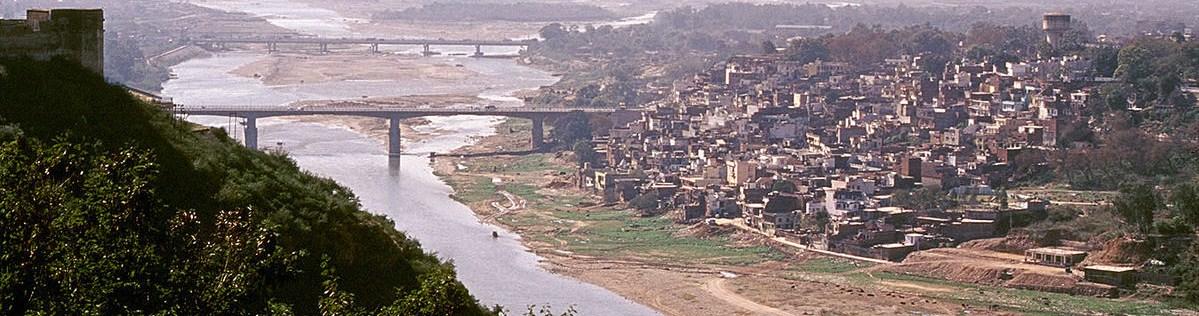
Every Jammuite has a Tawi story, even if it is just the view from a bridge on the way to college. The river splits the city into old and new, gives Jammu its skyline, and quietly anchors its identity. Which is exactly why its condition should bother us more than it does — and winter, when the flow drops, is when the problem becomes hardest to ignore.
What the low water reveals
Studies of the Tawi as it passes through the city have repeatedly flagged a degraded, polluted stretch, with a meaningful share of water samples testing unfit for drinking and high levels of microbial contamination. The named culprits are depressingly familiar: major sewage drains emptying into the river, solid waste dumped along the banks, and runoff washing in from the catchment. In the lean winter months, with less water to dilute it all, the strain on the river simply shows up more starkly.
The small things are not nothing
It is easy to file this under someone else's job — and yes, the heavy lifting of sewage treatment and waste management sits with civic agencies. But the everyday inputs add up, and a few of them are entirely in our hands:
- Stop treating the banks as a bin. The single biggest visible insult to the Tawi is casual littering after picnics, processions and festivals.
- Skip the riverside immersion of plastic and painted waste where cleaner alternatives exist.
- Show up for clean-up drives. Student and volunteer groups periodically organise bank clean-ups; an hour of your weekend genuinely helps, and it changes how you see the river.
A river worth the effort
A clean, living Tawi is the difference between a city that loves its river and one that has turned its back on it. An environment-club volunteer in the city said the hardest part is not the cleaning but the caring — once young people start noticing the river, they stop trashing it. This winter, on your next walk across a bridge, look down properly. The Tawi made Jammu. The least we owe it is to stop making it worse.
%2Fgreater-kashmir%2Fmedia%2Fmedia_files%2Fwp-content%2Fuploads%2F2025%2F08%2FAssembly-J-K-e1755833571261.jpg&w=3840&q=75)