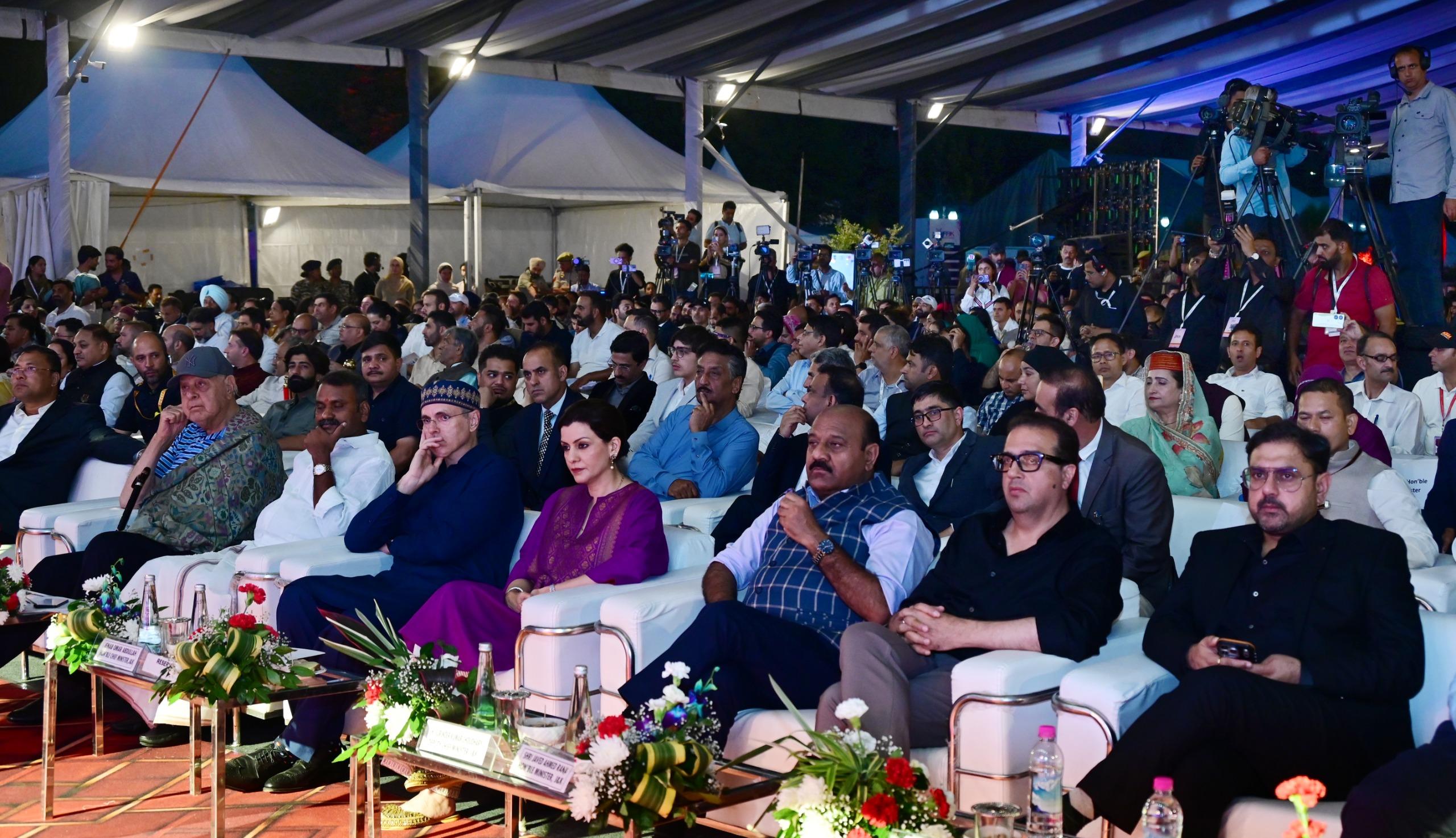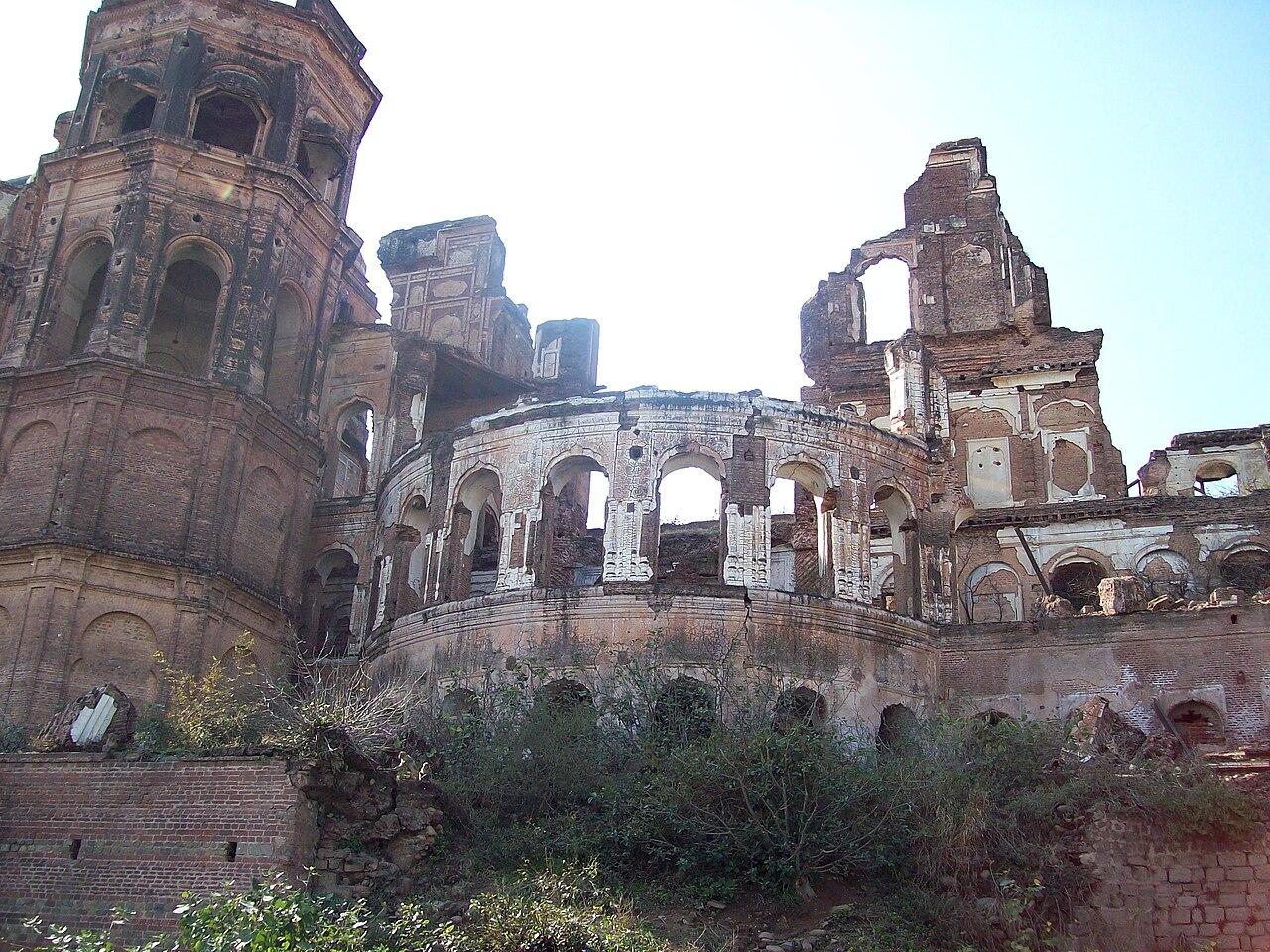
For most of June, a travelling company of artists turned the road from the plains into the mountains of Jammu and Kashmir, performing in town after town as part of the Sanskritik Yatra–Sindhu Darshan Festival. By the time the caravan reached Jammu and then the river-cut gorges of Ramban, it had become one of those rare cultural events that does two things at once — it entertains a local crowd on a warm evening, and it quietly redraws the map of where Jammu sits in the country's, and even the region's, cultural imagination. This was not a one-off concert. It was a statement.
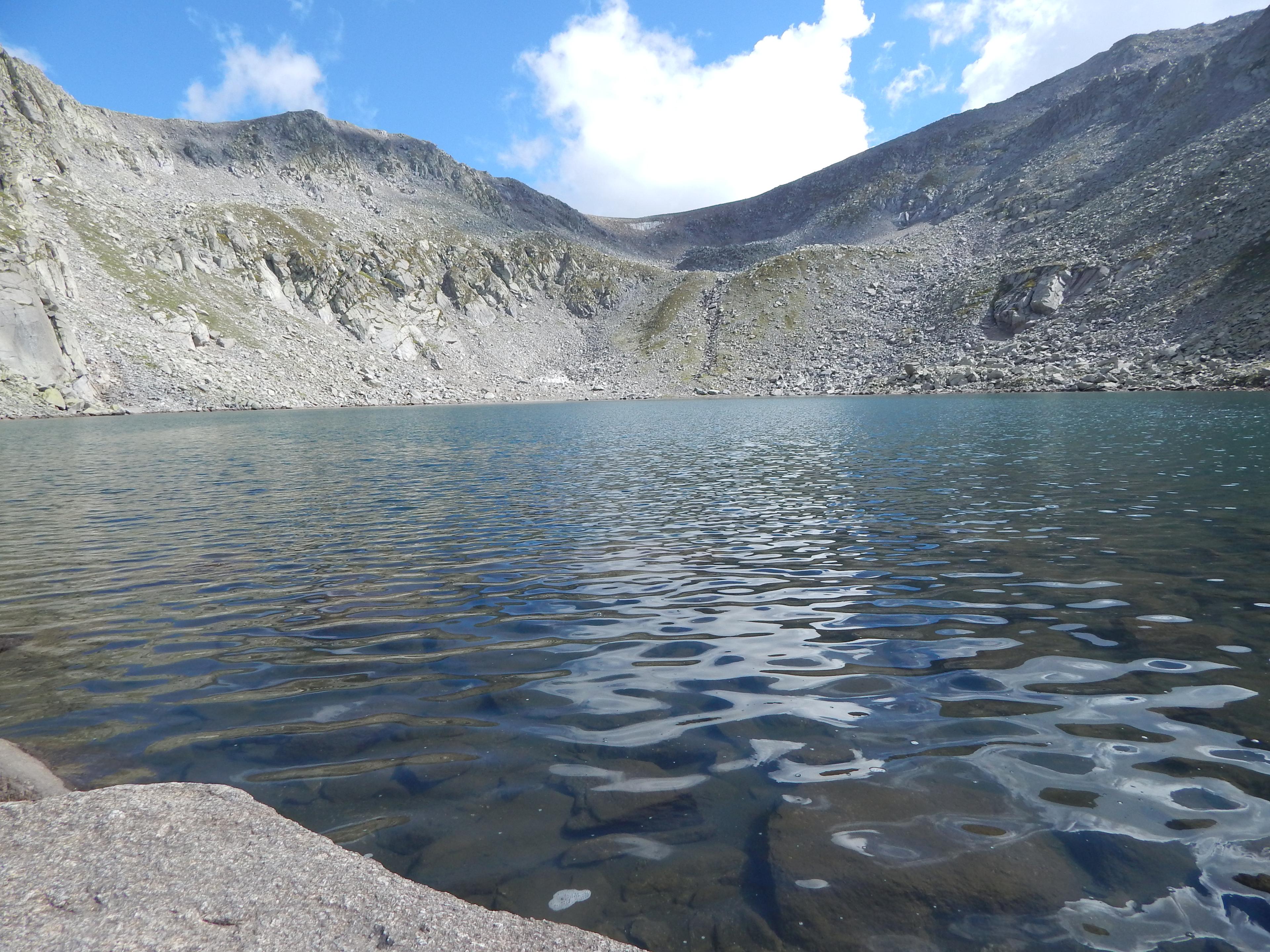
Organised by the Jammu & Kashmir Academy of Art, Culture and Languages (JKAACL) in collaboration with the North Zone Cultural Centre (NZCC), Patiala, the yatra is a moving festival rather than a fixed venue. The caravan winds its way north over roughly three weeks, stopping in towns along the route before culminating in the high-altitude Sindhu Darshan celebrations on the banks of the Indus in Ladakh. Jammu and Ramban are not afterthoughts on that itinerary; they are marquee stops, the places where the plains hand the festival over to the hills.
A stage that stretches from Manipur to Colombo
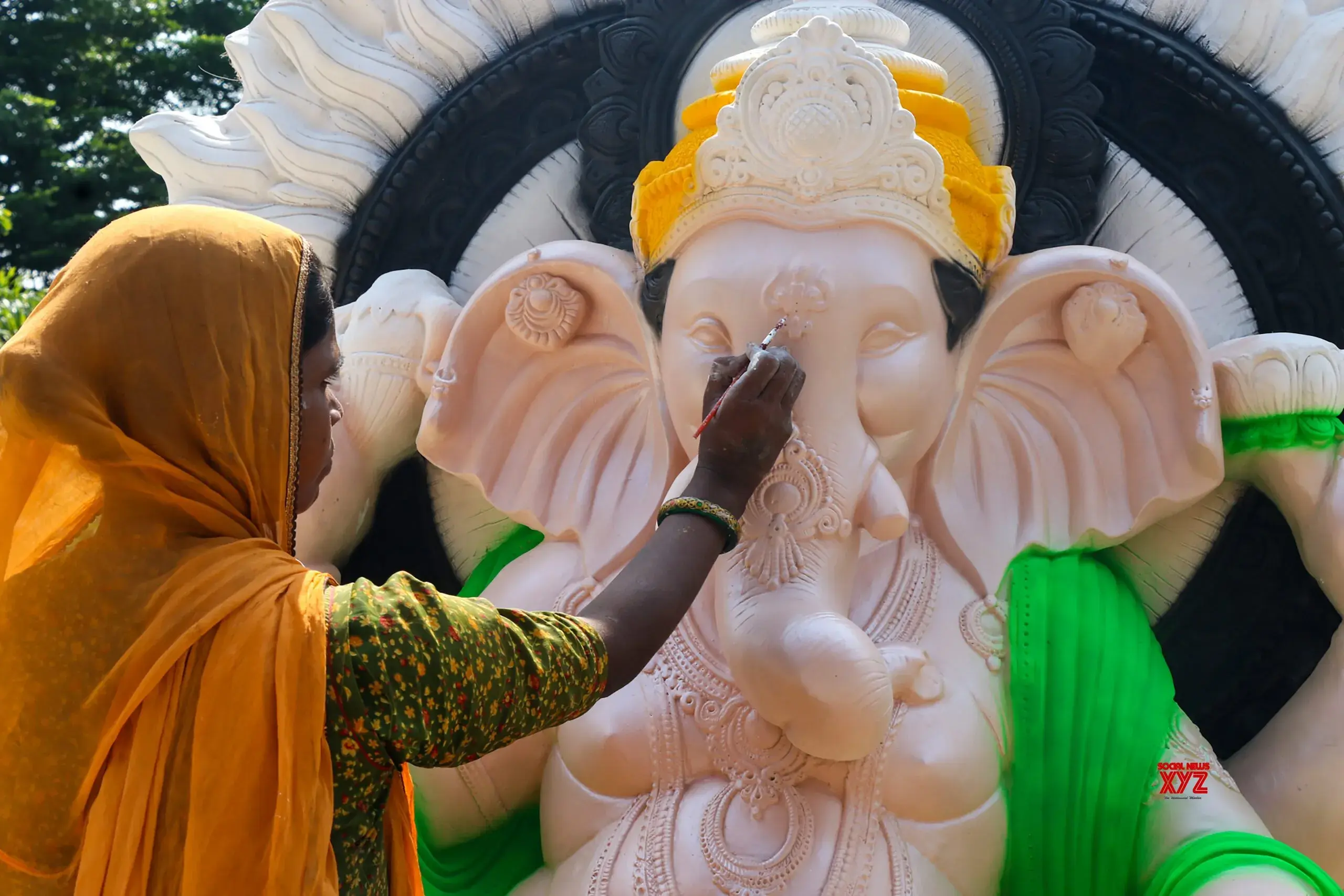
What gives the programme its texture is sheer geographic spread. Across the tour, audiences saw folk forms travel hundreds of kilometres from home: the graceful Lai Haraoba of Manipur, the spinning Dandia Raas of Gujarat, the devotional Gondhal and earthy Lavni of Maharashtra, Odisha's acrobatic Goti Pua, the swirling skirts of Rajasthan's Kalbelia, the thunder of Punjabi Bhangra, and — on home turf — the Dogri and Kashmiri forms that the local crowd knows in its bones. For a young person in Jammu who has never travelled beyond the north, an evening like this is a compressed tour of the country, performed live and for free.
And then there is the detail that lifts the festival from national to international: the participation of visiting Sri Lankan artists. The Sindhu Darshan celebrations have long carried a thread of cultural diplomacy, drawing performers from beyond India's borders to share a stage with its folk traditions. The presence of an island-nation troupe on a Jammu circuit is exactly the kind of quiet soft power that changes how a place sees itself. Suddenly the question is not "what is Jammu's culture" but "who is Jammu in conversation with" — and the answer, this June, stretched all the way to Colombo.
Culture as diplomacy, and as defence
It would be easy to read a folk festival as pure spectacle, but the organisers have been explicit that this one carries a message. The yatra has been threaded through with a campaign against drug abuse, with performers and hosts framing the celebration of shared heritage as a counter-narrative to the despair that fuels addiction. The logic is gentle but real: a generation that feels connected to something larger — a tradition, a community, a country, a region of nations — is a generation with more to hold on to. Folk dance is not usually pitched as public health, but in the Chenab belt this June, that is part of what it was being asked to do.
The diplomacy runs in two directions. Outward, the festival places Jammu on a cultural circuit as a host city rather than a stopover. Inward, it tells the city's own young that the heritage on their doorstep — the Dogri folk forms, the pilgrimage routes, the riverside the Indus celebrations honour — belongs on the same stage as traditions from across the country and beyond. That reframing matters in a place too often written about for everything except its art.
Why the young should care
There is a temptation, common to every city's youth, to assume that the "real" cultural action is always happening somewhere else — in a metro, on a screen, behind a ticket you cannot afford. The Sanskritik Yatra is a useful corrective. Here was an international-flavoured, multi-state festival staged in Jammu and Ramban, accessible to anyone who turned up, requiring nothing but curiosity and an open evening. The students who came out were not spectators at someone else's culture; they were the audience the whole caravan had travelled to reach.
It also models something the city could use more of: cultural events designed as journeys rather than as single nights. A festival that moves through towns builds a kind of momentum a stationary show cannot, gathering crowds, performers and stories as it climbs. If JammuBeat readers take one thing from this year's edition, let it be the instinct to follow these caravans when they pass — to treat the visiting troupe from another state, or another country, as a window briefly opened onto a wider world.
The festival will fold up its stages and continue north toward the Indus, as it does every year. But for a few warm evenings, Jammu and Ramban were not the edge of anything. They were the meeting point — where Manipuri drums, Rajasthani skirts and Sri Lankan rhythms shared the same patch of mountain air, and where a youth city got to watch its own name placed, however briefly, on a map far bigger than the one it usually draws for itself.
Field note: the best seat at a travelling festival is wherever it stops next. When the caravan rolls through, go — the performers came a very long way to find you.