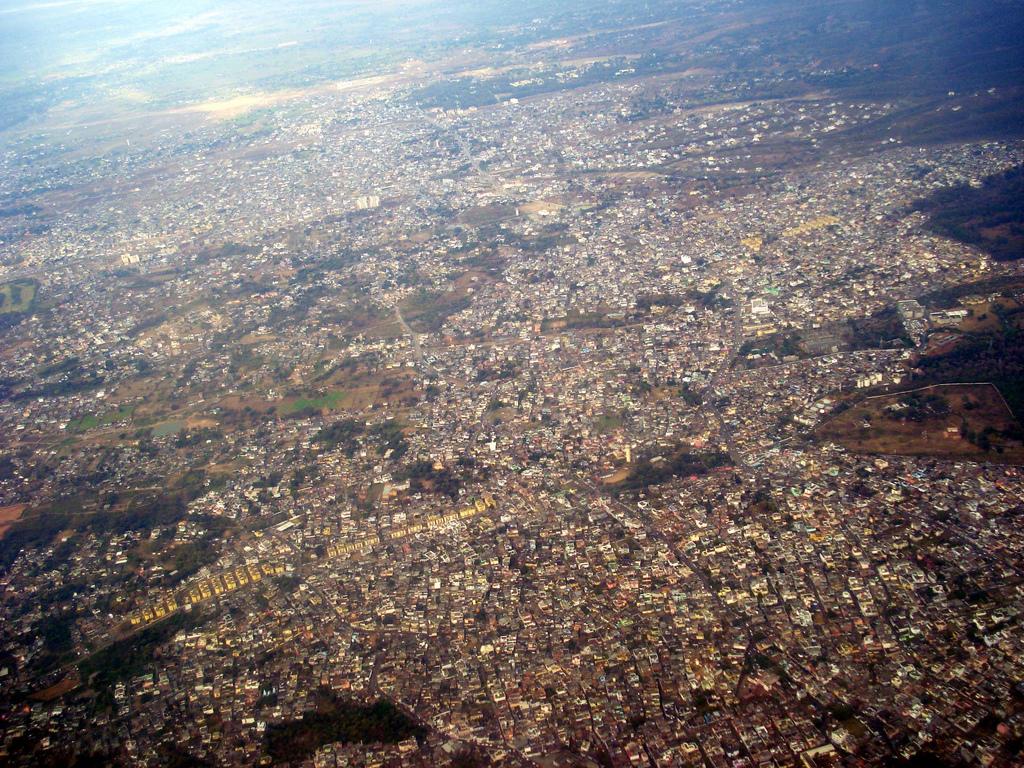
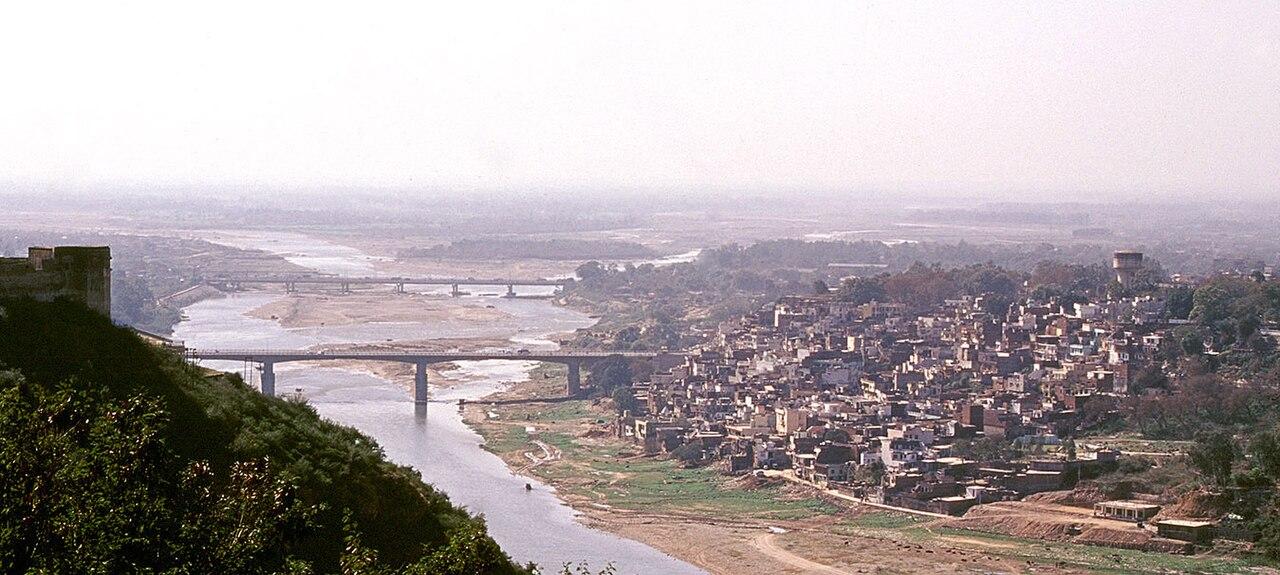
3.29 million tonnes. That is what the Geological Survey of India's most recent stage of work, in field season 2025-26, added to the count of lithium-bearing aluminous laterite across a 4.18 sq km patch of Reasi district. It sits on top of the 5.9 million tonnes an earlier, coarser survey had already flagged between 2020 and 2022.
Those two numbers have been doing a lot of work in headlines since 2023, usually attached to a claim about Jammu and Kashmir powering India's electric vehicles. The actual position is less cinematic and a good deal more interesting, and this month it moved again: exploration has restarted in the Jangalgali and Panasa areas for field season 2026-27, and the blocks are being lined up for auction for the third time.
What the survey stages actually mean
Mineral exploration in India is graded G4 to G1, from least to most certain. G4 is reconnaissance — a first look. G3 is preliminary exploration, which produces an inferred resource: a real estimate, but a loose one. G2 is general exploration, which tightens it. G1 is detailed exploration, the stage at which a mine can actually be planned.
So the 5.9 million tonnes from 2020-22 was a G3, inferred figure. The 3.29 million tonnes from 2025-26 is a G2 figure over a specifically mapped 4.18 sq km. These are not the same kind of number, and stacking them into one headline total is the most common error made about this story. A resource is not a reserve, and a reserve is not a mine.
The two blocks, and what is being offered
There are two parcels on the table:
Salal-Haimna — 4.18 sq km, proposed for a Mining Lease.
Kotla — 1.5 sq km, proposed for a Composite Licence, which bundles a prospecting stage with a mining lease if the prospecting works out.
Both carry lithium, titanium and aluminous laterite. The aluminium and titanium content is not a footnote — in a laterite deposit those associated metals materially affect whether extraction pays.
Why the first two auctions failed
The Ministry of Mines has put the Reasi lithium up for auction before, and it did not go well. The first attempt drew a poor response and was scrapped. A subsequent round was annulled for want of bids. When bids were finally opened in 2024, only two bidders qualified, and preferred bidders were announced.
The reasons are not mysterious. Lithium in laterite is technically harder to process than lithium in brine or hard-rock spodumene, the two sources that dominate global supply. Bidders were also being asked to commit at an inferred-resource stage, in mountainous terrain, without the detailed drilling that would tell them what extraction actually costs. The G2 work now completed is precisely the kind of thing that reduces that uncertainty.
The blocks are to be included in the Ministry of Mines' 8th tranche critical-minerals auction during financial year 2026-27.
Where this sits in a much bigger programme
Reasi is one small piece of a national push. At the 65th meeting of the Central Geological Programming Board on 21 January 2026, GSI presented a field season 2026-27 action plan running to 1,068 scientific projects, of which 236 are formulated specifically for critical mineral exploration. G3-stage work is up 46 per cent, which GSI describes as a shift toward outcome-oriented, resource-bearing exploration.
In other words, the Reasi survey is not a one-off gesture toward a famous headline. It is part of a systematic national sweep for the minerals that batteries, magnets and semiconductors need.
What this is worth to you if you study here
This is the part that rarely gets written. If you are doing geology, earth sciences, mining, metallurgy or environmental science anywhere in the Jammu region, an active GSI field programme 60-odd kilometres from the city is a live professional landscape, not a news item.
Concretely: GSI field seasons employ field geologists and technical staff; critical-minerals work is one of the better-funded areas of Indian geoscience right now; and laterite-hosted lithium is genuinely under-researched, which is exactly the condition in which a postgraduate dissertation can be original rather than derivative. A peer-reviewed paper on lithium mineralisation in the Salal-Haimna bauxite has already appeared in the international literature — the subject is academically live.
The honest caveat: none of this is a job announcement. Exploration is not mining, no lease has been awarded, and even a successful auction would be followed by years of further work before anyone digs anything commercially.
The other half of the mining story
Alongside exploration, the regulatory side has been under review. The J&K Legislative Assembly's Committee on Environment met on 6 August 2026 to assess the functioning of the Geology and Mining Department, and pressed for tighter enforcement against illegal mining — GPS tracking of mineral-carrying vehicles, e-permits, e-challans and the Unified Mining Portal. The committee's stated position was that technology and satellite surveillance should be the first line of defence.
That is a separate issue from lithium, which is not being extracted by anyone at present, but it is the same department and the same statute book, and it is where most of the actual day-to-day mining in the region sits.
What to watch
Whether the 8th tranche auction is notified within FY 2026-27, and whether it draws more than two qualified bidders this time.
The outcome of the current field season's work at Jangalgali and Panasa.
Any move from G2 to G1 detailed exploration — the real signal that a mine is being seriously contemplated.