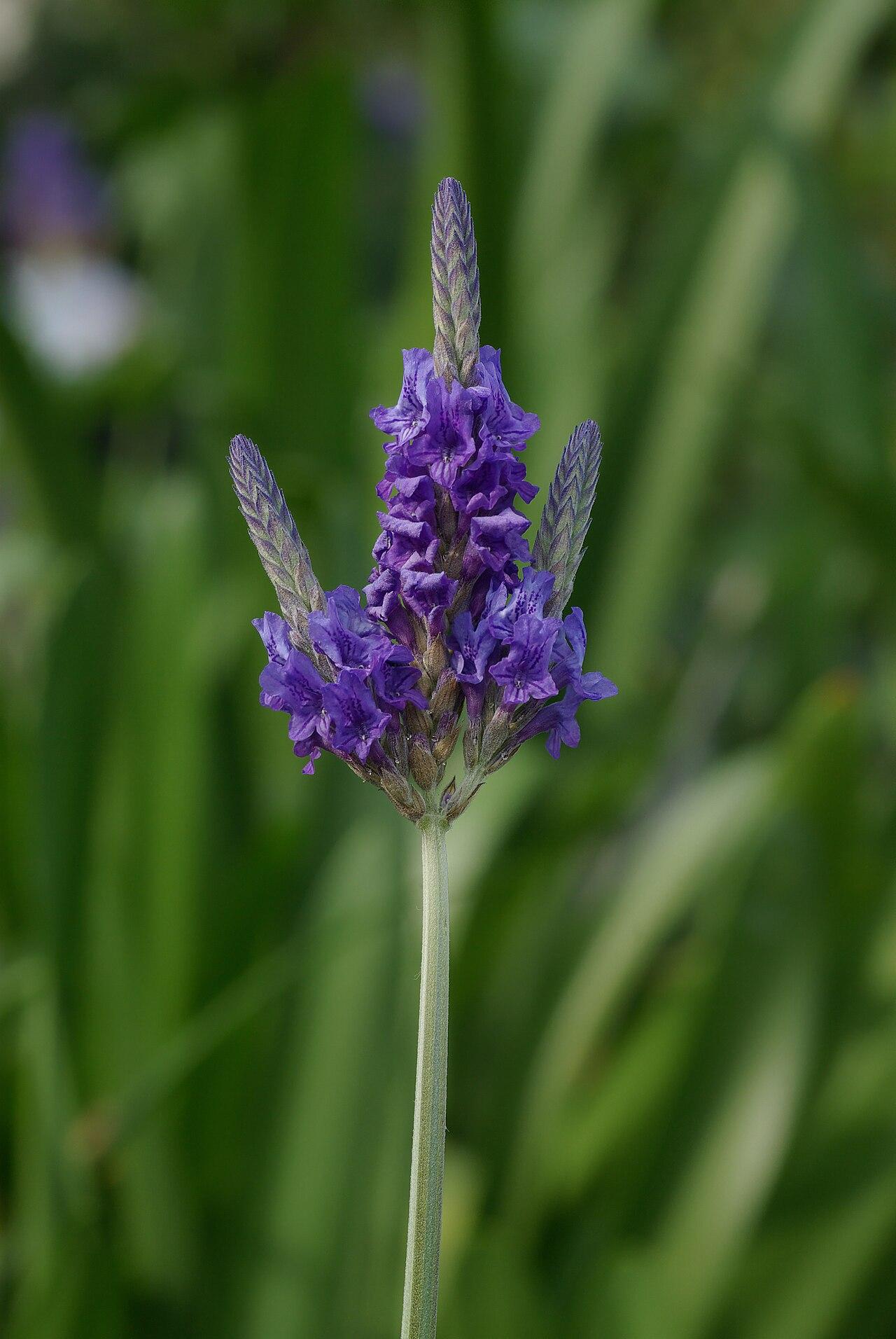
Behind every photogenic field of purple in the Chenab Valley sits a quieter, more interesting story: people turning that flower into a business. Jammu's startup conversation increasingly runs straight through lavender, and for young founders it is one of the most tangible 'made here' opportunities going.
The driver is the region's Purple Revolution — the lavender push that moved the crop from experiment to livelihood. Around it, an ecosystem has grown: distillation of essential oils, value-added wellness and fragrance products, buyer-seller linkages, and the startup showcases that flagship events like the Bhaderwah lavender festival now put front and centre, with students, entrepreneurs and agri-business stakeholders all in the room.
Why it suits young founders
Lavender is an unusually friendly first venture. The raw material is local, the story sells itself, and the path from farm to product is short enough to actually grasp — grow or source, distil or formulate, brand, sell. For a student or first-time entrepreneur, that is a far gentler on-ramp than chasing a purely digital idea against deep-pocketed competition.
The best startup ideas are often the ones growing in your own backyard. Sometimes literally.
Where the gaps are
The most interesting openings sit at the value-addition end of the chain, not the farming end. The lavender itself is well established; what a young venture can own is everything that happens after the harvest — clever packaging, honest branding, wellness and fragrance formulations, online sales, and tourism tie-ins that turn a visit to the fields into a sale. Solve even one of those problems well and you have a real, defensible niche.
Getting in
The way in is to show up where the ecosystem gathers. Attend the festivals and buyer-seller meets, talk to the growers and the institutions backing the mission, and listen for the problems people keep complaining about — those are your business ideas, handed over for free. The flower is already famous. The opportunity now belongs to whoever turns that fame into a product, and there is no reason at all that founder cannot be a twenty-two-year-old from Jammu.
