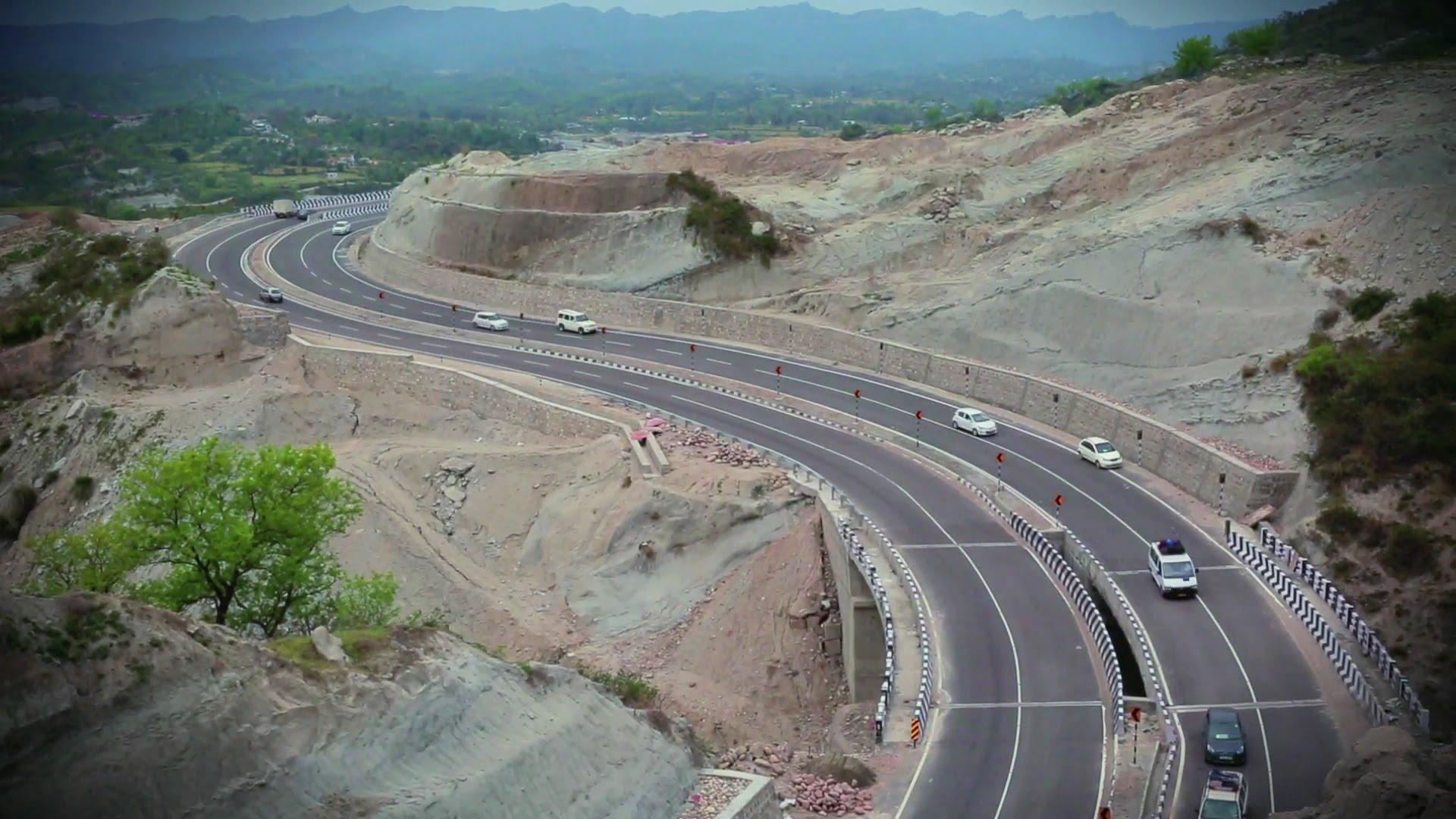
For anyone who has ever felt their scooter shudder into a crater on the way to college, the Jammu Municipal Corporation has, at last, something that sounds like science fiction and behaves like common sense. The civic body has put on the road a fleet of municipal vehicles fitted with AI-enabled cameras that quietly film the city’s streets, automatically spot potholes and surface damage, pin their exact location with GPS, and fire off a digital report to the engineers who have to fix them. Paired with it is a roughly Rs 1.3 crore machine that patches those potholes using a cold-emulsion mix designed to hold even when the skies open. After years of the same monsoon ritual — roads dissolving, complaints piling up, repairs arriving late — this is a genuinely different way of running a city’s streets, and it has landed at exactly the right moment.
The timing is the tell. With the monsoon closing in and the Shri Amarnath Ji Yatra turning Jammu into the pilgrimage’s busy front door in the weeks ahead, the city cannot afford the usual cycle of craters and crisis. So the corporation has flipped the logic: instead of waiting for roads to break and residents to complain, it is going looking for the damage before the rain does.
How the camera car actually works
Strip away the buzzwords and the system is elegantly simple. A municipal vehicle, mounted with smart cameras, drives the city’s road network as part of its routine. The AI watches the footage in real time and flags defects on its own — no inspector squinting at a windscreen, no ward officer waiting for a phone call. Each flagged pothole is geo-tagged and logged, so the repair team gets not a vague grievance about “the road near the market” but a precise pin on a map and a digital record that can be tracked from detection to fix.
What makes the platform more than a pothole-spotter is its range. The same AI has been trained to catch a whole catalogue of civic problems: roadside garbage, overflowing dustbins, waterlogging, open manholes and drains, damaged pavements, faded road markings, illegal parking, encroachments, stray cattle and dumped construction waste. In effect, the city has given itself a tireless, unblinking field inspector that works every shift and files perfect paperwork — the patient, repetitive watching that humans are bad at and machines are built for.
Why cold-emulsion patching is the quiet hero
Detection is only half the story; the repair is the part residents actually feel underfoot. Here the corporation’s answer is the cold-emulsion patching machine, and its real advantage is in the word cold. Conventional hot-mix road repair needs heated material and tends to sulk in wet conditions — which is precisely why so many monsoon patches wash out within weeks. Cold-emulsion technology is engineered for faster, more durable, all-weather restoration, letting crews fill a pothole and move on without waiting for a dry window that a Jammu July rarely offers.
The practical effect, as a JMC official put it, is to shrink the gap between identifying a defect and actually repairing it — and to improve road safety, riding comfort and the resilience of the surface through the monsoon. That is the unglamorous heart of the upgrade. A pothole spotted on Monday and patched on Wednesday is a different city from one where the same pothole grows all season while a complaint travels through a file. Speed, here, is the whole point.
A smart-city leap, with eyes open
It is worth naming the bigger shift this represents. For a long time, “smart city” in India meant glossy dashboards and pilot projects that never touched the average commuter’s day. This is the opposite: an unsexy, deeply practical use of technology aimed squarely at the most universal urban grievance there is. The initiative has been driven under JMC Commissioner Dr Devansh Yadav as part of a more proactive, data-led approach to civic maintenance — fix the problem before it festers, rather than after the city is already angry about it.
For the young residents this magazine writes for, there is something quietly hopeful in that. A generation that has learned to expect broken infrastructure as background noise is being shown a version of local governance that is anticipatory rather than apologetic. The AI does not care about VIP routes or which ward shouts loudest; it logs the pothole on your lane with the same indifference it logs one outside the Secretariat — civic attention distributed by data rather than by influence.
None of this means Jammu’s roads will be flawless by Friday. Any technology is only as good as the budget, staffing and will behind it, and the honest test is whether the camera car still rolls and the patching machine still runs a year from now, long after the launch coverage fades. Cameras can detect a thousand potholes; somebody still has to fund and dispatch the crews to fill them. But the architecture is sound and the intent is right. The city has stopped waiting for the rain to tell it where the holes are.
So the next time a municipal vehicle drifts past with an unfamiliar camera rig on its roof, do not assume it is filming you. It is reading the road — building, frame by frame, a live map of everything Jammu needs to fix before the monsoon and the Yatra arrive together. It is, in the most literal sense, the city finally learning to see itself.
The shift in one line: Jammu has stopped repairing roads by complaint and started repairing them by data — and the rain no longer gets the last word.