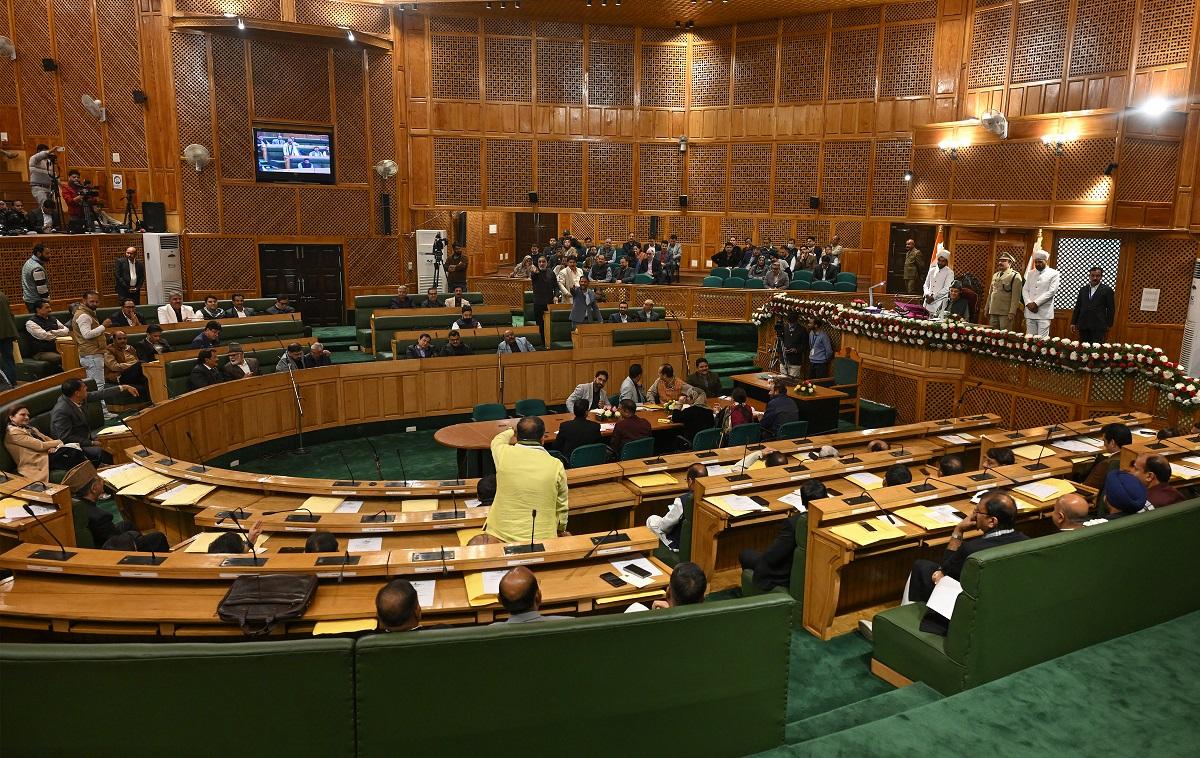
Starting with the autumn session that convenes in Srinagar on September 21, paper is being phased out of how the Jammu and Kashmir Legislative Assembly does business. A circular issued on September 1 by Achal Sethi, Commissioner/Secretary to the Government, Department of Law, Justice and Parliamentary Affairs, directs every administrative department to route its Assembly-related work — replies to MLA questions, bills, amendment notices, assurances — exclusively through one digital portal: the National e-Vidhan Application, or NeVA.
What is NeVA?
NeVA is a Ministry of Parliamentary Affairs platform meant to make state legislatures paperless, and J&K is one of several states rolling it out. The state's own project was approved in January 2025 at a cost of roughly Rs 16 crore, with the Centre funding it in full for the first three years. J&K first used it in a limited way — for cut-motion replies only — during this year's budget session (February–April) in Jammu. Then-Assembly Speaker Abdul Rahim Rather had signalled the fuller switch was coming, saying in January: "Partially, we will begin work from the (2026) budget session but hopefully it will be fully in place from the next session." The autumn session is that next session.
What changes for departments — and what doesn't
Every administrative department must now hold and check a NeVA login daily, and each has been asked to name a Nodal Officer to coordinate its Assembly-related filings on the portal. Questions MLAs have already tabled for the session — eight per member, split between four starred and four unstarred — have reportedly already been routed to the concerned departments with NeVA login credentials issued alongside them. The September 1 circular's own language sets the tone: departments are to "make necessary arrangements before commencement of the Assembly session to ensure smooth transition to the electronic system and avoid any delay in Legislative business."
What doesn't change is the substance of what the Assembly does — the questions, bills and debates themselves. NeVA is a filing and workflow system, not a change to legislative procedure, and it carries no direct fee, form or process for the public to navigate. Its case, as made by the scheme nationally, is efficiency and transparency: less paper shuffled between departments and the Assembly Secretariat, and a searchable digital record of what was asked, answered and passed.
The session itself
The Lieutenant Governor summoned the autumn session on August 12. MLAs' deadlines for this round were August 25 for questions and September 5 for bills and resolutions (one bill and two resolutions each). The session is expected to run 10–12 days across 7–8 sittings — J&K's Assembly is constitutionally required to sit at least once every six months, and the previous (budget) session ended April 4, so the autumn sitting had to fall before October 4.
Sources: Daily Excelsior, Greater Kashmir, Northlines.
