When Jammu city sizzles past 40 degrees, the heat stops being a talking point and becomes a public-health reality. This year's hot spell has done what every Jammu summer eventually does: turned the abstract language of conservation into a question of survival — for people, for the Tawi, and for the green cover that keeps the plains liveable.
The civic response shows up in two familiar forms each May and June. One is heat-wave awareness — advisories to avoid the harsh midday sun, stay hydrated and check on the elderly, the very young and outdoor workers who cannot simply step into the shade. The other is the longer game of conservation: protecting the rivers and groundwater the city leans on hardest exactly when supply is tightest.
The Tawi, and the volunteers who watch it
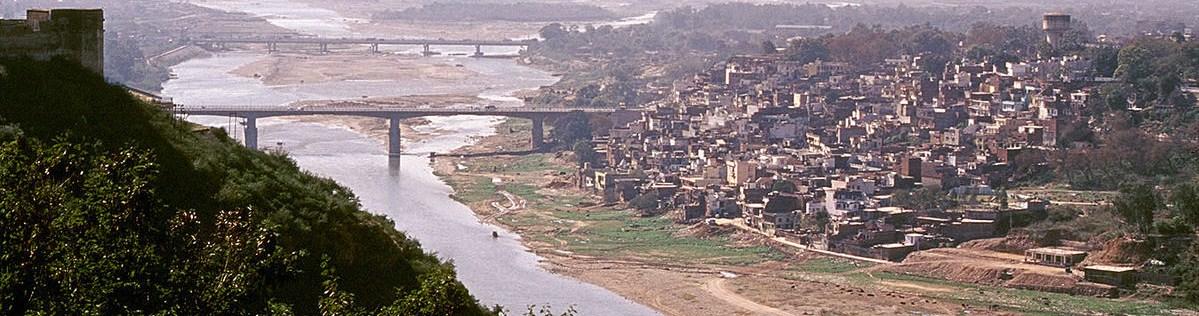
No conversation about water here skips the Tawi. The river is both lifeline and warning sign, and it has drawn a small but persistent community of volunteers working to clean and protect it. Their message lands harder in a heat-wave month: a river treated as a drain in good times has nothing left to give in a bad one.
Plant now, shade later
The season's other reflex is the spade. Plantation drives — including efforts along the Tawi riverfront and through the urban forestry network — recur every year, often under campaigns that frame each sapling as a personal act rather than a bureaucratic one. The logic is simple and slow: the tree planted in a brutal June is the shade somebody sits under a decade from now.
You cannot air-condition a city. You can only shade it, conserve for it, and look out for the people the heat hits hardest.
What young Jammu can actually do
For students and young professionals, the to-do list is unglamorous but real. Fix the dripping tap and the running overflow. Carry a reusable bottle instead of buying plastic. Check on a neighbour during the worst afternoon hours. Show up for one plantation drive and actually water what you plant. None of it makes headlines. All of it adds up.
The heat will break, as it always does. But the habits formed in the hardest weeks — using less, wasting less, watching out for each other — are what decide how rough the next summer feels. In a city this exposed to the sun, every drop genuinely does count.
%2Fgreater-kashmir%2Fmedia%2Fmedia_files%2Fwp-content%2Fuploads%2F2025%2F08%2FAssembly-J-K-e1755833571261.jpg&w=3840&q=75)