Early June in Jammu delivered two things at once: a wave of tree-planting and a wall of heat. World Environment Day, observed across the division under the campaign “Ek Ped Maa Ke Naam” — a tree in your mother’s name — brought out the familiar machinery of saplings, ceremonies and earnest pledges. Districts across the region planted in the thousands; institutions held mass plantation drives; ghats, forts and office complexes turned, briefly, into nurseries. And all of it unfolded against a backdrop the planting was implicitly arguing with — a plains summer that has grown harder to ignore.
The heat is the headline
Weather watchers flagged isolated heatwave conditions over the Jammu plains through June, in line with a seasonal outlook that warned of above-normal heat across the country’s northwest. For residents, the abstraction of “above-normal” translates into very concrete misery: scorching afternoons, strained power supply, and the daily arithmetic of staying hydrated and indoors during peak hours. The greenery being planted today is, in part, a bet against the summers of tomorrow.
And then there is the water
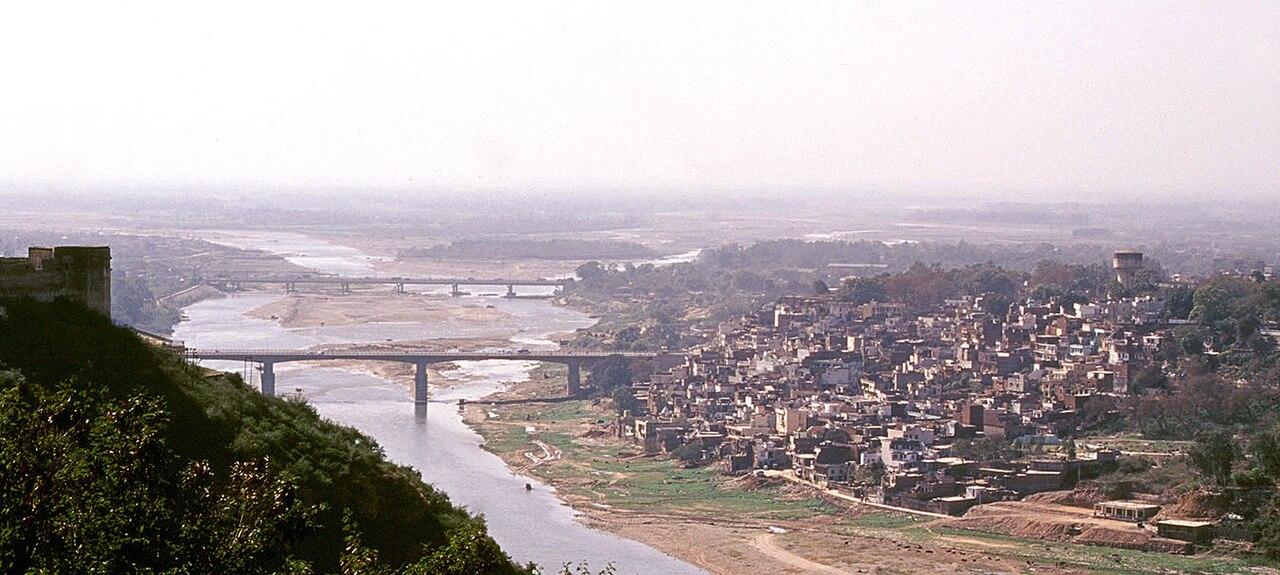
The harder, less photogenic crisis is water. As demand spiked and groundwater dipped, the administration moved on the supply side — with the Jal Shakti department directing private water-filling stations across the Jammu division to register, a small administrative step that signals a bigger anxiety about declining groundwater and erratic rainfall. Several city localities have leaned on tankers through the worst stretches, a reminder that a city drawing heavily on the Tawi can still find taps running dry when the season turns against it.
The takeaway for young residents is not despair but participation with eyes open. Plant the tree — and then water it through the summer, because a sapling abandoned in a June heatwave is just a photo opportunity that died. Treat water as the scarce resource it has quietly become: fix the dripping tap, skip the wasteful wash, and notice where your supply actually comes from. Environment Day is a single date. The heat and the water are a daily test, and Jammu is sitting it whether it studied or not.
There is something fitting about the campaign’s name, too. Tying a tree to your mother turns an abstract civic duty into something personal — and the saplings that survive tend to be the ones somebody actually feels responsible for. A city is, in the end, only as green as the number of people willing to carry a bucket in July. The ceremonies are the easy, photogenic start; the quiet, unwitnessed watering through the worst weeks is where the real environmentalism hides.
The unglamorous truth: planting a tree is the easy part. Keeping it alive through a Jammu June is the real pledge.