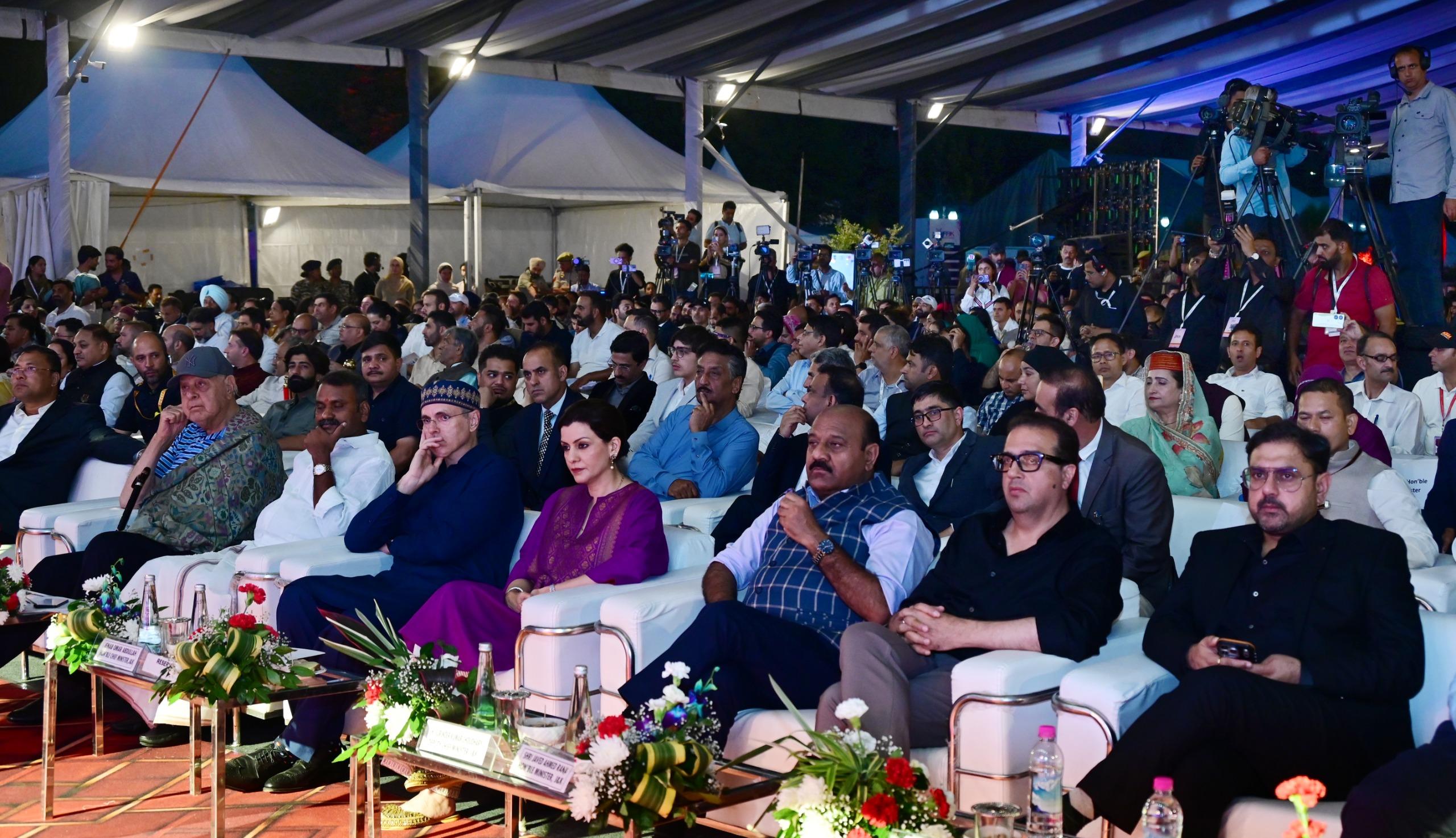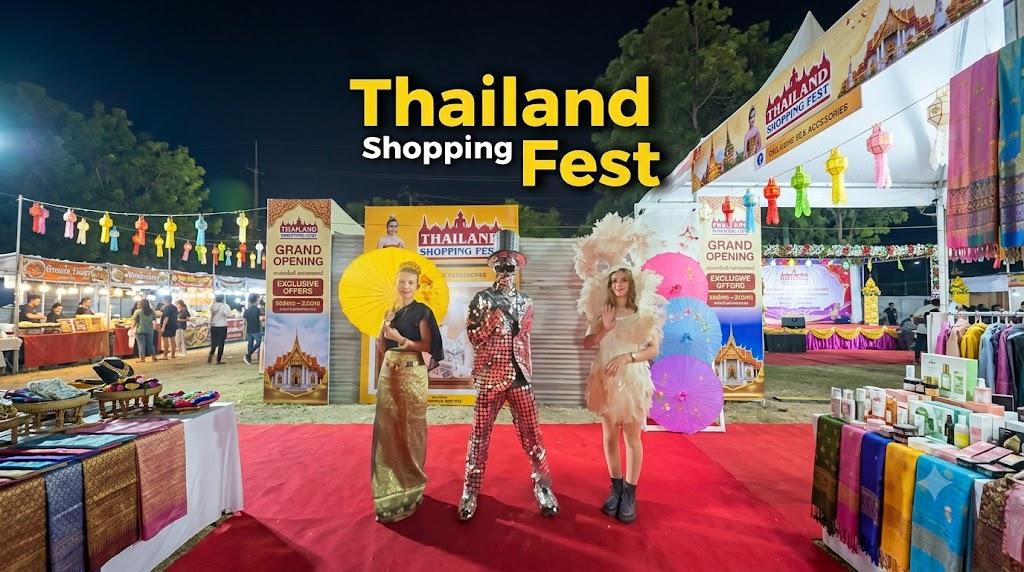
You did not need a visa this June to browse Thai handicrafts, sample foreign street food or run your hands over imported home goods. You just needed to get yourself to Bahu Plaza. A pair of pop-up retail events — an International Shopping Festival and a Thailand International Exhibition — set up stalls in the city's commercial heart, and in doing so offered Jammu shoppers a low-effort trip abroad: global products, food and crafts, all under one roof, all a short ride from home.
Bahu Plaza is the right address for it. As one of the city's established commercial and recreation hubs, it already pulls a steady crowd of shoppers, families and evening wanderers, which makes it the natural stage for the kind of festival that lives or dies on footfall. Drop an international bazaar into a place people already gather, and you get an event with built-in energy — part shopping trip, part outing, part spectacle.
More than a sale
The appeal of a travelling international exhibition is not just the merchandise; it is the sense of access. A Thailand-themed expo brings a curated slice of another country's craft and consumer culture — textiles, decor, accessories, food — to people who may never make the trip themselves. For a student or a young family, wandering stalls of foreign goods is a small, affordable taste of elsewhere, the retail equivalent of a holiday postcard you can hold. The transaction is almost secondary to the experience of browsing something genuinely unfamiliar.
These events also flatter the city, in a good way. International festivals do not set up where there is no appetite for them; organisers go where the spending and the curiosity are. The fact that global pop-ups now see Jammu as a worthwhile stop is itself a data point — a sign that the city's consumer culture has matured to the point where "international" is a draw rather than a gimmick. A decade ago, the assumption was that you travelled to a metro for this kind of thing. Increasingly, it travels to you.
The rise of the experience economy
What is really on display at these festivals is a shift in how Jammu shops. Retail is no longer only about acquiring a needed item at the lowest price; it is increasingly about the experience of shopping itself — the browse, the discovery, the outing, the photo. A festival format leans entirely into that, turning a purchase into an event and a mall concourse into a destination. It is the same instinct driving the city's cafes and weekend markets: the willingness to spend on leisure, atmosphere and novelty, not just necessity.
There is a sensible note of caution to sound. A pop-up promising "international" goods rewards the discerning shopper — check what you are actually buying, compare before you commit, and treat the festival as much as a day out as a place to spend. Browsed wisely, though, these bazaars are a genuine pleasure and a genuine convenience: a way to sample the world's shelves without leaving the city's.
The stalls will eventually be folded away and the banners taken down, as pop-ups always are. But the takeaway lingers. Jammu is now a city that the world's travelling marketplaces consider worth visiting — and a city whose shoppers are increasingly happy to meet them halfway.
Shopper’s tip: at any international pop-up, the smartest purchase is the one you would not have found anywhere else — buy the novelty, skip the things the local market already sells cheaper.