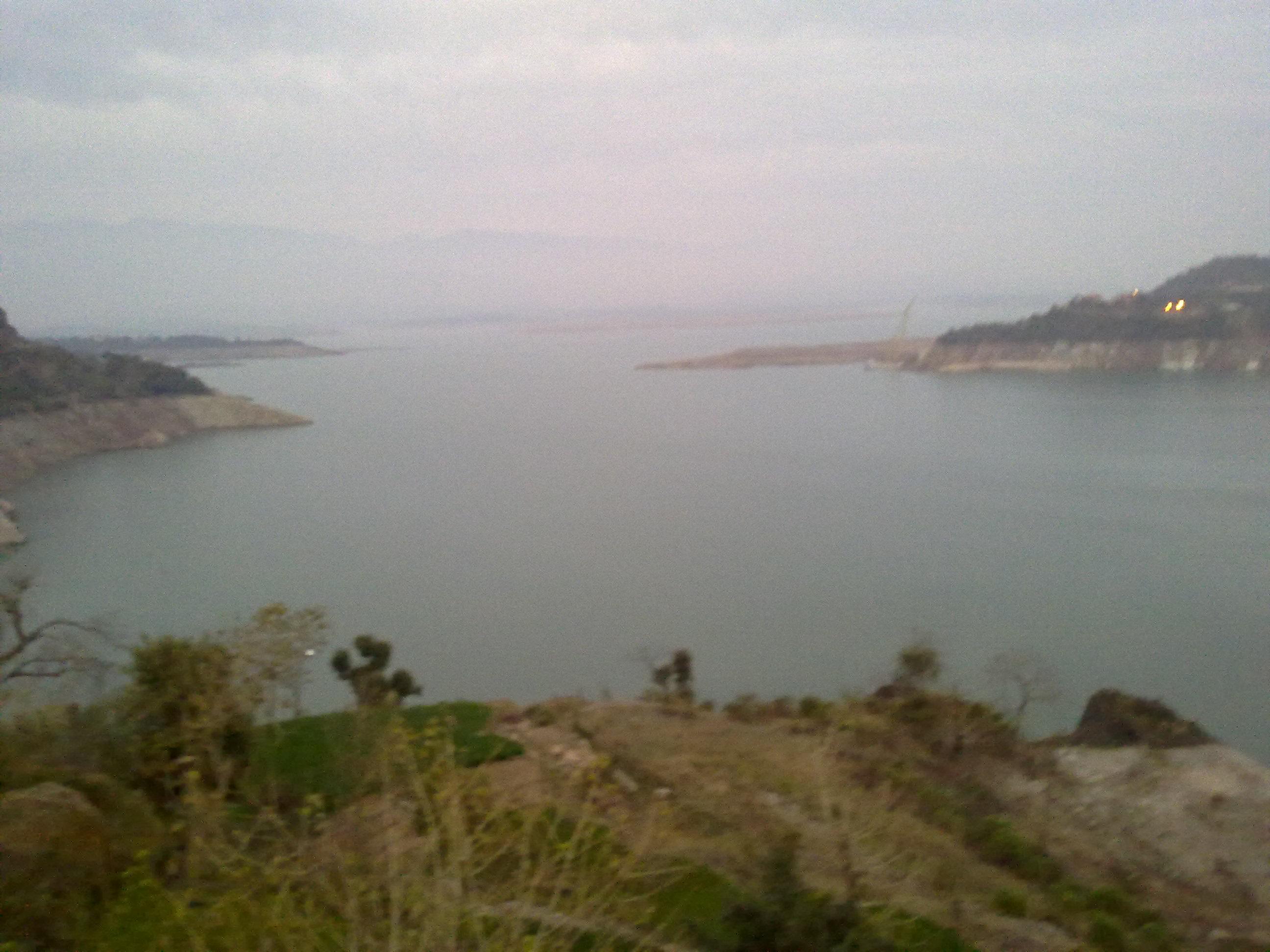
₹96.07 crore. That is the single largest line in the tourism roadmap the J&K government reviewed on 31 August, and it is not for Katra, Patnitop or the Tawi. It is for Basohli and the Ranjit Sagar Lake — a corner of Kathua district that most people in Jammu have never made a weekend plan around.
That figure tells you what the whole exercise is trying to do. Chief Secretary Atal Dulloo, chairing the review, put it plainly: Jammu "should not remain primarily a transit point for pilgrims, but evolve into a vibrant, diverse and all-season tourism destination." Add up the six named projects and you get close to ₹185 crore of proposed and approved spending, all of it aimed at giving people a reason to stop here rather than drive through.
The money, project by project
The important thing to understand before you get excited is that these projects are at very different stages. Some are sanctioned. Some are a detailed project report sitting in an inbox in Delhi. Here is where each one actually stands:
Basohli–Ranjit Sagar Lake — ₹96.07 crore. Proposed under Swadesh Darshan 2.0. The DPR was submitted on 10 August 2026. Not yet sanctioned.
Purmandal and Uttarbehni pilgrim circuit — ₹45.88 crore. DPR submitted to the Ministry of Tourism under the PRASHAD scheme. Not yet sanctioned.
Suchetgarh border outpost — ₹19.52 crore, approved. Visitor capacity goes from 1,400 to 3,000, with a VIP lounge, a fine-dine restaurant, a museum and a projector room.
Baradari river rafting, Reasi — Phase I is 45% complete and targeted for November 2026. A Phase II DPR worth ₹18 crore has been submitted.
Shivkhori — ₹5 crore approved for 2026-27, plus ₹340.58 lakh of track shelter sheds under development.
Aithem mega adventure hub — Phase I is underway; Phase II is to be explored on a public-private partnership model.
Beyond those six, officials flagged Bhaderwah, Sanasar and the Seven Lakes as emerging destinations to build up, and said two assets Jammu already has — the Tawi Riverfront and the Jammu Zoo — are being under-used.
Why 20% is the number that matters
The most revealing part of the meeting was not a project cost. It was a target set by the Additional Chief Secretary, Finance: get at least 20% of Shri Mata Vaishno Devi pilgrims to extend their stay in and around Jammu.
Think about what that implies. Millions of people already pass through Jammu every year on their way to Katra. They buy a meal, maybe a night in a hotel, and leave. The entire roadmap is a bet that if there is something to do within a two-hour drive — rafting at Baradari, a lake at Basohli, a properly built-out border viewing point at Suchetgarh — a fifth of them will stay an extra day.
An extra day is not an abstraction. It is hotel shifts, cab bookings, restaurant covers, guiding work and adventure-operations jobs. If you have ever looked at the tourism economy around Katra and wondered why so little of it lands in Jammu city, this is the government's answer to that question.
What you can realistically do first
On the current timeline, Baradari is the one to watch. Phase I of the white-water rafting facility in Reasi is 45% complete and targeted for November 2026 — which, if it holds, makes it the first genuinely new thing on this list you could go and do. Reasi is close enough to Jammu for a day trip, and rafting there would be a real addition to a weekend map that currently runs Patnitop, Sanasar, Mansar, Surinsar and not much else.
Suchetgarh is the other near-term change, and it is already approved rather than proposed. More than doubling the visitor capacity matters if you have ever turned up at a border viewing site and found it full.
Basohli, despite carrying the biggest number, is the furthest away. A DPR submitted on 10 August is the start of a process, not the end of one.
Where this sits in a longer story
This is not a new idea so much as a new stage of one. The Chief Secretary ran a comparable review of tourism circuits in April, and the Basohli Swadesh Darshan project was described as being at "final stage" DPR in early August. What changed between then and now is that the paperwork has actually been filed — for Basohli on 10 August, and for Purmandal–Uttarbehni under PRASHAD.
PRASHAD and Swadesh Darshan 2.0 are the two central schemes J&K leans on here: the first for religious circuits, the second for thematic ones. Both are competitive. Submitting a DPR is not the same as receiving money, and the honest read of this roadmap is that roughly ₹160 crore of the ₹185 crore total is still awaiting a decision in Delhi.
What is worth holding onto is the direction. For years the pitch for this region has been the yatra and little else. A plan that puts money behind rafting, a lake, an adventure hub and three hill destinations is a plan aimed at people who live here and want somewhere to go on a Sunday — not only at people passing through.