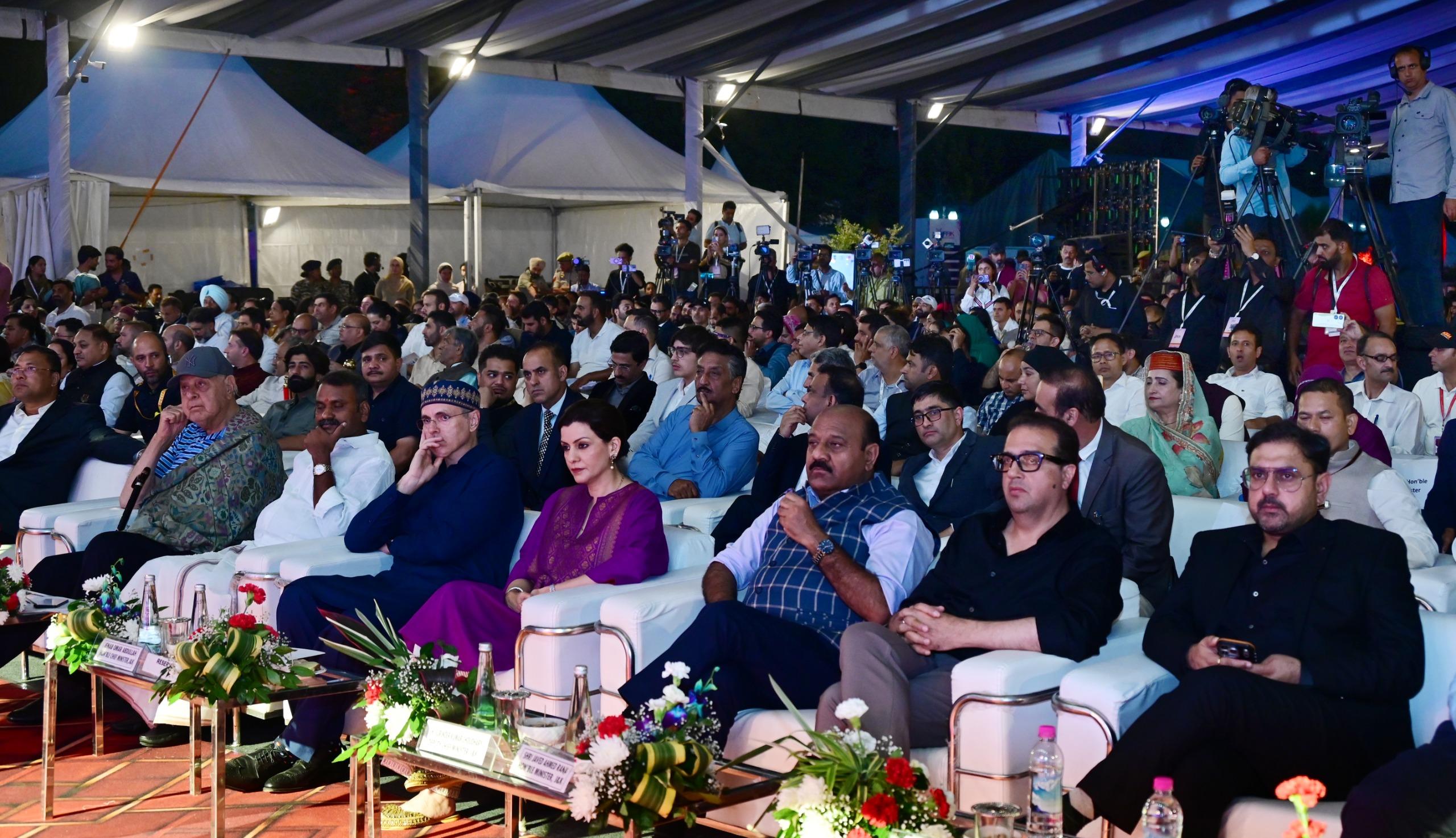
There is a kind of Jammu evening that no playlist can replace. The lights dim at Abhinav Theatre, a harmonium breathes its first note, and a hall full of strangers settles into the particular hush that only live ghazal can summon. The city's appetite for this music has never really faded; on any given month, a Shaam-e-Ghazal or a Dogri folk programme is filling a hall somewhere, and catching one is among the most quietly rewarding things you can do here after dark.
A living tradition, not a museum piece
What makes Jammu's music scene special is its range. A single evening's singer might move from a classical ghazal to a Dogri folk song to a Sufi composition without breaking stride, carrying the audience across moods and centuries in one sitting. Local artists have built real followings doing exactly this, presenting regional music with the kind of depth and feeling that keeps the older listeners nodding and the younger ones, often there for the first time, genuinely surprised by how much they feel. This is heritage that still draws a paying, present crowd, which is the only kind of heritage that truly survives.
Catching the next one
These evenings are easy to attend once you know where to look.
- Watch the venues. Abhinav Theatre and the city's cultural halls host music regularly; their notices and social pages are the best calendar.
- Follow the cultural bodies. Local arts and sangeet organisations announce folk and ghazal nights, and many are free or modestly priced.
- Go with an open ear. You do not need to know the ragas; let the voice carry you and the rest follows.
- Arrive early. Good seats and the full effect of the opening alaap both reward the punctual.
In a season crowded with festivals and exams, a quiet evening in a darkened hall, with a single voice climbing over a tabla, is the kind of break Jammu does best. The song has been part of this city's character for generations. The least we can do is keep showing up to hear it.