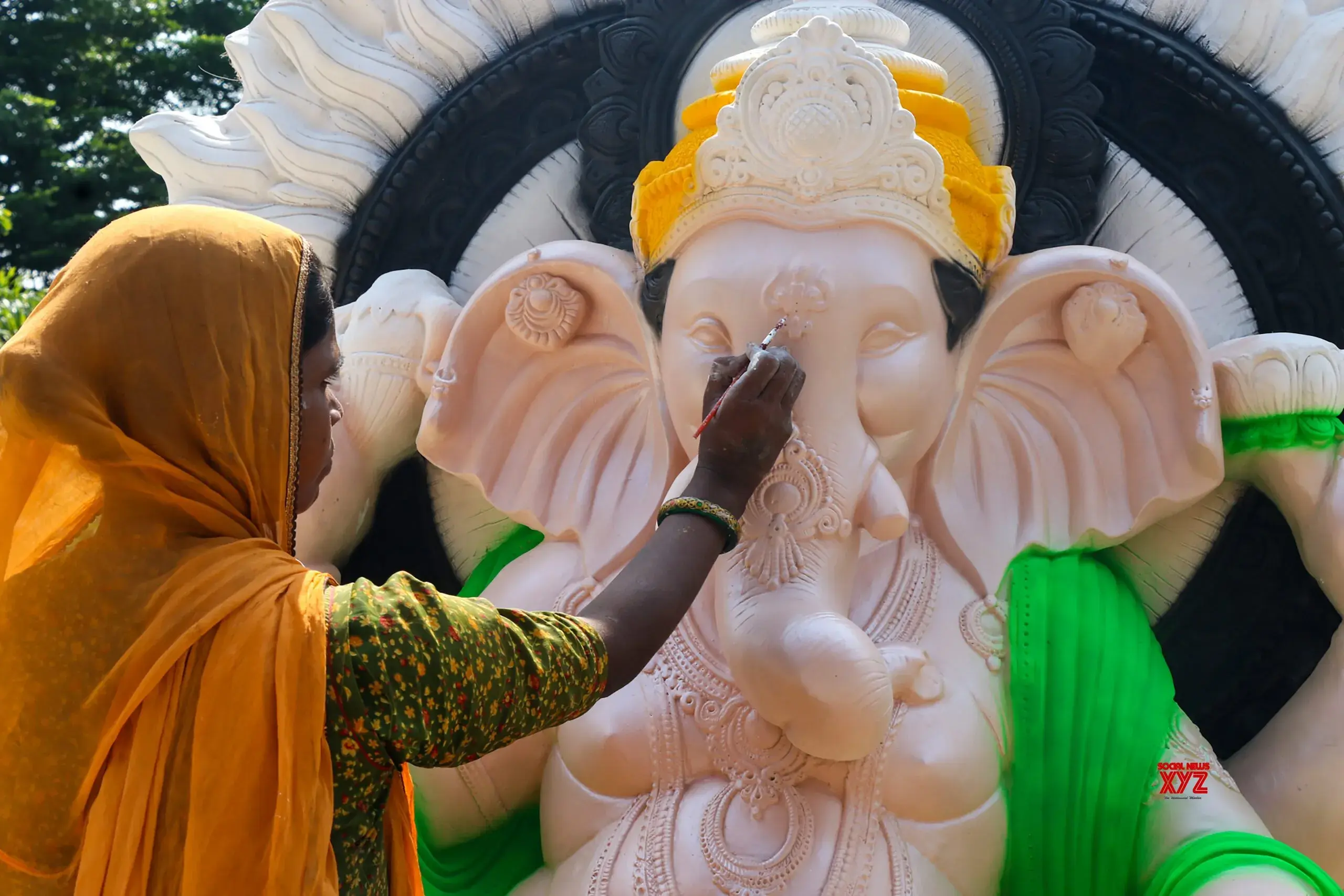
There is a particular morning in early March when Jammu wakes up smelling of gujiya frying somewhere downstairs and the air over the Tawi turns soft and almost sweet. That morning is Holi, and in 2026 it lands on Wednesday, 4 March, with Holika Dahan lit the evening before. For a few hours the usual map of the city dissolves: Gandhi Nagar lanes fill with water balloons, colony parks become open-air dance floors, and complete strangers smear gulal on your cheek and call you a brother. This is our guide to enjoying all of it well.
The night before: Holika Dahan
Holi properly begins on the evening of 3 March with Holika Dahan, the bonfire that marks the burning away of negativity and the symbolic win of good over evil. In Jammu the fires are neighbourhood affairs rather than grand spectacles. Look for them at colony crossings in Trikuta Nagar, Gandhi Nagar and the older mohallas near Raghunath Bazaar, where families circle the flame, drop in a few barley stalks and offerings, and stay back to chat in the cold. If you are new to the city, this is the gentler, quieter face of the festival, and a good way to meet your gali before the chaos of the morning. Carry a shawl; March nights in Jammu still bite, and the bonfire crowd lingers long after the flames settle into embers.
The ritual itself is unhurried. People circle the fire a few times, offer roasted grains and sometimes a coconut, and the older members narrate, for anyone young enough to be listening, the story of Prahlad and the demoness Holika that the night commemorates. In many Dogra households the women perform a small puja before the colony fire is lit, and neighbours who have not spoken in months find themselves standing shoulder to shoulder, faces lit orange, agreeing that the year has gone by too fast. It is, in its quiet way, the more meaningful half of the festival, and easy to miss if you sleep through it and arrive only for the colours the next morning.
Where the colour actually happens
Holi here is overwhelmingly a residential, community festival rather than a ticketed event, and that is its charm. The best colour play is wherever you are welcomed in, so the smartest move is to accept your colony or hostel invitation rather than chase a venue across town. University of Jammu and Cluster University hostels traditionally run their own boisterous mornings, and many housing societies in Trikuta Nagar and Gandhi Nagar organise a common milan with music, a colour free-for-all, and a long communal brunch afterwards. If you want a more managed celebration, several hotels and lounges around Residency Road and the bypass advertise rain-dance Holi parties each year; check their social pages closer to the date, confirm timings, and book ahead, because capacities are real and these fill fast.
A word on the river: the Tawi banks can look tempting for a post-Holi wash, but currents and footing are unpredictable in spring melt. Rinse off at home instead, and if you are organising a group, keep the youngest members away from the water entirely. For students living away from family, the hostel celebration is often the warmest option going, an instant adopted family for the morning, and many colonies are genuinely happy to fold in a few extra young faces if you ask a neighbour the day before. Holi in Jammu has never been a spectator sport; the whole design of it is to pull you off the balcony and into the lane.
Play smart: a survival checklist
Holi rewards a little preparation. A handful of habits will save your skin and your weekend.
- Oil up first. A coat of coconut or mustard oil on hair and exposed skin makes the colour rinse off far more easily. Old clothes you will not mourn are non-negotiable.
- Choose your colours kindly. Buy herbal or food-grade gulal where you can; the cheap industrial powders can sting eyes and irritate skin. Aim for the cheeks and forehead, never the eyes.
- Waterproof the electronics. A sealed plastic pouch for your phone, or simply leaving it at home, prevents the single most common Holi heartbreak.
- Consent is part of the fun. The whole spirit is bura na maano, but read the room. Not everyone wants to be drenched, and a quick nod before you reach for someone is what keeps Holi joyful rather than annoying.
- Hydrate, and watch the thandai. Spring sun plus hours of dancing dehydrates fast. If your thandai is the spiked variety, know what you are drinking and arrange a way home.
The food is half the festival
No Jammu Holi is complete without a plate that arrives uninvited and refuses to leave. Gujiya, the crescent pastry stuffed with khoya and dry fruit, is the undisputed star, trailed by mathri, namak pare, and trays of barfi. Many Dogra homes also lay out a hearty spring lunch once the colours wind down, and the open-door tradition means a wander through any festive colony usually ends with someone insisting you eat. If you are hosting, the bakeries and sweet shops of Raghunath Bazaar and Gandhi Nagar take Holi orders, so place yours a couple of days early to avoid the last-minute crush.
By early afternoon the colour fades, the music softens, and Jammu settles into the contented exhaustion that only a good festival brings. Spring is officially here, the gardens are about to bloom, and the city has reminded itself, once again, that it knows how to play. Happy Holi, Jammu.