Sixty per cent. That is the share of a pooled land parcel that stays with the pooling side - the landowners and the developer they partner with - under J&K's new Land Pooling Policy. The other forty per cent goes to the Development Authority.
The policy was notified through Government Order No. 172-JK(HUD) of 2026, dated 17 August 2026, by the Housing and Urban Development Department. It is the mechanism by which fragmented plots on the edges of Jammu and Srinagar can be assembled into something large enough to plan properly.
The numbers that define it
60% - retained by the Developer Entity or Consortium formed with the landowners
40% - to the Development Authority, earmarked for city-level physical infrastructure, recreation and public or semi-public facilities, in line with the Master Plan and Zonal Development Plans
70% - the minimum share of a contiguous area that must be pooled before a scheme can proceed
60 days - to form the Consortium, extendable by 30
6 months - to submit the scheme for approval after the Consortium forms; another 6 months for land handover after approval
3 years - to complete infrastructure and built-up development from taking possession
5 years - the overall cap, from the date the Consortium is formed
There is no minimum plot size. Land parcels of any size can participate, provided they fall inside a notified Development Organisation area and the 70 per cent threshold is met.
Who is allowed to build
Developer entities must hold a licence from the Development Authority and be registered promoters with J&K RERA - the regime governing what a promoter must disclose and how buyer money is handled. Disputes go through a two-stage grievance mechanism: 30 days before a Designated Land Pooling Officer, then 30 days before the Development Authority's Vice Chairman or CEO.
Why a 22-year-old in Jammu should care
Not because you are about to pool land. Almost nobody reading this is.
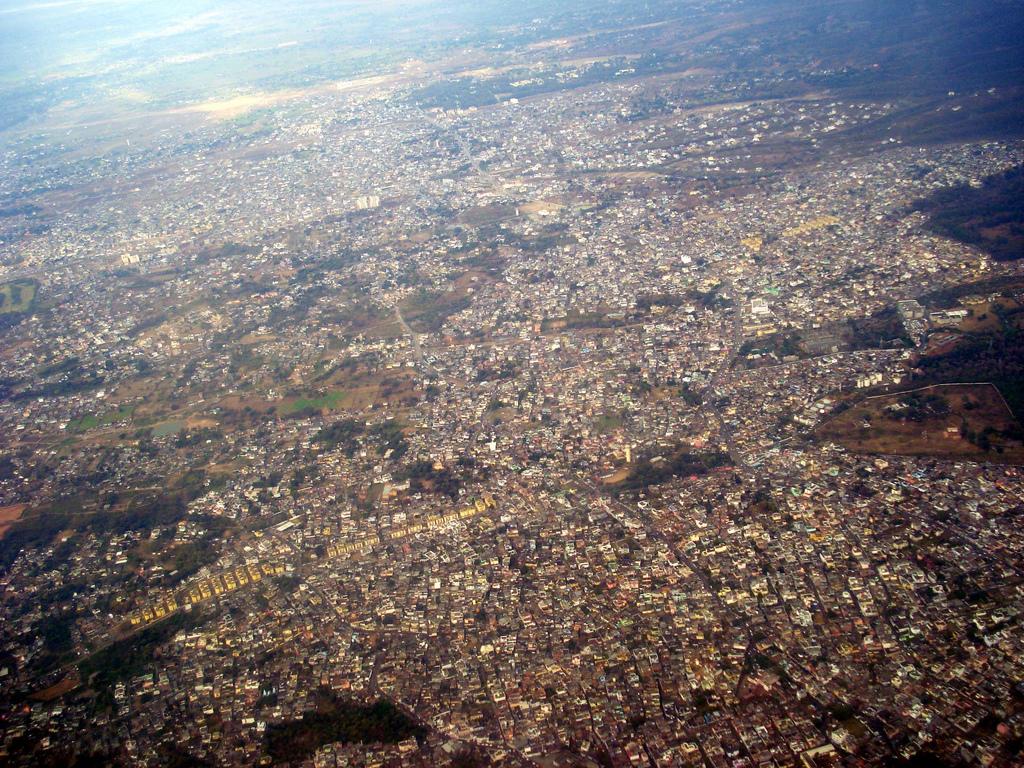
It matters because this is the rulebook for where Jammu's next housing stock comes from - and supply on the city's fringes is what eventually decides what a one-room rental near your college or your first job costs. Jammu has been expanding outward for years into land held in small, fragmented parcels, which is exactly the pattern that produces unplanned colonies with no drainage, no through-roads and no open space.
The forty per cent going to the Development Authority is earmarked for precisely the infrastructure and public space that gets skipped when land is developed plot by plot. Whether that happens in practice is a separate question - the five-year cap is the thing to hold the policy to.
And if your family owns land on the periphery: participation is voluntary, the threshold is 70 per cent of a contiguous area rather than unanimity, and the developer across the table must be RERA-registered and licensed. Check those three before anyone signs anything.
%2Fgreater-kashmir%2Fmedia%2Fmedia_files%2F2026%2F06%2F27%2Fgmc-jammu-2026-06-27-05-46-24.jpg&w=3840&q=75)