The story so far
As the cold sets in, J&K's own hydro stations are producing far less while demand climbs. We reported on 4 November that 330 MW more was due from the central pool from 1 December, and earlier on the winter plan in numbers.
What's new
The Northlines reported on 17 November, citing unnamed officials, that J&K and Ladakh face a projected December shortfall of 623 MW: peak availability of 3,190 MW against a requirement of 3,813 MW, a deficiency of nearly 16.3%. The same officials gave these figures:
- Actual 24-hour demand is 34,400 MWh, while availability fluctuates between 29,000 and 31,000 MWh, leaving a gap of nearly 4,400 MWh.
- On average, about 1,280 MW is available against a requirement of 1,435 MW, a deficiency of about 150 MW.
- Peak non-solar demand rose from 1,650 MW to 1,700 MW in a day.
- J&K-owned hydel projects are fluctuating between 250 and 280 MW; the report says generation from local projects has declined by nearly 80%.
What is not known
The figures come from unnamed officials and the report does not say how the 80% decline is measured or what baseline it uses. It also gives the past week's average local generation as both 250-280 MW and 270-300 MW. This is a projection, and the report does not say how the shortfall would be shared out, such as through scheduled cuts. We will update when an official schedule is published.
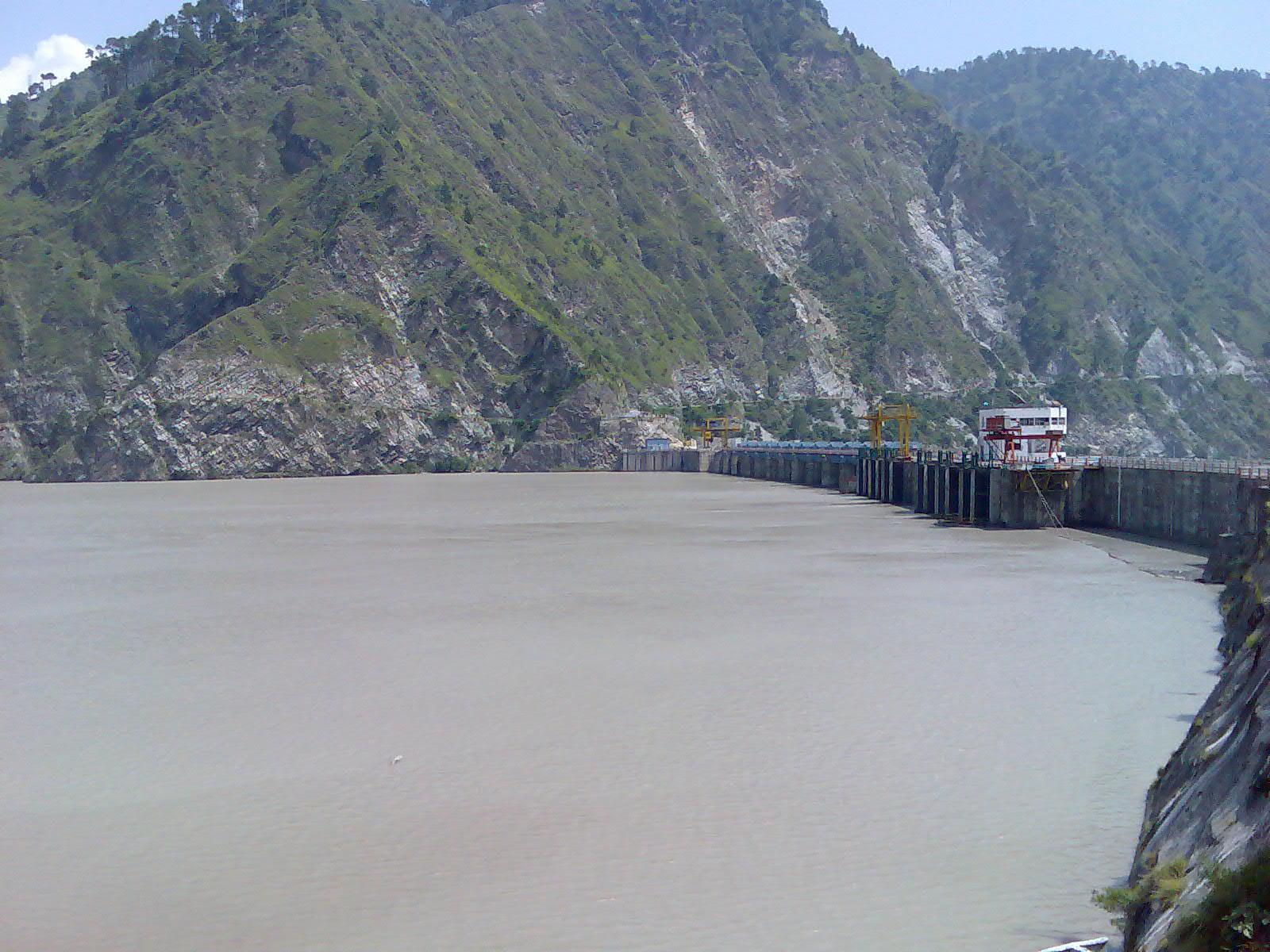
The picture above is a file photo of the Salal hydroelectric power station in Reasi district (Wikimedia Commons, public domain).
Source: The Northlines, "J&K, Ladakh face 623 MW power shortfall".