Fifty metres. That is the distance around every school gate in Jammu and Kashmir where food high in saturated fat, trans-fat, added sugar or sodium is not supposed to be advertised, sold or offered to students.
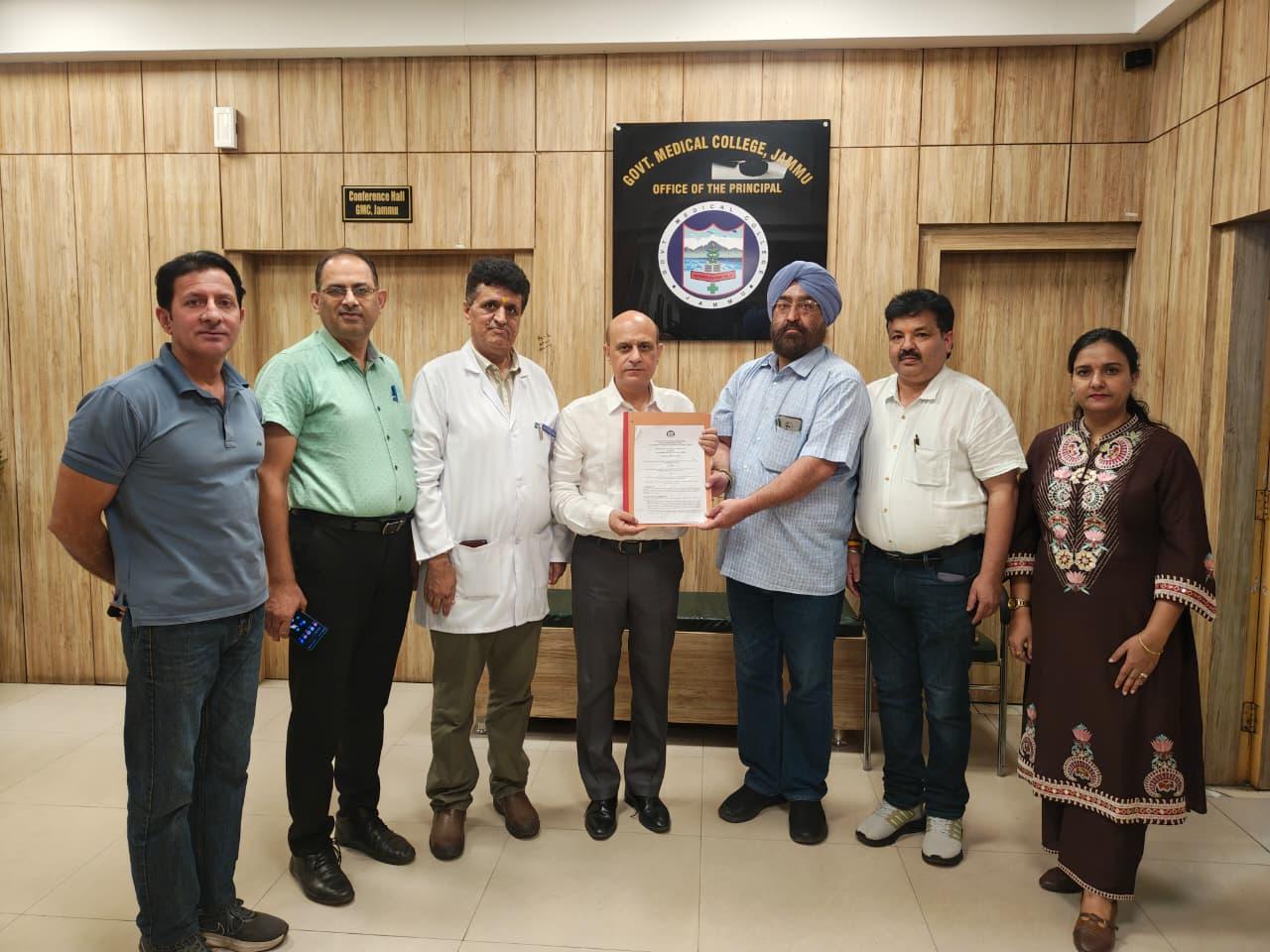
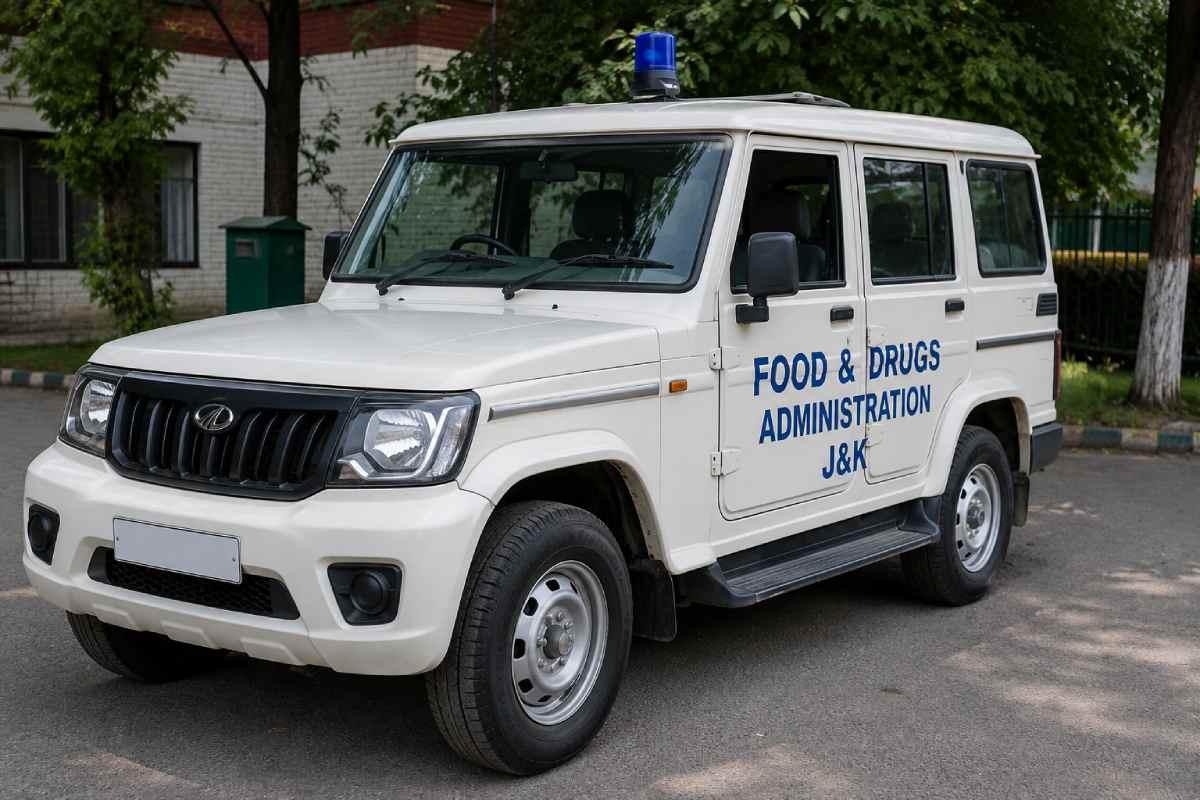
The rule itself is not new. It comes from the Food Safety and Standards (Safe Food and Balanced Diets for Children in School) Regulations, 2020. What changed on 27 August is the enforcement push: the J&K Food and Drugs Administration wrote to the Directors of School Education and asked for strict implementation across all government and private schools in the Union Territory.
What the 50-metre rule actually covers
The regulation is more precise than a blanket phrase such as “junk-food ban”. It targets food products high in saturated fat, trans-fat, added sugar or sodium. Schools must stop those products from being sold or distributed on campus, while sales, free offers and advertising aimed at schoolchildren are also restricted within 50 metres of the gate.
For a student, that means the rule does not end at the canteen counter. The immediate ring outside the campus is part of the food environment that school authorities and regulators are being told to address.
What should change inside the canteen
Any food business preparing or selling meals inside a school has to be registered or licensed under the Food Safety and Standards Act, 2006. It must also meet the prescribed sanitation and hygiene requirements, including the use of Food Safety Display Boards and trained Food Safety Supervisors where required.
Schools are expected to set meal times that encourage healthier eating habits and provide safe drinking water free of cost to every student. Principals, headmasters, governing bodies and other authorities responsible for a campus must maintain a system of regular inspection so that food premises remain hygienic and the food served is safe and balanced.
Who is supposed to watch compliance?
The rules provide for a Health and Wellness Ambassador or a Health and Wellness Team in a school to monitor the availability of safe and nutritious food. The FDA's communication puts the responsibility back on school authorities and the School Education Department to make that framework work in practice.
Students and parents can therefore look for visible signs of compliance rather than trying to guess what is happening behind a counter: whether the canteen operator displays its registration or licence, whether a food-safety board is up, whether clean drinking water is freely available and whether the school has a named health-and-wellness contact.
Why this matters now
The 2020 regulations already created the responsibilities. The new J&K direction is an instruction to enforce them across the school system. It does not announce a new deadline, penalty drive or inspection calendar, so schools and families should not invent one. The practical question from here is whether the prescribed checks become visible on campuses and around their gates.
Sources: Kashmir Life's report on the J&K FDA communication, JK Dastak's report on the same direction, and the Food Safety and Standards Authority of India's 2020 regulation summary.