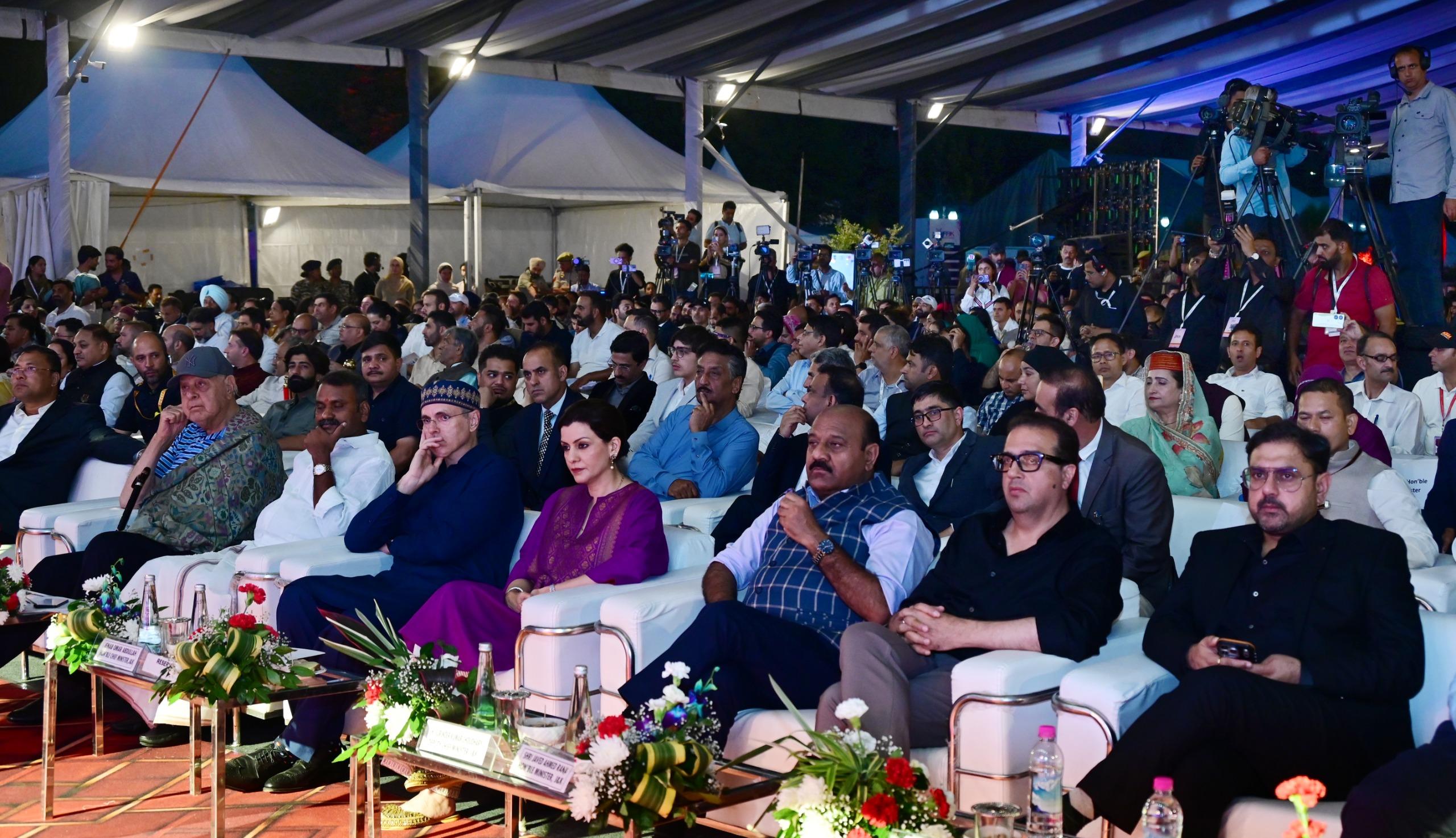
Long before playlists and earbuds, the Dogra hills made their own music — communal, loud, foot-stamping and tied to harvest, faith and festival. Early this June, a festival of traditional folk performances staged across the Reasi area, in the greater Jammu region, put those sounds back where they belong: in the open air, in front of a live crowd.
The living repertoire
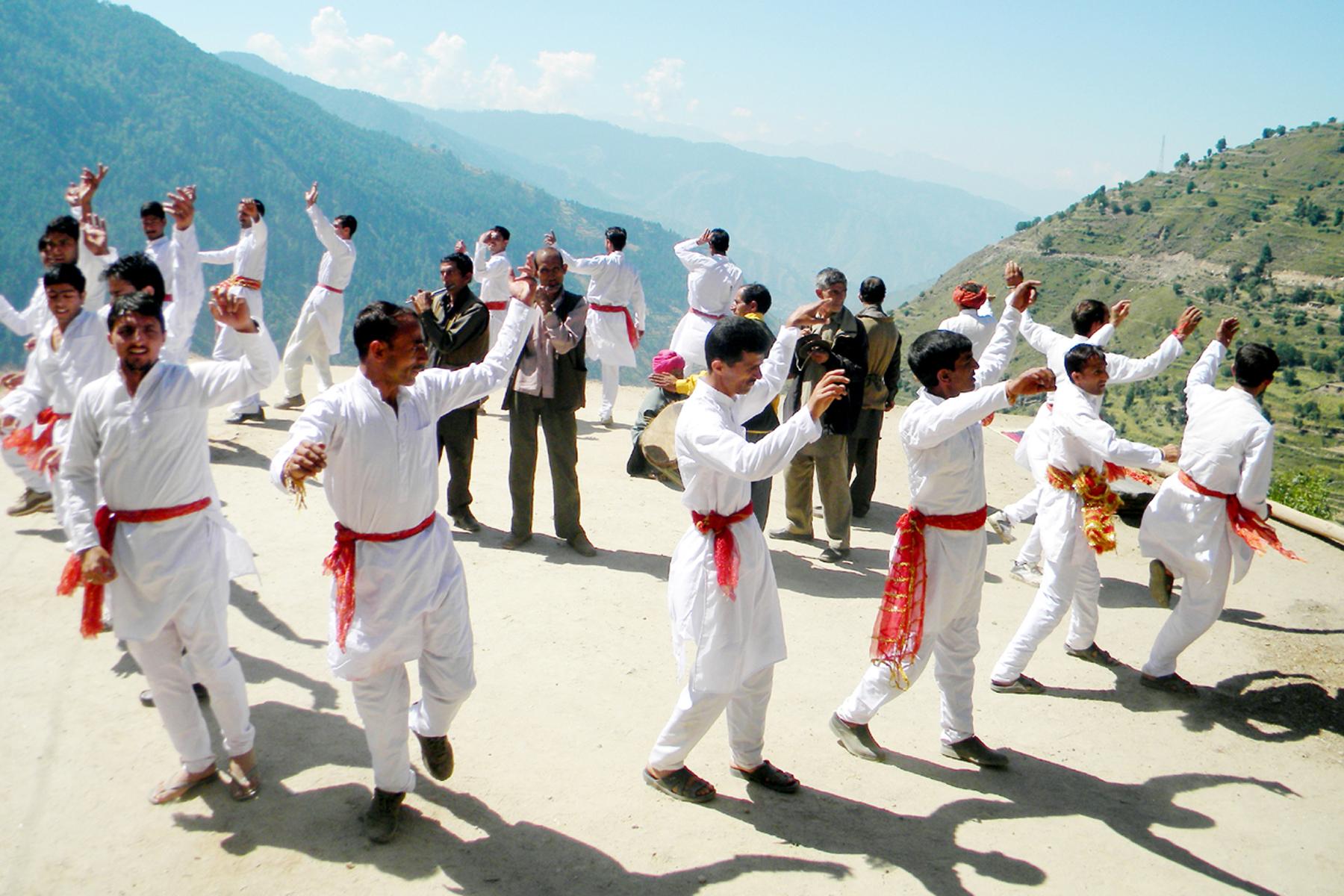
The programmes leaned on the genuine article — the energetic Kud dance performed in devotion to local deities, the lilting Geetru, and the traditional Dogri Bhaakh, alongside Gojri, Pahari and Punjabi items that map the cultural mix of the region. Named folk groups carried each form, the kind of performers who learned their craft by doing rather than from a syllabus, and whose presence is exactly what keeps these traditions from sliding into museum pieces.
Why it should matter to you
It is tempting for a young, plugged-in audience to file folk music under heritage and move on. That would be a mistake. These forms are not relics; they are a living archive of Dogra identity — the rhythms your grandparents danced to, still danced to, in real time. Supported by the culture ministry and driven by local performers, festivals like this are how an oral tradition survives a streaming age: by being performed, watched and passed on.
So the next time a Kud troupe sets up anywhere near you, do not scroll past. Stop, watch, and let the dhol do its work. The most modern thing a young Jammu audience can do for its oldest music is simply to show up and listen — because a tradition with no audience is just a memory waiting to happen.
Heritage tip: you do not need to know the steps. You only need to stay for the whole song.