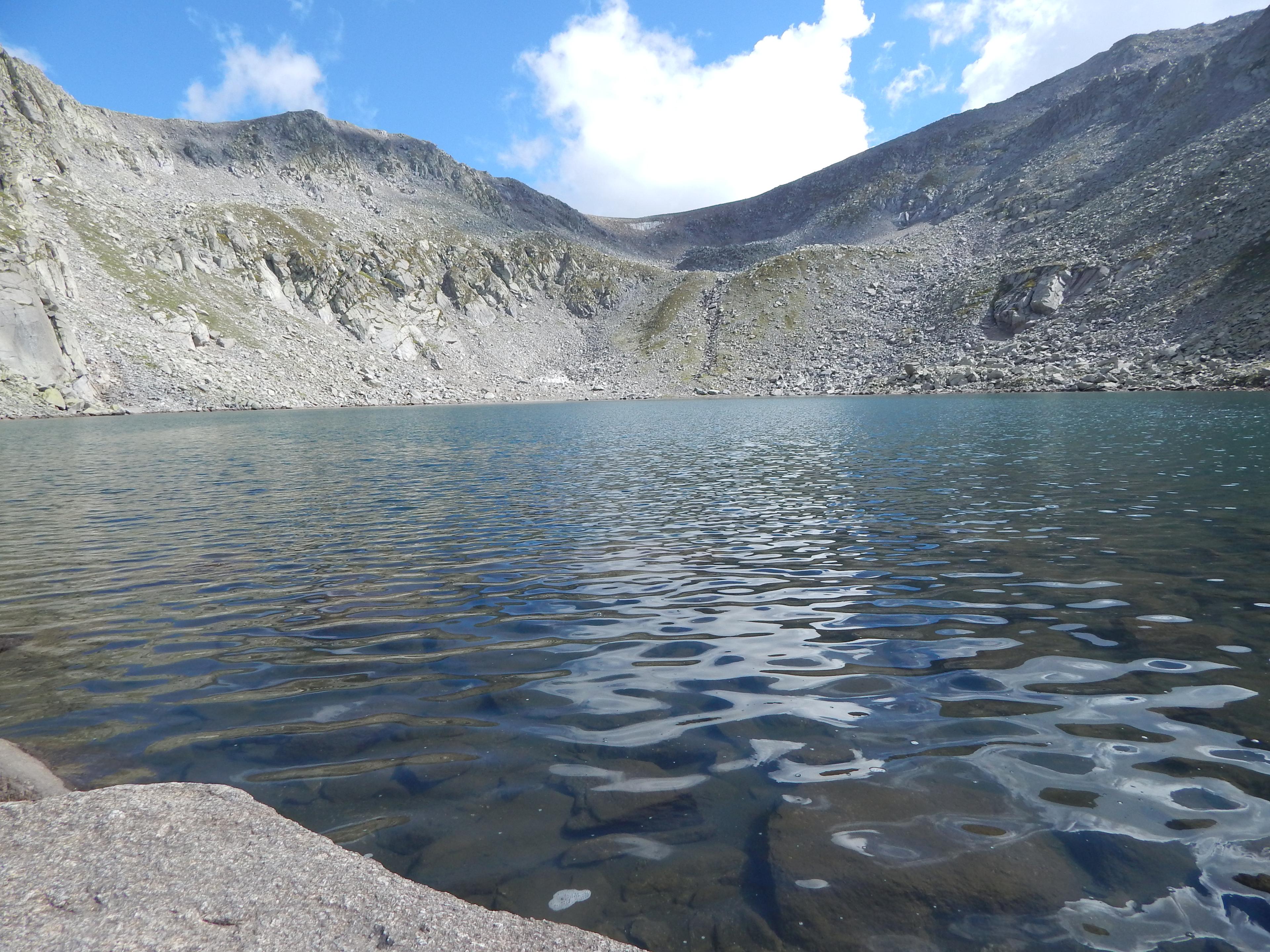
Tomorrow morning the Chhari Mubarak leaves the Vasuki Nag temple at Gatha, on the edge of Bhaderwah, and starts climbing. Three days later, at a glacial lake the district administration puts at around 14,500 feet, the pilgrims who have kept pace with it will strip to the cold and take a dip. The Kailash Yatra 2026 runs from 8 to 10 September, and the Additional District Magistrate of Bhaderwah has issued a public advisory that reads, in places, more like a mountaineering briefing than a festival notice.
It is one of the oldest fixed dates in the Jammu region's calendar — a walk to Kailash Kund that Bhaderwah has made every year in the month of Bhadon for as long as anyone has records — and one of the very few pilgrimages in the Union Territory that is, first and last, a high-altitude trek.
What actually happens
The yatra is dedicated to Vasuki Nag, Bhaderwah's presiding deity, and the story the town tells is of a serpent-god who fled up the valley to escape a fight with Garuda — both, in the telling, sons of the sage Kashyap. The procession retraces that flight. It sets out from the Gatha temple with drums and chants, climbs through Sungli to a night halt at Hayan near Nalthi, and on the second day crosses the high ground past Shankh Padhar, where a spring is said to have been struck by Vasuki himself, before dropping to the lake. Locals call the lake Kablas; the rituals and the holy bathing happen there, and the return to Bhaderwah begins the next day. Last year the Chhari left Gatha on 21 August, halted at Hayan and turned for home on the 22nd.
The 2026 window was set by the district administration back in August — a longer yatra season from 28 August to 10 September, with the Chhari procession itself on 8–10 September. The Bhaderwah Kailash Sewa Sangh Trust, which runs the pilgrimage, put its requirements to the administration, and departments were told to repair footpaths along the route, lay on drinking water, install about ten toilets at the Kund, arrange power and firewood, station medical teams and set up a permanent security post at the lake.
Who the administration says should not go
The advisory, issued on 6 September, is unusually blunt for a religious event, and it is worth taking at face value: this is a multi-day walk to nearly 4,400 metres with no road, no rescue helicopter on standby and weather that turns fast in September.
- Barred outright: anyone over 70 or under 14, people with serious illnesses, pregnant women, and nursing mothers with infants.
- Banned on the route: intoxicants, narcotics, alcohol, caffeinated drinks and tobacco products. Single-use plastic is prohibited.
- Required: physical fitness for the climb, a valid identity proof, an early start each day, and attention to India Meteorological Department bulletins.
- Rules on the hill: stay on the designated track — no shortcuts — and keep drinking water. Anyone with symptoms of altitude sickness (headache, nausea, breathlessness) is told to descend immediately and seek medical help.
Pilgrims in difficulty can reach the Tehsildars, police, Block Development Officers, the Medical Officer, forest officials or the Station House Officer, Bhaderwah. The caution has history behind it: in 2025 the number of yatris was deliberately limited after cloudbursts and bad weather in the area.
Should a Jammu reader go?
Not this year, unless you are already in Bhaderwah with the fitness and the kit. Bhaderwah is about 200 km from Jammu — a six-hour-plus drive — and the yatra starts tomorrow. Treat this one as a date to watch rather than a trip to join at short notice. But the lake itself is a different matter. Sources disagree on its exact altitude (figures run from about 12,900 feet to the administration's 14,500), which tells you how little it has been surveyed for tourists; trekking groups now sell the Seoj Dhar–Kailash Kund route as a two-to-three-day walk from the Chattergalla side, and the post-monsoon weeks after the yatra, when the meadows are still green and the sky has cleared, are the sensible time for a first attempt. If you have only done Patnitop and Sanasar, our Bhaderwah weekend guide is the gentler starting point.
What makes the Kailash Yatra worth knowing about, even from a distance, is that it is a living piece of the region's culture that has not been packaged. No ticket, no ropeway, no VIP darshan — just a town, a serpent-god and a mountain lake, and a procession that has walked between them for centuries. That the state's main contribution this year is toilets, footpaths and a plainly worded warning is, honestly, the right kind of contribution.
Sources: Rising Kashmir, 7 September 2026 (the ADM Bhaderwah advisory: dates, altitude, restrictions, contacts); JK Monitor, August 2026 (yatra window, Chhari dates, Kailash Sewa Sangh Trust, arrangements); Kashmir Thunder, 2 September 2026 (civic arrangements review); All India Radio, 21 August 2025 (last year's route, night halt and weather restrictions); Bhaderwah.com (the legend, the traditional route and the Bhadon timing).
