"This Policy shall move to law within one year." That line sits at the centre of the draft Jammu and Kashmir Sustainable Mountain Development Policy 2026, dated 12 October, which Greater Kashmir reported on 9 November. For anyone in Jammu who works in, travels to or builds near the hills, from Patnitop to Bhaderwah, it describes how rules on construction and tourism could change.
How would it work?
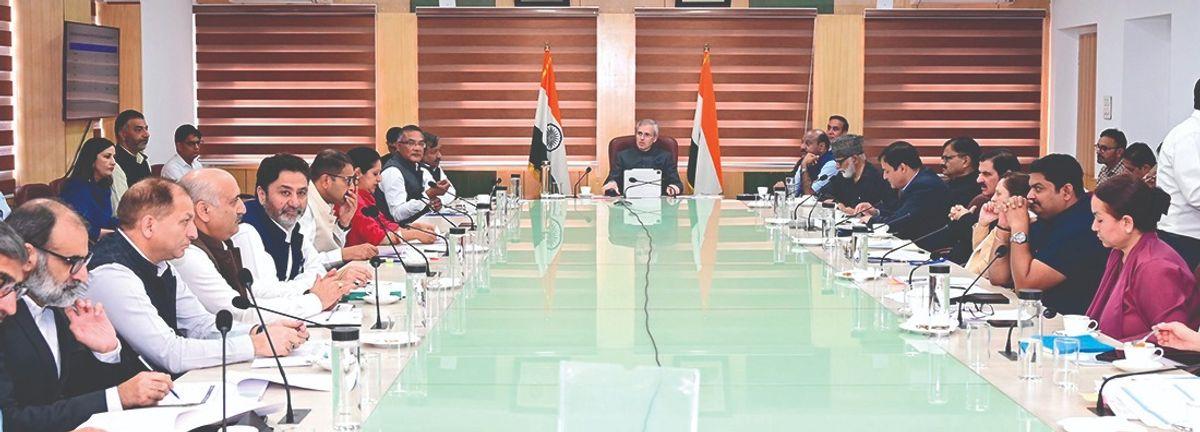
- A Council headed by the Chief Minister would give policy direction and resolve disputes between departments.
- A Mountain Development Authority would be the executive arm: notifying mountain sensitivity zones, setting carrying-capacity limits and implementing a proposed Mountain Building Code.
- An enforcement wing inside the Authority could inspect, fine, seal and order restoration. Fines would be graded and rise for repeat violations; restoration costs would be recovered from those responsible.
- A Mountain Knowledge Centre at the Faculty of Forestry and Environment, SKUAST-Kashmir, would do carrying-capacity studies and sensitivity mapping.
Who pays, and who watches?
A non-lapsable Mountain Green Fund would draw on a green cess, trekking and expedition fees, penalties, contributions from departments and Shrine Boards, CSR and climate funding. Cess collected at a destination would have to be spent there, with site-wise accounts on a public dashboard and annual audits. Satellite and drone monitoring would cover construction, road cutting, muck dumping and encroachment in Zones A and B, citizens could report violations with photographs, and officials who grant permissions in breach of the policy would face disciplinary action.
What happens next, according to the draft
A J&K Sustainable Mountain Development Act is envisaged within 12 months of approval, covering the Authority, sensitivity zones, the green cess, a dedicated fund and penalties. Departments would prepare guidelines and action plans within six months of notification. The tourism section mentions visitor limits and a proposed "J&K Mountain Pass".
What is not yet known
The report does not say how or until when the public can comment, and the draft has not been described as approved. SKUAST-Kashmir prepared it with the Integrated Mountain Initiative, New Delhi, and reviewers included ICFRE and the G.B. Pant National Institute of Himalayan Environment. In the report's words, a policy without legal teeth "becomes a document on a shelf", which is why the one-year law timeline is the detail to watch.
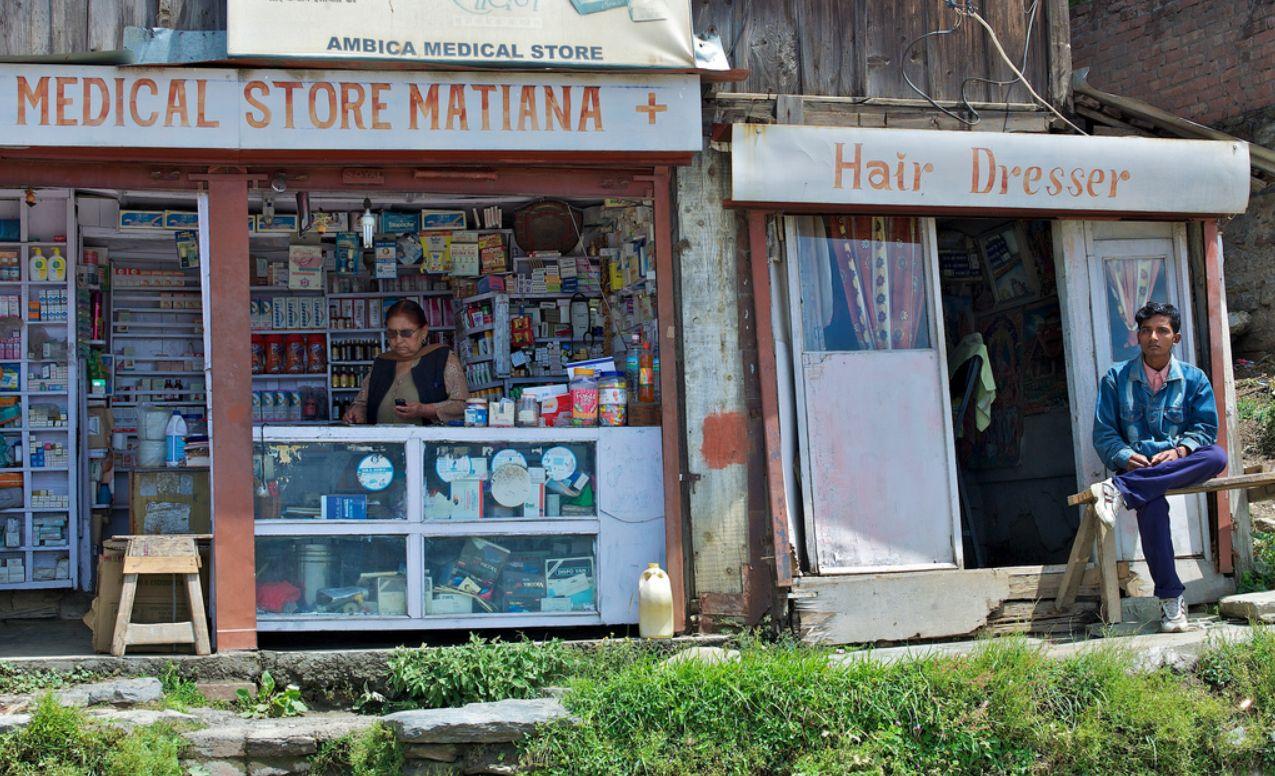
Sources: Greater Kashmir, 9 November 2026; photo: Wikimedia Commons (file photo).