The dream of connecting Kashmir to the rest of India via an all-weather railway network has been a long-standing aspiration, dating back over a century. Today, as the Udhampur-Srinagar-Baramulla Rail Link (USBRL) nears full operational status, the focus often lands on the engineering marvels involved. However, for the city of Jammu and its surrounding districts, this rail link represents a fundamental shift in regional dynamics—transforming the winter capital from a mere transit halt into a critical logistical and economic hub.
The Engineering Feat
To understand the impact, one must first appreciate the scale of the achievement. The project, declared a "National Project" in 2002, has navigated some of the most treacherous terrain in the Himalayas. The crown jewel is undoubtedly the Chenab Bridge in Reasi district. Standing 359 meters above the riverbed, it is the world's highest railway bridge—taller than the Eiffel Tower.
But beyond the height, it’s the connectivity that matters. The 111-km stretch between Katra and Banihal has been the most challenging, involving dozens of tunnels and bridges. Its completion bridges the final gap, allowing a train to run uninterrupted from Kanyakumari to Baramulla.
Economic Impact for Jammu
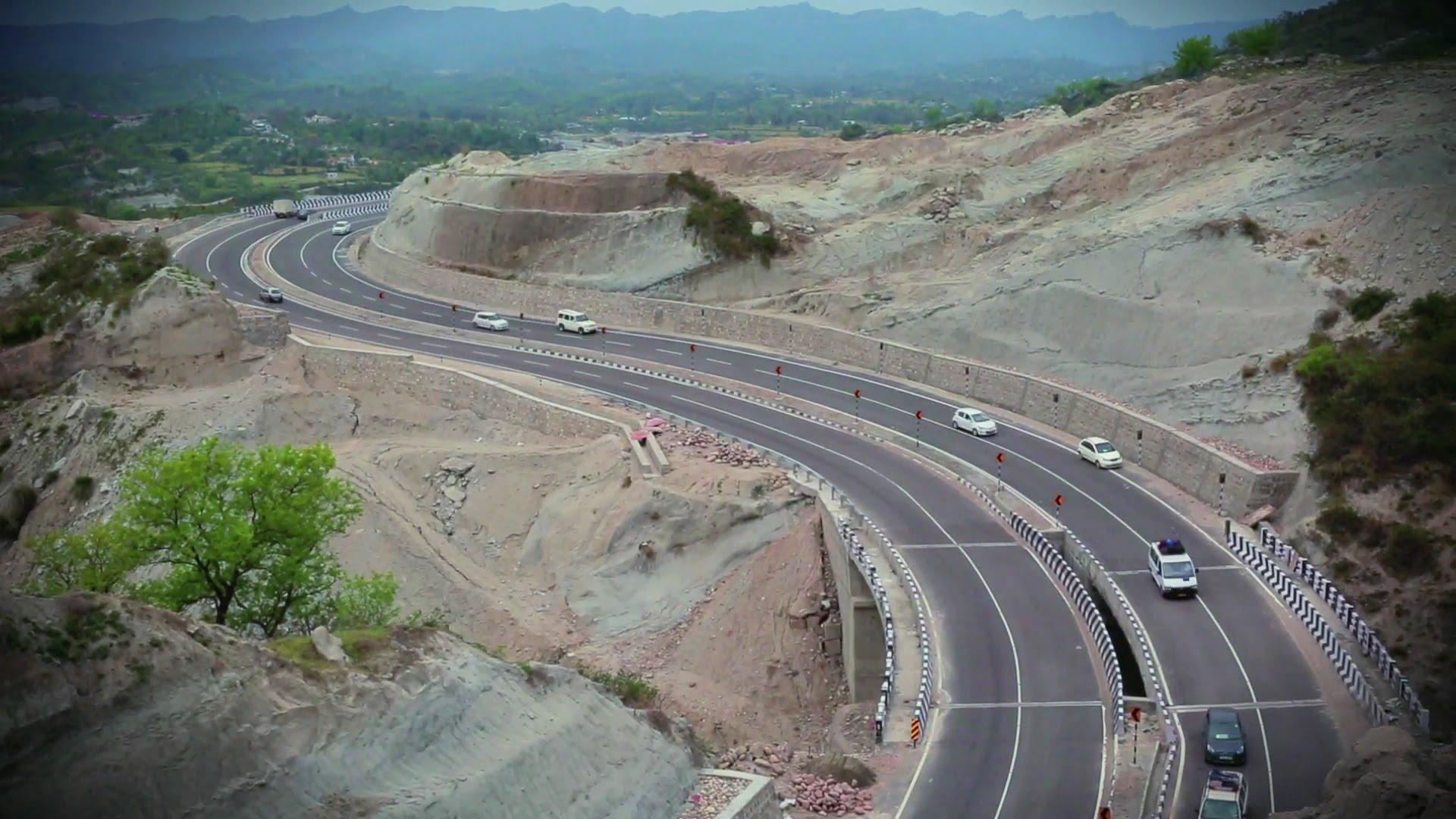
For decades, Jammu has served as the primary gateway to the Kashmir Valley. Trucks carrying essential supplies would clog the Jammu-Srinagar National Highway (NH-44), often stranded for days due to landslides or snowfall.
With the railway, the logistics landscape changes overnight.
- Freight Efficiency: Goods can now be transported faster and cheaper. Local businesses in Jammu's Ware House and Nehru Market anticipate a shift in how they distribute stock. The reliance on costly road transport will decrease, potentially stabilizing prices for essential commodities in both regions.
- New Trade Routes: Jammu is poised to become a major consolidation center. Products from the plains will arrive by rail to be distributed to the hills, while Kashmiri produce—apples, handicrafts, and saffron—will find a faster route to markets in Delhi and Mumbai via Jammu.
Tourism 2.0: Beyond the Highway
Currently, most tourists rush through Jammu to get to Katra or drive straight to Kashmir. The train offers a chance to slow down and explore the intermediate stations.
- Reasi & Sangaldan: These stations are not just stops; they are destinations. The view from the train as it crosses the Chenab Bridge is set to become a tourist attraction in itself.
- Weekend Tourism: For Jammu residents, the cool climes of Banihal and Qazigund will become accessible for day trips or weekend getaways, reducing the pressure on Patnitop.