%2Frising-kashmir%2Fmedia%2Fmedia_files%2Fwp-content%2Fuploads%2F2026%2F06%2Fimages-1-1.jpeg&w=3840&q=75)
For years, the question that follows almost every promising young athlete in Jammu has been the same: what happens after the medals? Trophies look great on a shelf, but they don't pay rent. That quiet anxiety is exactly what makes this month's announcement land so hard. The Jammu & Kashmir government has cleared 223 sportspersons for appointment to government jobs under the sports quota — gazetted and non-gazetted posts alike — turning years of early-morning training into something a young player can actually build a life on.
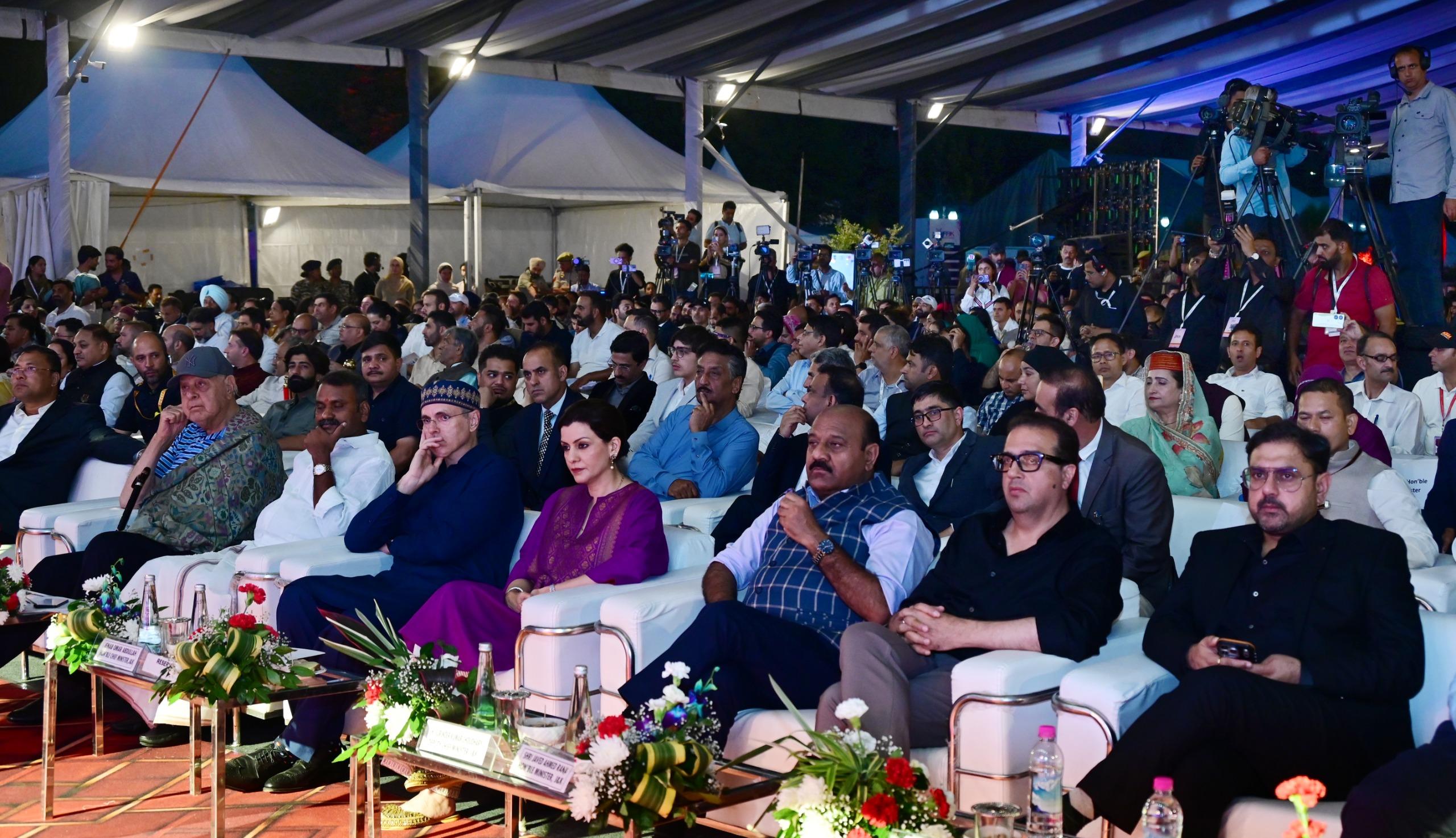
Youth Services & Sports Minister Satish Sharma announced the selection in mid-June, calling it “a massive milestone” and framing sport as “a serious pursuit of character, opportunity, and nation-building.” Lieutenant Governor Manoj Sinha congratulated the appointees, saying their “achievements, dedication and hard work have brought glory to J&K and the nation.” The formal appointment orders are set to be handed over by Chief Minister Omar Abdullah.
Why this matters if you play
Across India, the sports quota is one of the few mechanisms that treats athletic excellence as a genuine qualification — not a hobby that competes with “real” study. In J&K, recruitment of outstanding sportspersons against reserved government posts (under the SO-12 sports-quota framework) is meant to do exactly that: give a high-level player a stable salary, a pension track, and the security to keep competing instead of quietly retiring at 24 to chase a desk job they never trained for.
The 223 names cut across a striking range of disciplines — shooting, kayaking & canoeing, taekwondo, gymnastics, chess, weightlifting, cycling and skiing, among others. These are athletes who have represented India and J&K at international and national championships; the list even includes Olympians such as shooter Chain Singh. The spread matters: it signals that the door isn't only open to cricketers and footballers, but to the quieter, under-funded sports where Jammu's young players often grind for years with little visibility.
The bigger message for Jammu's grounds and academies
Walk past the M.A. Stadium, the shooting ranges, or any of the city's wrestling akharas and you'll find the same thing: talented teenagers whose parents worry that sport is a detour, not a destination. A batch this size — 223 confirmed government appointments — is the most concrete counter-argument that argument has had in a while. It tells a 17-year-old in Gandhi Nagar or Bishnah that consistent national-level performance is not a dead end; it can be the entry on a job form that gets them hired.
It also changes the incentives for families and coaches. When a clear pathway exists — perform, get ranked, qualify under the quota — clubs and academies have a reason to invest in long-term athlete development rather than one-season glory. That is how sporting ecosystems actually deepen: not through one festival, but through the belief that the grind pays off in a salary slip.
A process that wasn't without friction
To be straight about it, the rollout hasn't been entirely smooth. As the selection list went public, questions were raised in some quarters about how candidates were shortlisted. In late June, several of the selected athletes themselves came forward to defend the list and reject the allegations, insisting their selections were earned on the strength of documented national and international performances. Scrutiny of any large public-sector recruitment is healthy — and the athletes pushing back publicly is, in its own way, a sign that they expect the process to hold up.
For young aspirants watching, the practical takeaway is unglamorous but vital: keep your paperwork airtight. Certificates from recognised national and international championships, federation records, and participation documents are what convert raw talent into an eligible application. The athletes who made this list are, almost without exception, the ones who treated their competition record like the asset it is.
What to do if you want to be on the next list
Compete at recognised events. Sports-quota eligibility leans on results at national and international championships sanctioned by the relevant federations — not local friendlies.
Document everything. Save every merit certificate, ranking record and selection letter. A medal you can't prove on paper is a medal that won't count.
Track official notifications. Sports-quota recruitment opens against specific posts; watch announcements from the Department of Youth Services & Sports and the recruiting agencies rather than relying on rumour.
Don't drop the sport to chase the job. The whole point of the quota is that your sport is the qualification. Stay in form.
For a generation of Jammu's young players who grew up being told to “have a backup plan,” this batch of 223 is a small but real proof that the plan and the passion can finally be the same thing. The medals, it turns out, can pay the rent after all.
Sources: The Tribune, Greater Kashmir, Rising Kashmir, Kashmir Reader, Daily Excelsior.